

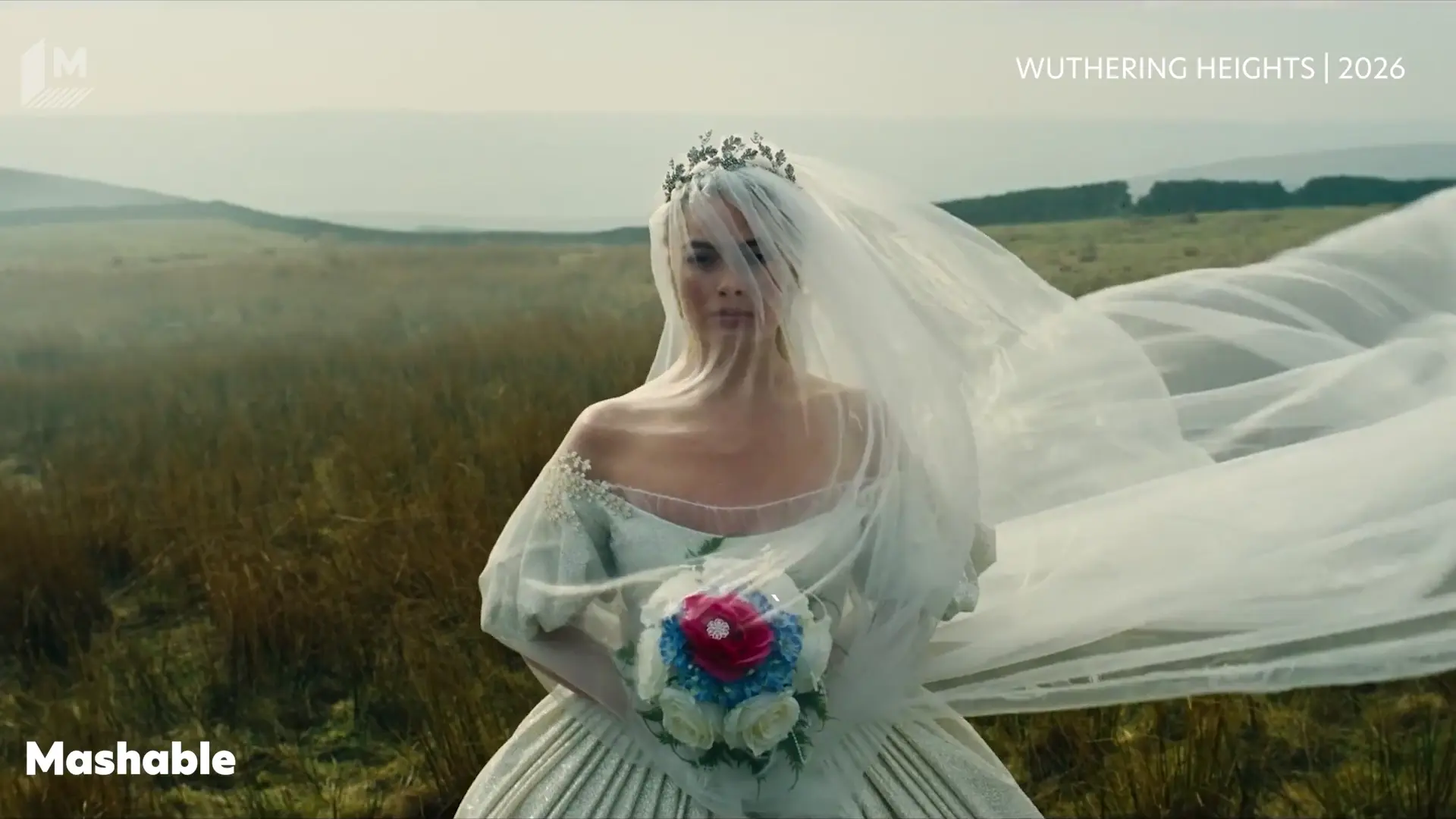
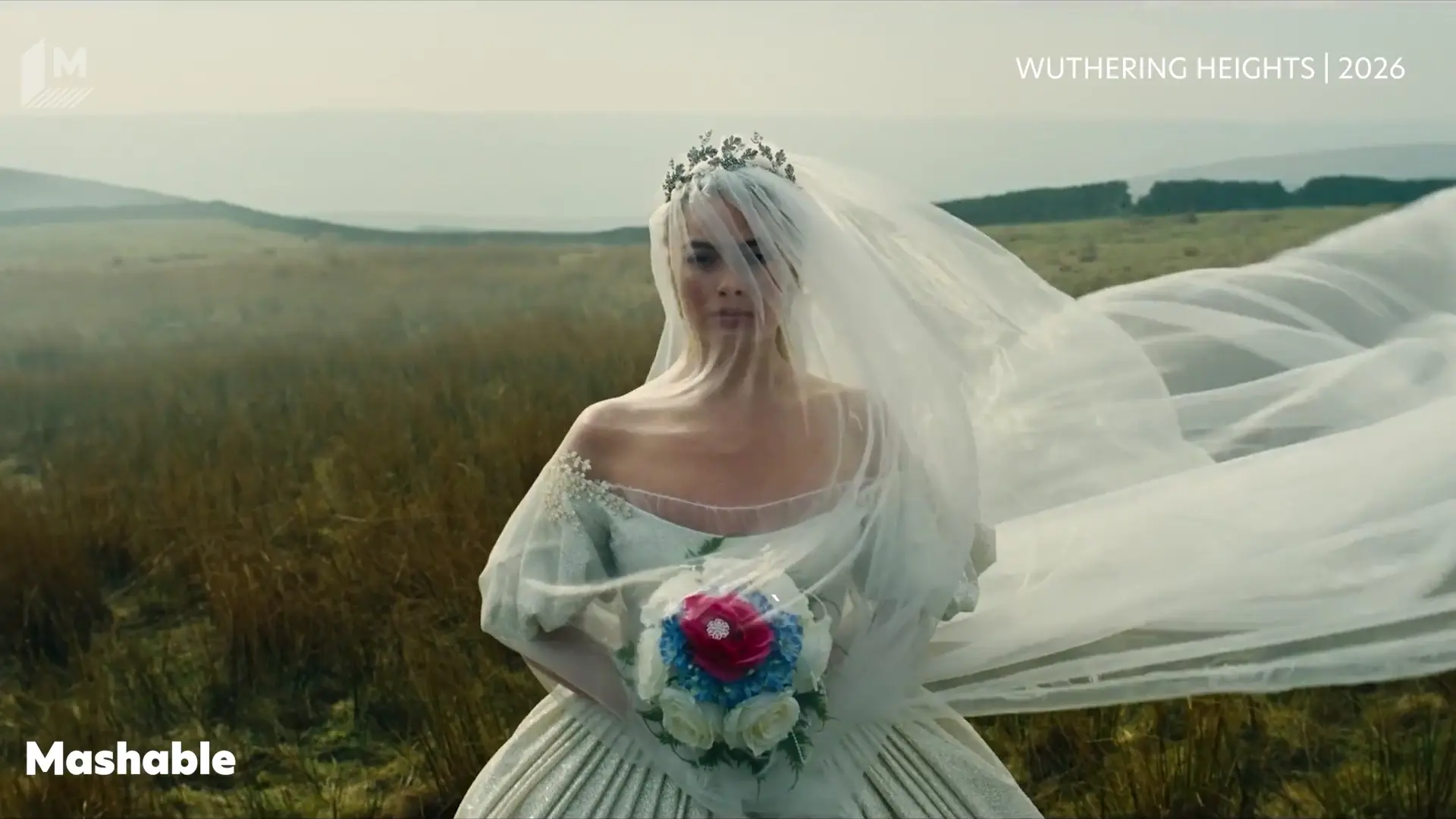
As filmmakers prepare new cinematic takes on Emily Brontë’s legendary 1847 Gothic novel Wuthering Heights this season, directors worldwide struggle to capture the book’s toxic obsession and bleak Yorkshire moors because they repeatedly mistake its dark, destructive cycle for a traditional Hollywood love story.
The Core Challenge: Obsession Versus Romance
The primary pitfall for screenwriters adapting Brontë’s masterpiece is the temptation to romanticize the central relationship. Catherine Earnshaw and Heathcliff are not Romeo and Juliet. Their bond is codependent, vengeful, and ultimately ruinous to everyone around them. When an adaptation sanitizes Heathcliff into a misunderstood, brooding hero and Catherine into a tragic damsel, it strips the narrative of its visceral, psychological horror.
A successful adaptation must embrace the discomfort of the source material. The characters are cruel, selfish, and driven by a primal connection that transcends social norms and even death itself. Softening these edges to appeal to modern romantic sensibilities dilutes the very essence of what makes the novel enduring.
Essential Elements of a Faithful Adaptation
1. Capturing the Brutal Yorkshire Landscape
The Yorkshire moors are not merely a backdrop; they function as an active character in the story. The harsh, wind-swept, and unforgiving climate mirrors the internal turbulence of the characters. Directors must utilize cinematography that emphasizes isolation, wildness, and the oppressive atmosphere of the estates—Wuthering Heights and Thrushcross Grange—to establish the story’s unique Gothic tone.
2. Embracing the Unlikable Protagonists
Audiences do not need to agree with Catherine and Heathcliff’s actions, but they must understand the depth of their damage. Castings must prioritize actors who can convey intense volatility and raw vulnerability. Striking a balance between monstrous behavior and pathetic suffering is critical to keeping the audience engaged without alienating them.
3. Navigating the Multi-Generational Structure
Many film versions completely excise the second half of the novel, which focuses on the children of the original characters. While cutting this section simplifies the narrative for a two-hour runtime, it removes the crucial theme of generational trauma and the ultimate possibility of redemption and peace. A truly great adaptation finds a way to honor this cyclical structure, showing how the sins of the parents haunt the next generation.
How Past Adaptations Measure Up
Historically, screen versions have struggled to balance these elements. The classic 1939 film starring Laurence Olivier and Merle Oberon offers high-tier melodrama but cuts the second generation entirely and heavily romanticizes the plot. Conversely, Andrea Arnold’s 2011 gritty, atmospheric version focused intensely on realism and nature but polarized audiences with its minimalist dialogue and raw style.
To truly succeed, future directors must walk the fine line between the novel’s poetic Gothicism and its harsh, unyielding reality, proving that the best literary adaptations are those unafraid of their own darkness.