

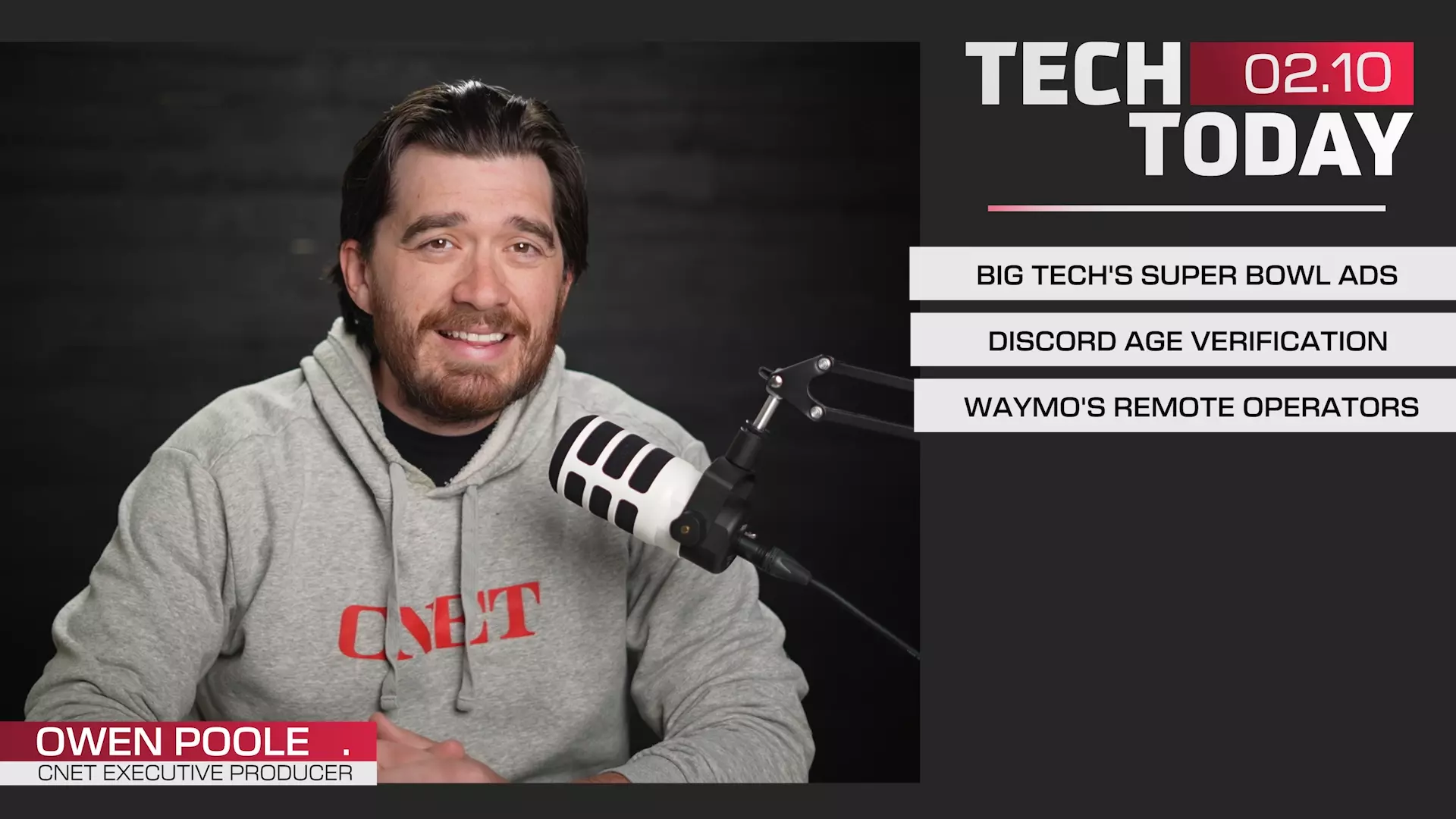
On February 10, 2026, major tech giants dominated global headlines as Super Bowl advertising campaigns launched, Discord enforced strict new age verification protocols, and Waymo exposed the critical role of its remote human operators.
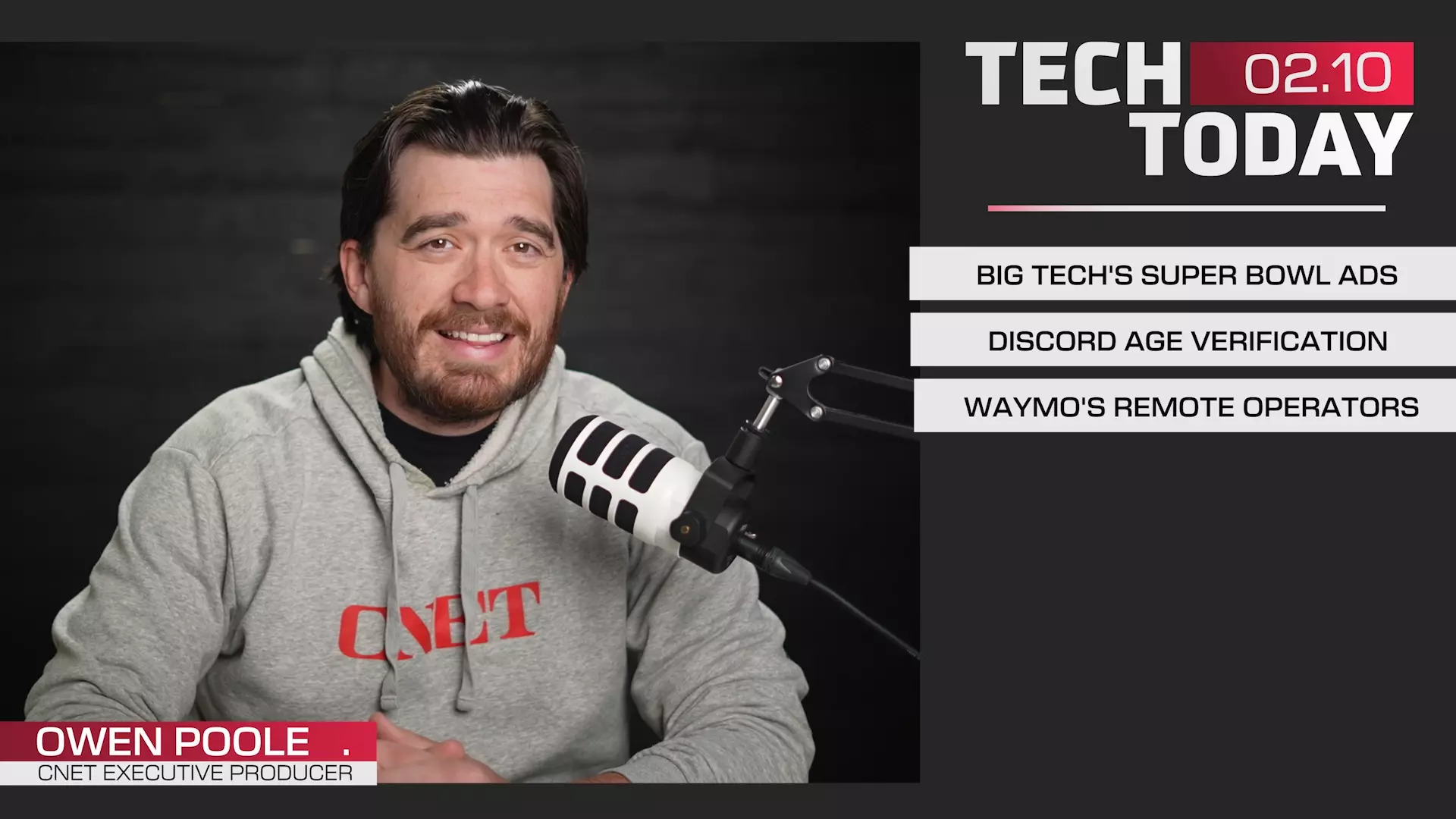
Silicon Valley Dominates the Super Bowl Airwaves
The biggest sporting event of the year doubled as a massive battleground for tech industry dominance. Silicon Valley poured record-breaking millions into high-profile commercial slots, pivoting away from traditional product showcases to focus heavily on consumer-facing artificial intelligence, software ecosystems, and next-generation hardware.
The AI Marketing Blitz
Industry giants leveraged humor and celebrity cameos to normalize advanced AI assistants, aiming to convert skeptical mainstream viewers into daily active users. Rather than showcasing technical specifications, these advertisements focused on daily convenience, creative assistance, and accessibility, signaling a shift in how tech conglomerates plan to market machine learning to the general public throughout the year.
Discord Implements Strict Age Verification Controls
Social platform Discord is rolling out robust age-verification mechanisms to secure its digital spaces. Under intense pressure from global regulators demanding safer online environments for children, the platform now requires stricter proof of age for users accessing sensitive or mature servers.
Privacy Concerns and Implementation
The safety update has sparked intense debates among privacy advocates regarding how user data and biometric scans will be stored and secured. Discord faces the complex challenge of balancing compliance with strict international child safety laws while maintaining user trust and data privacy on a platform historically known for pseudonymity.
Behind the Scenes: Waymo’s Remote Vehicle Operators
Autonomous vehicle pioneer Waymo is shedding light on the human element behind its driverless fleet. Despite the “autonomous” label, Waymo relies on a sophisticated network of remote operators to ensure passenger safety and navigate complex urban environments.
The Human Safety Net in Autonomous Driving
These human technicians do not drive the cars with joysticks; instead, they provide real-time guidance and path planning when vehicles encounter unpredictable road hazards, construction zones, or unusual police hand signals. This hybrid approach highlights the ongoing necessity of human-in-the-loop systems to bridge the gap between current artificial intelligence capabilities and true level-five autonomy.