

Splitting the national debt bill with Uncle Sam is unrealistic — and a waste of your hard-earned cash.
Douglas Rissing/Getty Images/CNET
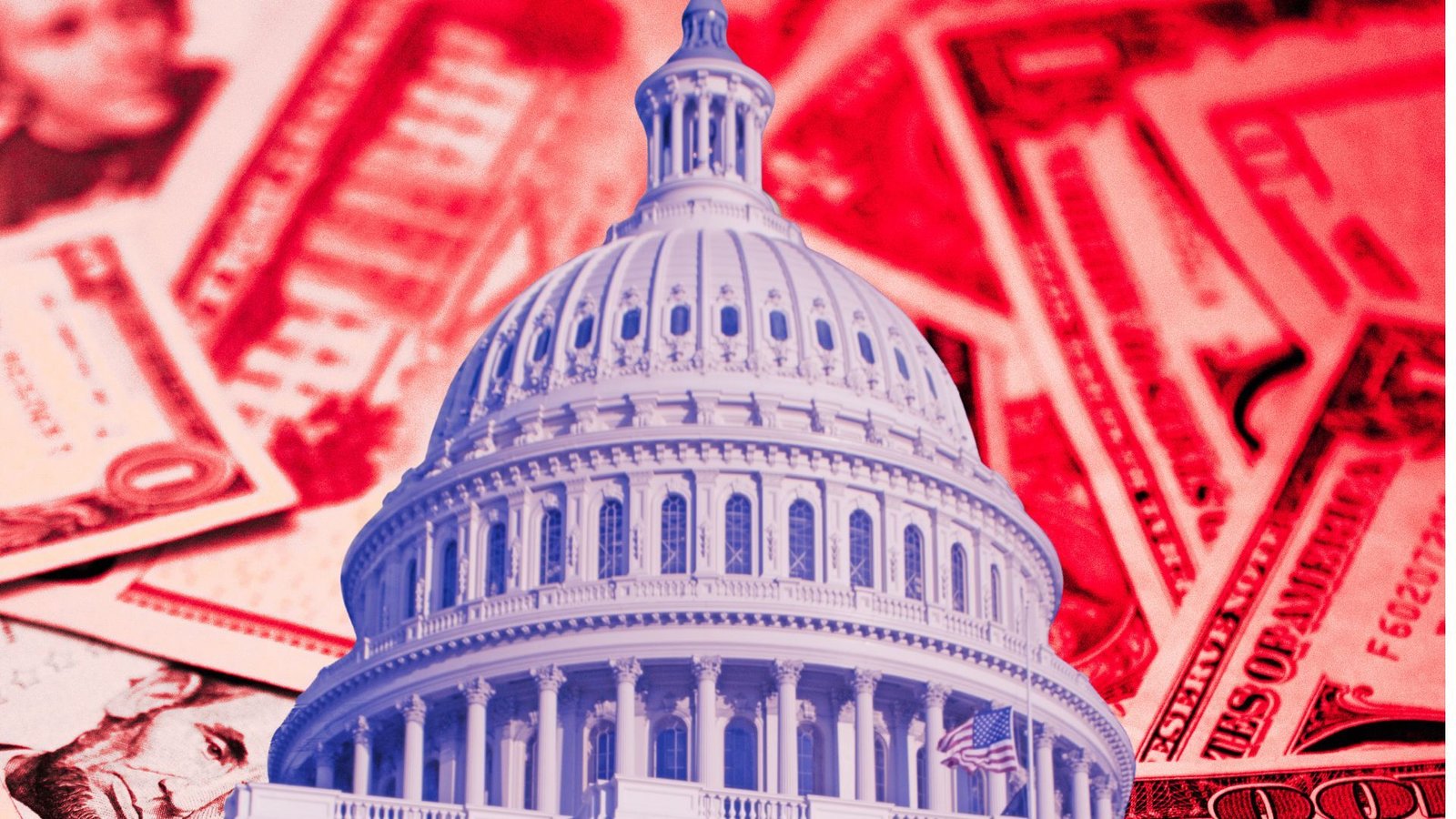
The US Department of the Treasury is now accepting voluntary donations via Venmo to help reduce the country’s staggering $36 trillion national debt, sparking widespread online backlash this week over the government’s audacious request.
Imagine a friend who is constantly short of cash when the restaurant bill arrives, only to ask if you can transfer them some money. That is essentially the position the US government has taken. With the national deficit currently exceeding $36 trillion, the mathematics of the situation are sobering. If every American citizen, including children, contributed equally to clear the balance, each person would owe more than $100,000 — and the debt would resume growing almost immediately.
Public Backlash and the ‘Dystopian’ Reality
The initiative quickly went viral after NPR’s Jack Corbett highlighted the payment option in a post on X, triggering furious reactions across social media.
“What in the actual dystopian hellscape is this?” questioned TikTok creator @millennial.mia in a widely shared video addressing the scheme.
@millennial.mia Venmo to pay down national debt….#news #venmo #economy #fypシ #fyp #dystopian ♬ original sound – Millennial Mia
Many critics pointed out the irony of the government requesting voluntary contributions when it already extracts significant portions of civilian income through mandatory taxation.
The History Behind ‘Gifts to Reduce the Public Debt’
While Venmo is a modern addition, the concept of voluntarily funding the Treasury is not new. The Gifts to Reduce the Public Debt programme has been operational since 1996. Historically, citizens could only contribute via bank transfers (ACH), debit cards, credit cards, or PayPal. Venmo is simply the latest digital channel integrated to modernise the process.
In an economic climate defined by high inflation, corporate redundancies, and financial instability, prioritising your personal household budget is a far more effective strategy than funding the state. There are several smarter ways to allocate your money.
Four Smarter Ways to Use Your Money Instead
1. Establish a Secure Emergency Fund
An emergency fund serves as a crucial financial safety net against unexpected medical bills, sudden job losses, or urgent home repairs. Financial advisors generally recommend saving three to six months’ worth of living expenses. However, statistics show that at least 40% of Americans currently have no emergency savings. Putting your spare cash into a high-yield savings account allows your money to grow securely rather than disappearing into government coffers.
2. Pay Down Your Personal High-Interest Debt
High-interest liabilities, such as credit card balances and personal loans, can severely restrict your financial freedom for decades. Directing your surplus funds toward your own outstanding debts yields a guaranteed return by eliminating future interest payments. While a donation to the national debt is an imperceptible drop in the ocean, clearing your personal debt will dramatically improve your financial health.
3. Maximise HSA or FSA Contributions
Healthcare costs remain a primary driver of personal bankruptcy in the US. With potential changes to Medicaid under President Donald Trump’s proposed legislative plans — which the Congressional Budget Office projects could add $3.4 trillion to the national debt by 2034 — securing your medical funding is vital.
By contributing to a Health Savings Account (HSA) or a Flexible Spending Account (FSA), you ensure you can cover future medical costs while benefiting from significant tax advantages — a benefit you forfeit when donating directly to the government.
4. Support Verified Charitable Organisations
If your personal finances are secure and you wish to use your capital for the public good, directing funds to registered charities ensures your money achieves a tangible impact. Platforms like Charity Navigator and CharityWatch can assist you in identifying highly rated, transparent organisations that align with your values.