


Some card details on this page may be out of date.
Stranded travelers facing holiday flight delays and lost luggage at airports worldwide this season can salvage their trip costs by leveraging the complimentary travel insurance built directly into their credit cards.
Peak holiday travel often brings unavoidable headaches, from misplaced baggage to sudden cancellations. While many travelers overlook the fine print of their financial products, the credit card used to book a trip often functions as a safety net, offering built-in protections that require no additional upfront fees.
Understanding Your Credit Card’s Built-In Travel Insurance
Most premium and travel-focused credit cards offer complimentary insurance policies. However, these protections typically apply only if you used that specific card to purchase the eligible travel arrangements. It is also important to note that credit card insurance often acts as secondary coverage, meaning it pays out only after your primary personal insurance policy has processed your claim.
Key Types of Credit Card Travel Coverages
Depending on your card issuer, you may have access to several distinct forms of financial protection while traveling.
Trip Cancellation and Interruption Insurance
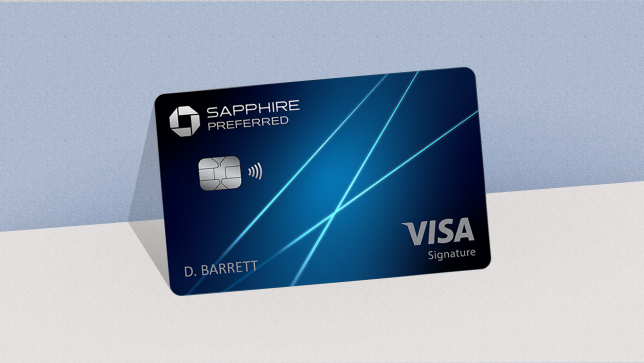
This coverage reimburses your non-refundable, prepaid travel expenses if unexpected events—such as severe weather, natural disasters, or sudden medical emergencies—force you to cancel or cut your trip short. For instance, the Chase Sapphire Preferred® Card provides trip cancellation and interruption coverage of up to $10,000 per covered person, capping at $20,000 per eligible trip.
Primary vs. Secondary Rental Car Insurance
Many credit cards provide rental car protection, but most offer only secondary coverage, which requires you to file a claim with your personal auto insurer first. The most valuable cards offer primary coverage. The Chase Sapphire Reserve®, for example, includes a primary auto rental collision damage waiver that covers up to $75,000 for theft and physical damage, bypassing your personal insurance entirely.
Travel Accident Insurance
This policy provides financial compensation for severe injuries, loss of sight, speech, hearing, or accidental death occurring during a trip. To qualify for travel accident insurance, cardholders must typically purchase their tickets on a common carrier, such as a commercial airline, train, or cruise line, using the eligible card.
Baggage Delay Insurance
If your checked luggage is delayed by a carrier for a specific duration—typically between 6 and 12 hours—this benefit reimburses you for essential immediate purchases. Covered items generally include toiletries, basic clothing, and necessary device chargers while you wait for your bags to arrive.
Lost or Damaged Luggage Reimbursement
When a common carrier permanently loses, steals, or damages your carry-on or checked baggage, this protection helps cover the replacement costs. While individual policy terms vary, many credit card plans reimburse up to $3,000 per passenger for lost or damaged luggage.
Trip Delay Insurance
When unexpected delays push your departure back by a set number of hours (usually six or more), trip delay insurance covers necessary, unplanned expenses. This includes hotel stays, meals, and local transportation incurred during the delay, typically paid out on a per-traveler basis.
How to File a Credit Card Travel Insurance Claim
To successfully claim these benefits, start by reviewing your cardholder agreement or calling the customer service number on the back of your card to confirm your specific coverage details.
Due to high call volumes during peak holiday travel seasons, submitting your claim online via your issuer’s website or mobile app is often the fastest route. When filing, you must provide documentation. Keep digital copies of flight delay notices, cancellation emails, hotel receipts, meal invoices, and any official reports filed with the airline regarding lost or delayed baggage.
Should Travel Insurance Dictate Your Credit Card Choice?
While complimentary travel protection is a highly valuable perk, it should not be the sole factor when choosing a new credit card. Consumers should weigh these benefits against annual fees, interest rates, rewards structures, and credit score requirements.
Furthermore, credit card protections are rarely a complete substitute for a dedicated, comprehensive travel insurance policy. Card-based coverage seldom includes robust international medical evacuation or emergency healthcare services. Travelers heading abroad or requiring high-limit coverage should purchase a separate, comprehensive travel insurance policy to ensure full protection.
Maximizing Built-In Shopping Protections
Beyond travel-specific benefits, many credit cards safeguard physical purchases made during your travels through various retail protections.
Purchase Protection
This feature covers newly purchased items against accidental damage or theft for a designated window, typically 90 to 120 days from the purchase date. If a newly bought device is stolen or broken shortly after purchase, you can file a claim for reimbursement or repair.
Extended Warranty Protection
Many cards extend the manufacturer’s warranty on eligible purchases, doubling or adding up to an extra year of coverage. These programs feature specific limits per claim and per account.
Cell Phone Protection
By paying your monthly cellular bill with an eligible credit card, you may receive coverage against phone damage or theft. This protection usually requires a small deductible and features annual coverage caps.
Return Protection
If a merchant refuses to accept a return within a specified period—typically 90 days—return protection ensures you get reimbursed. For example, some eligible cards refund up to $300 per item, up to a maximum of $1,000 per calendar year per account.