

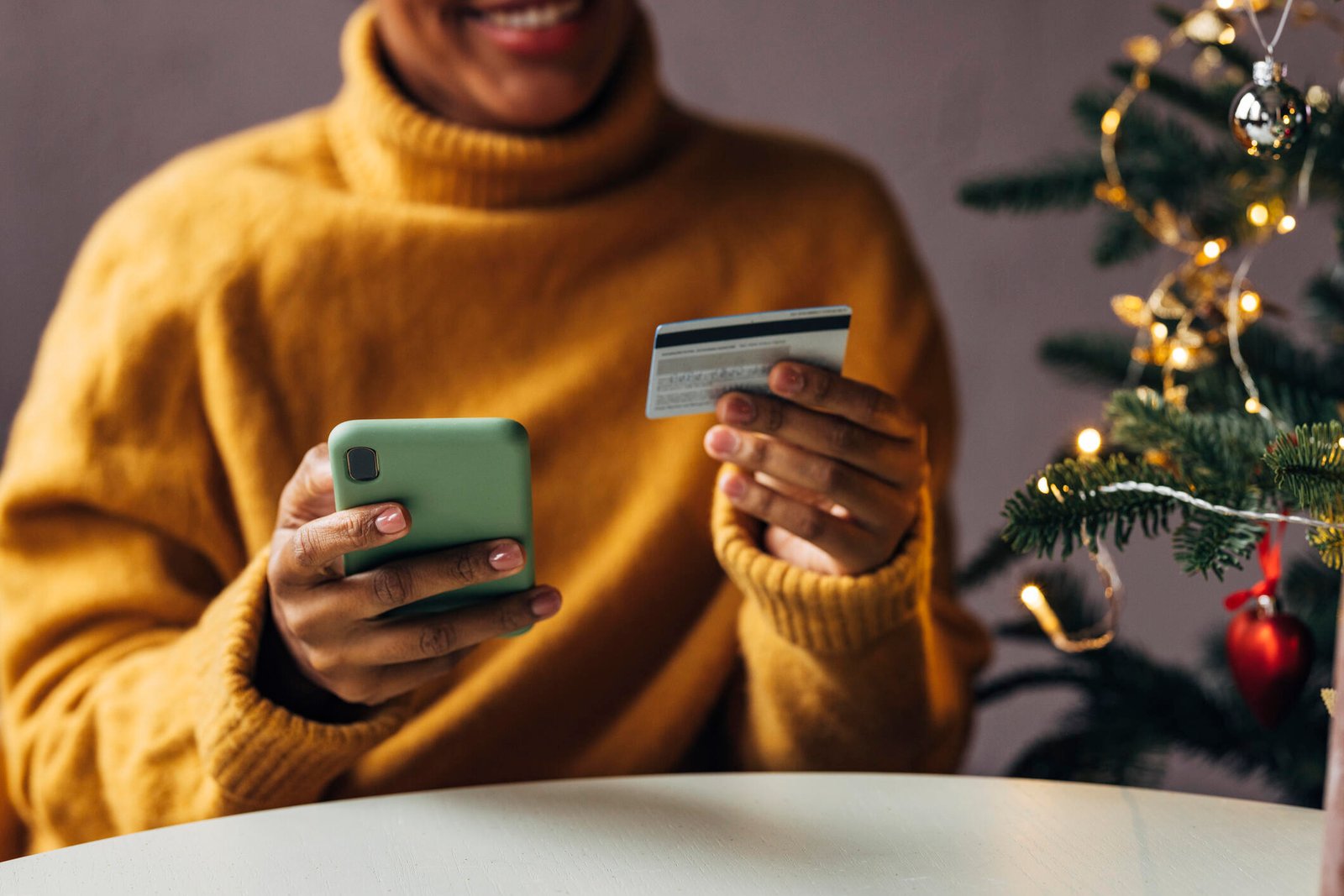
Financial experts are urging holiday shoppers across the United States this December to prioritize credit cards over cash or debit to shield themselves against rampant seasonal fraud. Beyond the sheer convenience of avoiding cash and tracking digital transactions, credit cards provide robust, built-in consumer protections that debit cards simply cannot match. These safety nets are critical during the frantic final days of the shopping season when consumers are rushed and less vigilant.
The Security Shield: Credit vs. Debit and Cash
The primary advantage of using credit cards lies in their superior fraud protection. While federal law caps consumer liability at $50 for lost or stolen credit cards, most major issuers offer $0 fraud liability policies. This means cardholders are entirely protected from unauthorized charges.
In contrast, debit cards carry significantly higher financial risks. According to the Federal Trade Commission, if you fail to report a lost or stolen debit card within two business days of discovering it missing, your liability can jump to $500. If you report the unauthorized activity more than 60 days after your statement is issued, you could lose all the money in your linked bank accounts.
Why Debit Disputes Hurt Your Cash Flow
Personal finance expert Andrea Woroch highlights another critical vulnerability of debit cards: immediate cash drainage. When a fraudster accesses your debit card details, they steal actual cash directly from your checking account. While the bank investigates the incident, those funds remain frozen, potentially leaving you unable to pay essential bills.
With a credit card, the disputed amount is temporarily removed from your bill during the investigation, meaning your actual bank balance remains untouched.
Extended Warranties and Purchase Security
Credit cards also offer ancillary benefits that cash and debit cards lack. Many credit cards include complimentary extended warranties and purchase protection policies that cover newly bought items against accidental damage or theft. Additionally, some cards offer extended return windows, allowing you to return items through the card issuer even after the retailer’s official return policy has expired.
Furthermore, cash offers zero protection. If physical cash is lost or stolen during a shopping trip, there is no mechanism for recovery.
The Hidden Risks of Holiday Swiping
Despite their safety advantages, credit cards present specific financial hazards if managed poorly. Woroch warns that the primary risk is overspending, fueled by credit limits that exceed a shopper’s actual budget. This “buy now, pay later” mindset can lead to revolving debt that incurs high interest charges, quickly erasing any rewards or discounts earned.
Elevated credit card balances can also damage your credit score. Your credit utilization ratio—the amount of credit you use relative to your total limit—is a major scoring factor. Maxing out cards, even if you intend to pay them off in full at the end of the month, can temporarily lower your score. Late or missed payments will cause more severe, long-term credit damage.
Finally, credit cards make it easy to sign up for trial subscriptions that convert into recurring “gray charges”—unnoticed, automated monthly fees that quietly drain your finances.
Smart Strategies for Safe Holiday Spending
To maximize security and minimize financial strain, implement these tactical steps when shopping with plastic:
- Leverage Purchase Protection: Use cards that insure purchases against theft or damage for 90 to 120 days from the purchase date.
- Set Up Real-Time Alerts: Configure your banking app to send notifications for every transaction, making it easier to track spending and detect fraud immediately.
- Charge Only What You Can Pay Off: Treat your credit card like a debit card by only spending money currently sitting in your checking account.
- Target Welcome Bonuses: If you have substantial planned expenses, consider opening a new card with a lucrative sign-up bonus, such as $200 back after spending $500 in the first three months.
- Shop Through Issuer Portals: Access online retailers through portals like Chase or airline shopping hubs to earn multiplied points or cash back on standard purchases.
- Utilize 0% APR Intro Offers: If you must carry a balance temporarily, use a card offering a 0% introductory APR, and establish a strict repayment schedule to clear the debt before the promotional period ends.
How to Prevent Holiday Debt Accumulation
Establishing a concrete budget is the most effective way to avoid post-holiday financial stress. For instance, if you allocate $700 for gifts, divide that sum among the recipients on your list and stick strictly to those individual limits.
Kim Chambers, a credit card project manager at Georgia’s Own Credit Union, recommends enabling transaction alerts to prevent your balance from climbing unnoticed. Chambers also suggests redeeming accumulated cash back or credit card points to purchase gift cards or merchandise, directly reducing your out-of-pocket holiday expenses.
Top-Tier Credit Cards for Holiday Shopping
While any rewards card is beneficial, specific cards stand out for holiday transactions due to their unique features:
- Capital One Savor Cash Rewards Credit Card: This card offers 3% cash back on streaming services and popular everyday categories. The version for excellent credit features a 0% introductory APR on purchases and balance transfers. It includes standard fraud liability protection, instant security alerts, and virtual card generation for secure online shopping.
- Costco Anywhere Visa® Card by Citi: Ideal for wholesale club shoppers, this card features no annual fee and delivers 4% cash back on gas and EV charging (up to $7,000 annually, then 1%), 3% on dining and eligible travel, 2% on Costco purchases, and 1% on all other spending. It also includes built-in purchase protection against damage and theft.
- Chase Sapphire Reserve®: This premium card allows users to maximize earnings via the “Shop through Chase” portal. Earned points can be redeemed for travel, statement credits, or transferred at a 1:1 ratio to leading hotel and airline partners. The card features robust fraud monitoring, real-time alerts, and zero-liability protection.