

Pixar’s Toy Story 3 secured its spot as the definitive masterpiece of the entire franchise by delivering an unmatched emotional and narrative climax that redefined animated storytelling for global audiences upon its release. While the groundbreaking original revolutionized CGI animation and its sequel expanded the universe, the third installment achieved a rare cinematic feat: a perfect, devastatingly beautiful conclusion to a generational journey.
The Perfect Emotional Climax of Andy’s Childhood
At the core of the film’s success is its willingness to let its characters grow up. By aligning Andy’s departure for college with the real-world aging of the audience that watched the original 1995 film, Pixar tapped into a profound sense of shared nostalgia and existential dread. The narrative centers on the inevitability of change, forcing both the toys and the audience to confront the end of an era.
This thematic weight culminates in the iconic incinerator scene, a moment of dark, existential vulnerability unprecedented in mainstream children’s animation. When Woody, Buzz, and the rest of the gang hold hands, accepting their apparent demise, the film transcends family entertainment to become a powerful meditation on mortality, loyalty, and acceptance.
A Sophisticated and Darker Narrative Structure
The film brilliantly balances its emotional depth with high-stakes action, adopting the structure of a classic prison break thriller. Sunnyside Daycare is not a haven of play, but a dystopian society governed by fear and hierarchy, which adds a layer of tension unmatched by other entries in the series.
Lotso as Pixar’s Most Complex Antagonist
Unlike the chaotic malice of Sid in the first film or the greedy opportunism of Al in the second, Lots-o’-Huggin’ Bear serves as a tragic, dark mirror to Woody. Driven mad by abandonment, Lotso represents what happens when a toy loses faith in the love of a child. His refusal of redemption in the final act cements him as one of Pixar’s most realistic and chilling villains.
The Legacy That Later Sequels Failed to Eclipse
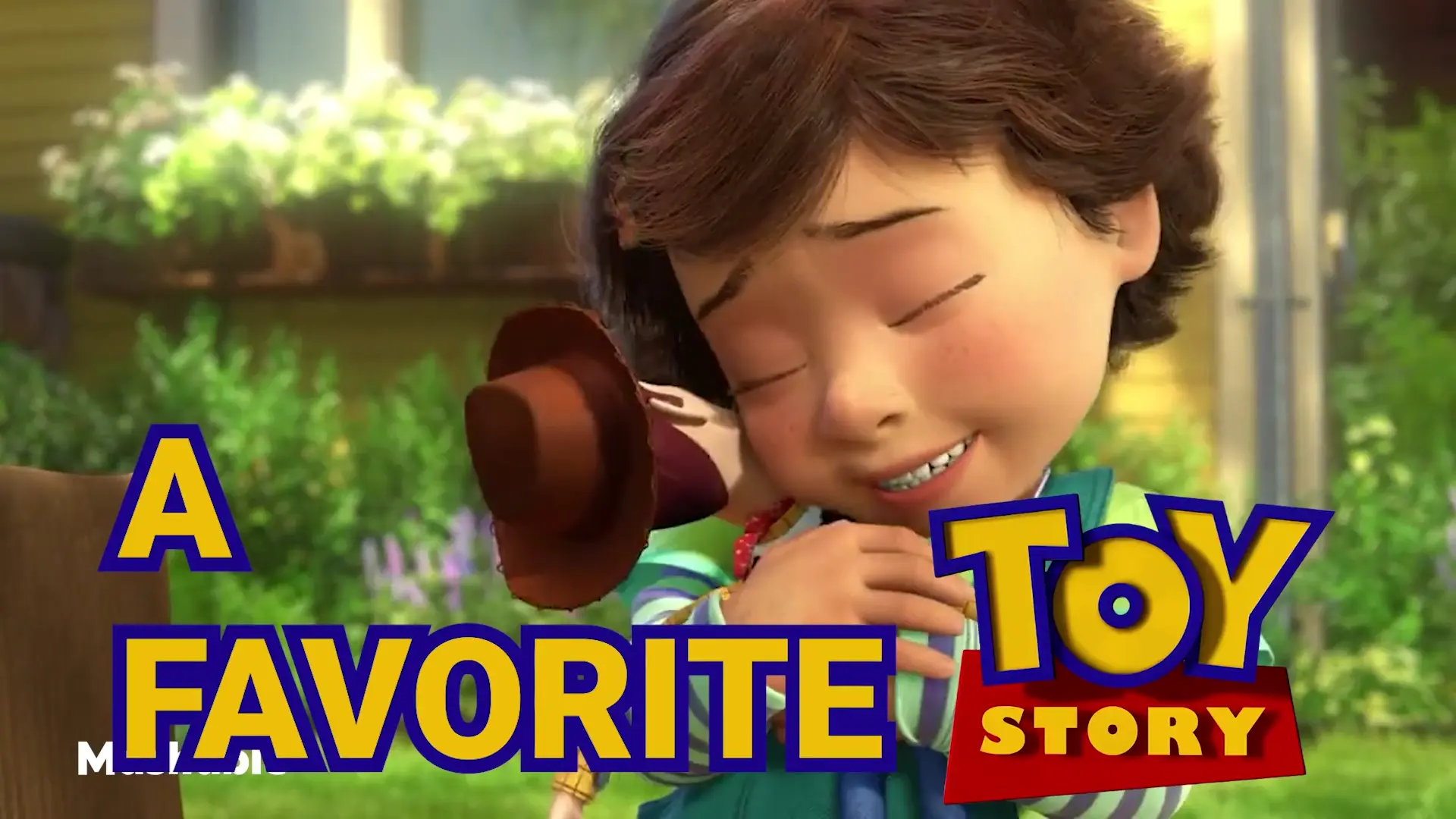
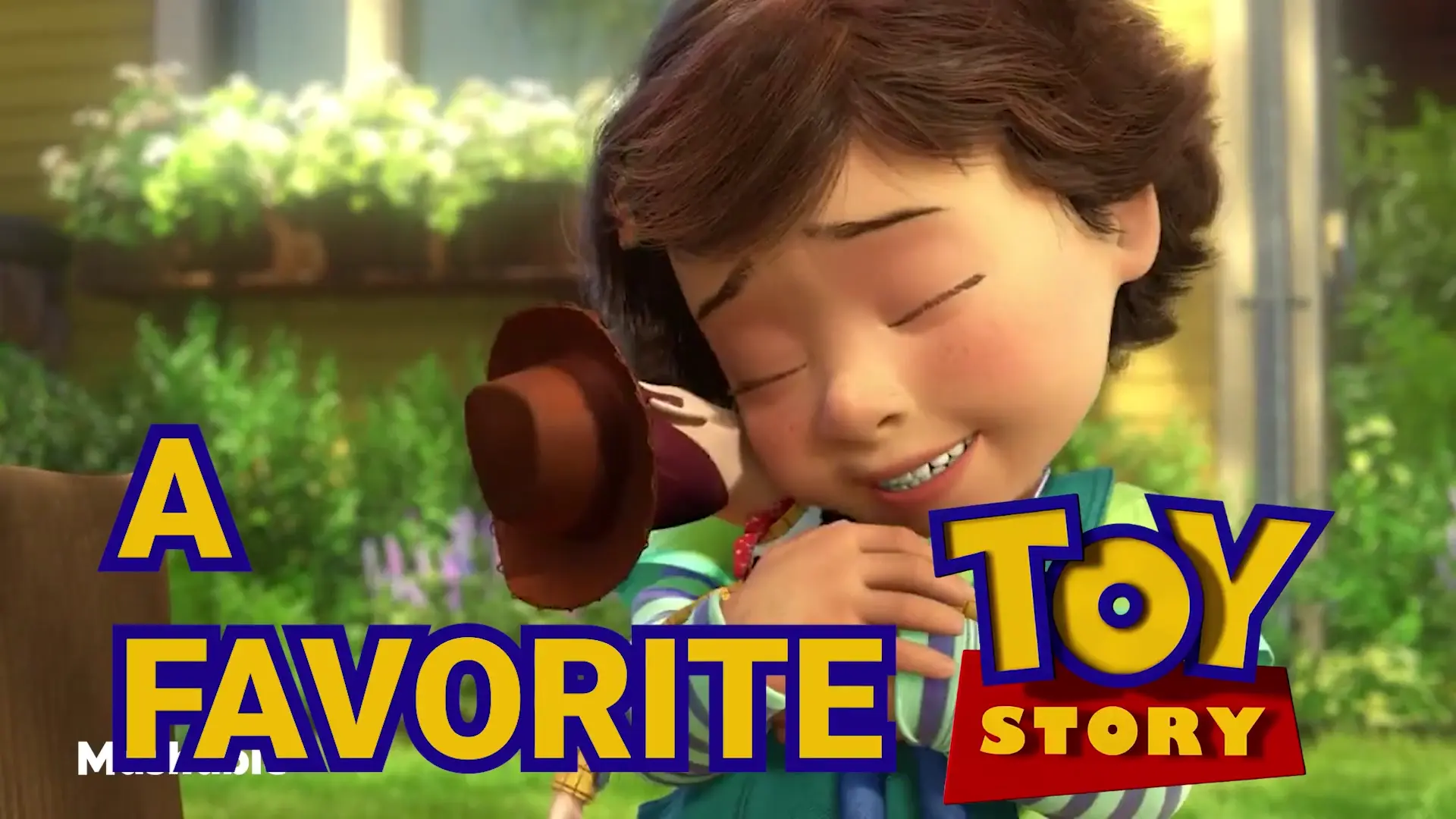
The final sequence, where Andy passes his beloved toys to Bonnie, serves as a masterclass in visual storytelling. It offers complete narrative closure, symbolizing the passing of the torch to a new generation of dreamers. This perfect resolution is precisely why subsequent installments, despite their technical achievements, have struggled to justify their existence in the shadow of this trilogy-defining peak.