

 aprott/Getty Images/CNET
Some card details on this page may be out of date.
Freelancers and self-employed professionals across the United States are increasingly turning to business credit cards this year to separate their finances, maximize tax write-offs, and earn high-value rewards on daily operations.
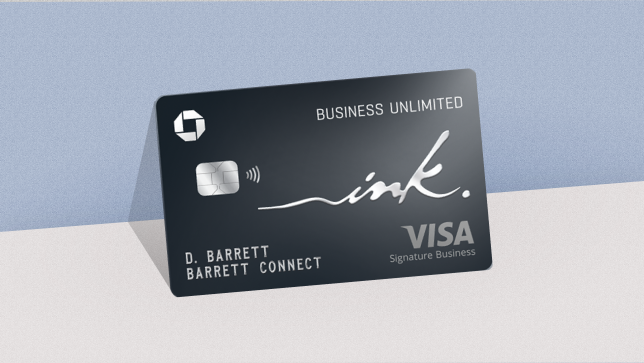
Using multiple business credit cards can streamline operations and unlock massive travel perks. For active entrepreneurs, leveraging a portfolio of cards—such as the Ink Business Unlimited® Credit Card*—allows for strategic rewards pooling. This approach earns a consistent 1.5% cash back on everyday business purchases without an annual fee, creating a seamless path to premium travel redemptions through transfer partners.
Business credit cards benefit all kinds of entrepreneurs and business owners, regardless of how big the business is or how old it is. Whether you are the CEO of a growing company or a part-time freelancer, a dedicated business credit card can elevate your financial strategy.
How Business Credit Cards Work
Operating similarly to personal credit cards, business credit cards serve as financial tools to fund company expenses, build credit, and secure rewards. However, they feature distinct differences, such as significantly higher credit limits and rewards tailored specifically to corporate spending—including office supplies, telecom services, and travel. Many cards also feature introductory 0% APR periods and substantial sign-up bonuses, allowing businesses to reinvest their earnings directly back into operations.
Once you start accumulating rewards, you can redeem them to offset other business expenses. Depending on your issuer, you may use rewards toward travel, a statement credit, or new business purchases.
Who Qualifies for a Business Credit Card?
You do not need to run a massive corporation with hundreds of employees to qualify for a business card. Freelancers, gig workers, sole proprietors, and side-hustlers are all eligible. Even brand-new startups can secure approval. Because new ventures often lack an established credit history, commercial issuers evaluate applications using the owner’s personal credit score. Keep in mind that most issuers require a personal guarantee, meaning you remain personally liable for any unpaid business debts.
By getting a business credit card, you will be able to start developing a credit profile for your business. But remember that there is a good chance you will still be personally liable for any debt incurred on business credit cards.
The Risks of Mixing Business and Personal Finances
While no law prohibits using personal credit cards for business transactions, doing so complicates financial management. Keeping business expenses on a dedicated card simplifies tax preparation, as business interest is tax-deductible. Mixing accounts weakens your liability protections, obscures cash flow tracking, and prevents you from building a dedicated business credit profile. Additionally, personal accounts do not allow you to issue linked employee cards with custom spending limits.
Weighing the Pros and Cons of Business Cards
The right business credit card can help you earn rewards on regular and one-off purchases. But if you are not careful, carrying an outstanding balance can come with steep interest charges. Here are some of the benefits and drawbacks to consider.
The Advantages
- Clear Financial Separation: Isolating business transactions from personal spending streamlines bookkeeping and prepares your business for seamless tax audits.
- Elevated Purchasing Power and Perks: Business cards offer higher credit limits and premium perks, such as statement credits for software subscriptions, cell phone protection, and travel benefits.
- Building Corporate Credit: Responsible usage helps establish a strong credit score with major business bureaus like Dun & Bradstreet, paving the way for future commercial loans.
The Disadvantages
- High Interest Rates: If you carry a balance, high APRs—often exceeding 25%—can quickly accumulate and drain cash flow.
- Strict Application Requirements: Issuers require detailed business information, including revenue projections and tax identification numbers, which can be challenging for brand-new businesses.
- Costly Annual Fees: Premium rewards cards often charge hundreds of dollars annually. If your spending does not offset this cost, the card may not be financially viable.
What the Credit Experts Say
Industry experts emphasize that personal credit health remains the foundation of business credit acquisition.
“If you build your personal credit, it makes obtaining business credit a lot easier,” credit expert Shonda Martin said. “Most banks or financial institutions will require what’s called a personal guarantee, or a guarantor, which is just you as a person. They’ll pull your personal credit report to determine if you’re eligible for the card.”
According to credit expert Julia Menez, most business cards require a personal credit score of at least 690, but some may be even higher. When it comes to choosing the right business credit card, Menez said it is important to choose a card that fits your business goals.
Credit expert Gerri Detweiler said it is also important to know what type of rewards you are looking to earn and if you want a travel-focused card or a general rewards card.
“Just like shopping for a personal credit card, you need to know your spending habits and the types of rewards you value as a business owner,” Detweiler said. “Some business owners prefer travel rewards, while others may just want to keep it simple with cash back. I’ve talked to business owners who save their cash back or travel points to reward employees, while others may prefer to treat themselves to a low-cost vacation.”
Choosing the Right Card for Your Operations
When choosing which credit card is right for your business, consider all its facets, including the APRs and fees as well as the rewards and benefits.
Business Travel Cards
If your operations require frequent travel, a dedicated travel card offers maximum value. These cards offer flexible points redeemable across multiple airlines and hotels, alongside premium perks like airport lounge access, TSA PreCheck statement credits, and comprehensive travel insurance. Co-branded cards also provide airline-specific benefits like free checked bags and accelerated elite status.
General Rewards and Cash-Back Cards
For businesses with diverse or local spending, a general cash-back card provides predictable returns. When selecting a card, evaluate the following factors:
- Match Rewards to Spending Habits: Choose a flat-rate card for varied expenses, or a category-specific card if your budget concentrates on office supplies or advertising.
- Monitor Reward Caps: Ensure the card does not cap your earnings in your highest-spending categories.
- Calculate the Value of Annual Fees: Only opt for cards with annual fees if your projected rewards and statement credits outweigh the yearly cost.
- Compare APRs and Intro Offers: If you need to finance large equipment purchases, prioritize cards offering 0% introductory APR periods to avoid interest charges.
Strategies to Maximize Your Business Credit Card
You will get the maximum value from your business credit card by using it responsibly and strategically to help your business grow.
- Pay the Balance in Full: Treat the card like cash and pay your statement monthly to completely avoid high interest charges.
- Utilize Every Perk: Make full use of annual statement credits, purchase protections, and lounge passes included with your card membership.
- Optimize Redemption Methods: Research transfer partners to ensure you get the highest value per point rather than settling for low-value statement credits.
- Pair Cards Strategically: Combine a flat-rate card with a category-specific rewards card to maximize earnings across all business expenses.
- Automate Payments: Set up autopay to guarantee on-time payments, protecting your credit score and avoiding late fees.
Step-by-Step Guide to Applying for a Business Card
Applying for a business credit card is similar to the process of applying for a personal credit card, but the card issuer will likely require additional information about your business.
- Check Your Personal Credit: Ensure your personal credit score is in the good-to-excellent range (670+ FICO) before applying.
- Select the Right Card: Compare cards based on fee structures, rewards, and your primary business expenses.
- Gather Required Documentation: Prepare your legal business name, address, industry type, years in operation, employee count, annual revenue, and your Employer Identification Number (EIN) or Social Security Number (SSN).
- Complete the Application Online: Apply directly through the issuer’s secure website for faster processing.
- Submit and Await Decision: Many issuers provide instant approval, though some may request additional documentation like business registration proofs.
Frequently Asked Questions (FAQs)
Can you use a business card for personal expenses?
While technically possible, mixing personal expenses on a business card complicates bookkeeping, violates most issuer terms of service, and can create significant tax and legal liabilities during an audit.
Does a business credit card impact personal credit?
Yes. The initial application triggers a hard credit inquiry on your personal report. Additionally, many issuers report business payment history to personal credit bureaus, meaning late payments will negatively affect your personal score.
How do you check your business credit score?
You can monitor your business credit profile by purchasing reports directly from major business credit bureaus, including Dun & Bradstreet, Experian Business, and Equifax Small Business.
*All information about the Ink Business Unlimited Credit Card has been collected independently and has not been reviewed by the issuer.