

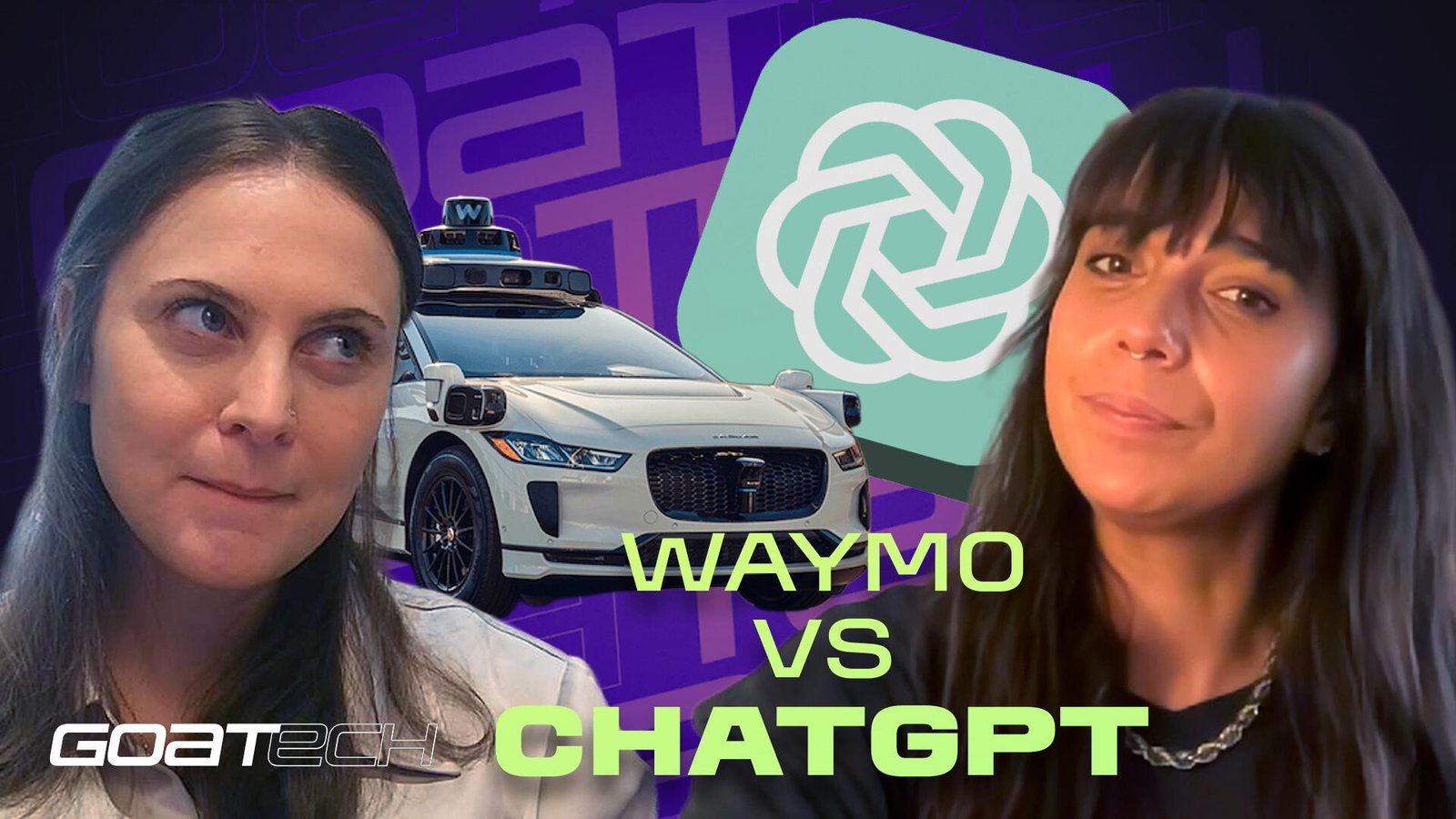
On November 25, 2025, the global technology sector witnessed a defining clash between two distinct paradigms of artificial intelligence: Waymo’s real-world Physical AI and OpenAI’s digital-first Generative AI, represented by ChatGPT, as developers race to prove which approach will dominate the next decade of automation.
Understanding the Core Divide: Hardware vs. Software
Artificial intelligence has evolved into two powerful branches. On one side stands Physical AI, championed by autonomous driving pioneer Waymo. This technology interacts directly with the physical world, processing real-time sensory data to safely navigate complex, unpredictable environments. On the other side is Generative AI, led by platforms like ChatGPT, which excels at cognitive tasks, natural language processing, and creative synthesis within digital parameters.
Waymo and the High-Stakes Reality of Physical AI
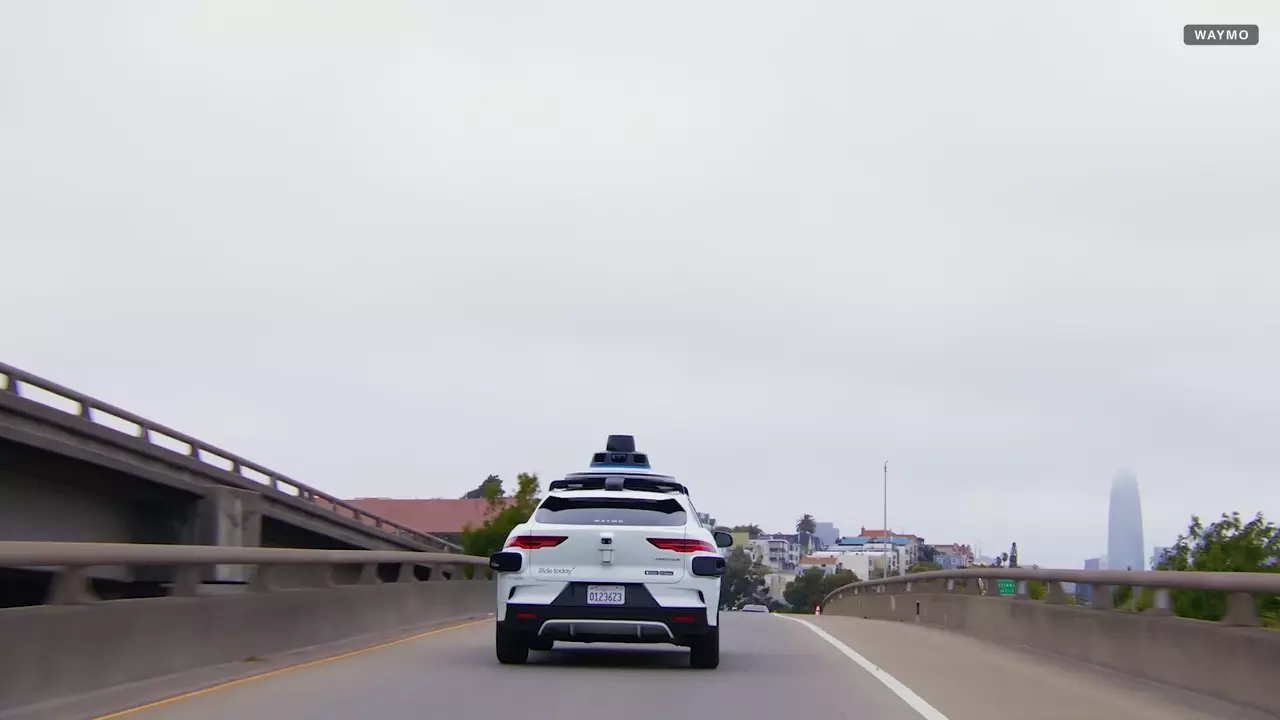
Unlike virtual assistants, Physical AI cannot afford to hallucinate. Waymo’s self-driving vehicles rely on a highly sophisticated suite of lidar, radar, and cameras to make split-second decisions. A single error in spatial awareness can have severe real-world consequences, making the development of Physical AI a slow, highly regulated, and capital-intensive endeavor.


ChatGPT and the Rapid Scale of Generative AI
Generative AI operates in a digital sandbox, allowing for rapid deployment and massive scalability. ChatGPT processes billions of parameters to generate text, code, and multimedia instantly. While it faces challenges with factual accuracy, its development cycle is significantly faster because it does not need to comply with the laws of physical motion or navigate crowded city streets.


The Convergence: When Physical Meets Generative
The ultimate goal for many tech visionaries is the integration of these two systems. Future robotics and autonomous systems will likely use Generative AI as the “brain” to understand complex human commands, while relying on Physical AI as the “nervous system” to safely execute those actions in the real world.