

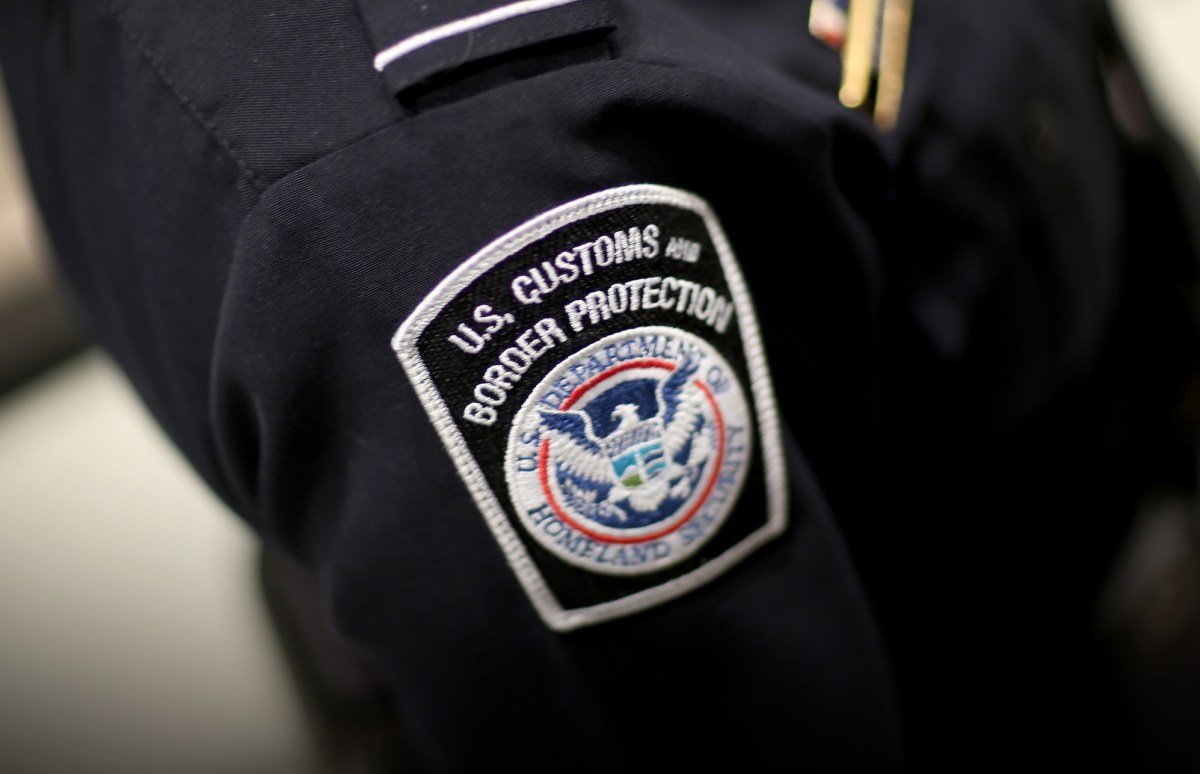
The US Justice Department is prosecuting Atlanta resident Samuel Tunick for allegedly destroying data by giving border authorities a “duress” passcode that wiped his phone during a search at Hartsfield-Jackson International Airport on 24 January 2025.
A Landmark Case for Mobile Security
This prosecution is believed to be the first time US federal prosecutors have charged an individual for destroying data using a built-in “duress” password feature on a mobile operating system.
According to The Guardian, which reported on the case following a court hearing, Tunick is actively contesting the charges. His defence team argues that US Customs and Border Protection (CBP) unlawfully seized his phone upon his return to the country, meaning any subsequent evidence—including the alleged data wipe—should be ruled inadmissible.
At the heart of the dispute is GrapheneOS, a privacy-focused, custom Android operating system running on Tunick’s Google Pixel device. His legal team confirmed the device was running this software, which includes a security feature that deliberately wipes the contents of that device if a specific duress PIN is entered instead of the standard unlock code.
The Battle Over Border Search Powers
The prosecution highlights ongoing legal debates regarding constitutional rights at international borders. The US government has long maintained that border entry points do not constitute domestic soil for search-and-seizure purposes until an individual is formally admitted.
The government’s indictment, which contains a typographical error (“Untied States Code”), accuses Tunick of providing a passcode to border agents that triggered the phone to “delete the digital contents” just before the device was physically seized.
In response, Tunick’s lawyers filed a motion to suppress the evidence, branding the detention and seizure illegal. The motion details how border officers directed Tunick to a secondary inspection area after he landed from an overseas flight. During this time, he was allegedly denied access to legal counsel and was not informed of his rights.
Environmental Activism and Warrantless Searches
Tunick’s defence team claims that CBP officers used the pretext of searching for child exploitation material to demand phone access without any reasonable suspicion. Instead, the defence argues the stop was politically motivated, targeting Tunick for his links to “Defend the Atlanta Forest”—an environmental group opposing a massive police training facility dubbed “Cop City.”
According to the motion, border agents claimed they did not require a warrant because Tunick had not officially crossed the US border. The US government asserts broad authority to search and seize electronic devices without warrants or court orders at ports of entry.
When authorities entered the passcode provided by Tunick, the screen reportedly went blank, flashed repeatedly, and restarted. Despite this, officers seized the device before releasing Tunick and allowing him entry into the country.
Unprecedented Charges and Expert Warnings
Federal prosecutors subsequently charged Tunick under a federal statute that criminalises the knowing destruction or damage of property to prevent its seizure by authorities. Tunick has entered a plea of not guilty.
Matthew Dodge, an assistant federal public defender representing Tunick, noted that indictments utilising this specific statute are exceptionally rare. Digital security and legal experts echoed this sentiment, stating they have not seen the law applied to duress passwords before.
Bill Budington, a senior staff technologist at the Electronic Frontier Foundation, alongside Runa Sandvik, founder of security firm Granitt, confirmed they were unaware of any prior cases of this nature.
“I have not seen this before, though I’ve discussed the potential scenario with activists and journalists over the years,” Sandvik said. “I think this case serves as a reminder that authorities may argue you knowingly destroyed data, so it’s better to not have that data on you when you cross certain borders.”
“With a little planning ahead of time, you can always download the data you need once you get to where you’re going,” Sandvik added.
To help travellers navigate these situations, the Electronic Frontier Foundation provides detailed guides on data protection and legal rights at US borders.
The Atlanta federal court is scheduled to rule on Tunick’s motion to suppress later this year. The Department of Justice declined to comment on the active case.