


PocketGuard, a popular personal finance app launched in 2015, remains a top choice for mobile budgeters in 2025 across iOS and Android platforms by delivering a secure, automated system designed specifically to help users conquer outstanding debt.
Alongside mainstays like Rocket Money, PocketGuard is highly suited to the average consumer, offering a clean interface, intuitive features, and competitive pricing. However, its true competitive edge lies in its specialised debt-planning toolkit, which allows users to build a tailored strategy to clear their outstanding balances. To see if it lives up to the hype, we put the application through its paces.
What is PocketGuard and How Does It Work?
PocketGuard operates on the same core principles as most modern budgeting applications. By linking your current, savings, investment, and credit card accounts via secure integrations like Plaid and Finicity, you can import your transaction history in seconds without exposing sensitive account numbers.
While the app automatically categorises some transactions, manual adjustment is frequently required. This hands-on categorisation is not necessarily a disadvantage; actively reviewing where your money goes can significantly improve your financial habits. You can also label recurring charges, set up savings goals, and perform all the standard budgeting tasks expected of a premium financial tool.
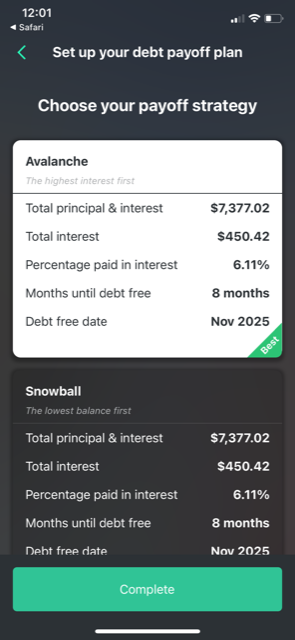
The standout feature of PocketGuard is its dedicated debt payoff tool. This module allows you to map out a clear repayment strategy, calculate potential interest savings, and monitor your journey towards financial freedom. However, those seeking proactive nudges or behavioural accountability might find it lacking. If you need an app that actively challenges your spending habits, an alternative like Cleo might be more suitable.
Pros & Cons
- Pros: Structured debt payoff planning, enhanced security features, automatic bill negotiation, and accessible personal finance education.
- Cons: Short seven-day trial, lack of automated subscription cancellation, and ambiguous data privacy guidelines regarding marketing partners.
The Advantages of PocketGuard
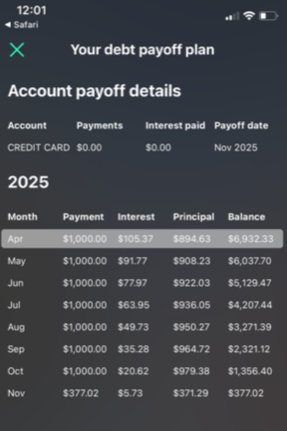
- Debt Payoff Planning: Managing debt can be overwhelming, but PocketGuard excels where others falter by offering a dedicated strategy builder to tackle outstanding balances.
- Extra Security Layer: Access requires a unique PIN, alongside biometric features like facial and fingerprint recognition, ensuring your financial data remains safe even if your device is lost.
- Bill Negotiation Services: The platform automatically identifies potential savings on recurring bills (such as broadband or mobile contracts), retaining 40% of any successfully secured savings.
- Personal Finance Education: Includes a free, 20-minute, self-guided tutorial covering budgeting basics, debt management, and goal setting, which is ideal for beginners.
Drawbacks to Consider
- Limited Trial Period: The free trial lasts just seven days. Users are advised to start with the monthly $12.99 subscription before committing to the $74.99 annual tier. A free version is available, but it is highly restricted.
- No Subscription Cancellation: Unlike competitors like Rocket Money, PocketGuard only provides instructions for cancelling subscriptions rather than doing the administrative work for you.
- Unclear Data Privacy Policies: Despite claims of not selling user data, the company’s privacy policy includes disclaimers about sharing financial profiles to generate targeted partner offers.
Security and Suitability
Is PocketGuard Safe to Use?
Security is a strong point for PocketGuard. The service utilises bank-grade 256-bit SSL encryption. It also enforces an extra layer of protection by requiring a unique PIN and supporting biometric login options, exceeding the security measures of many rival applications.
Who Should Choose PocketGuard?
PocketGuard is highly recommended for individuals managing multiple credit card balances who require an intuitive dashboard to plan, track, and execute a debt reduction strategy.
Top PocketGuard Alternatives
Before committing, it is worth comparing PocketGuard with Rocket Money, which was previously named CNET Editors’ Choice for the best overall budgeting app. Rocket Money offers similar user-friendly features at a slightly lower price point, alongside a hands-free subscription cancellation service and credit score monitoring. However, it lacks the specialised debt-repayment planning tools found in PocketGuard.
Frequently Asked Questions
How much does PocketGuard cost?
PocketGuard offers two subscription tiers: a monthly plan priced at $12.99 and an annual plan at $74.99.
Is PocketGuard worth the subscription fee?
For users prioritising debt reduction, the cost is easily justified. PocketGuard claims to have helped its community pay off over $90 million in debt. The bill negotiation feature also offers a practical way to offset the subscription cost.
Which is better: PocketGuard or Rocket Money?
Your choice depends on your financial goals. Both platforms offer robust tracking tools, but Rocket Money is slightly cheaper and manages subscription cancellations. PocketGuard remains the superior choice if structured debt repayment is your primary focus.