

 Smith Collection/Gado/Getty Images
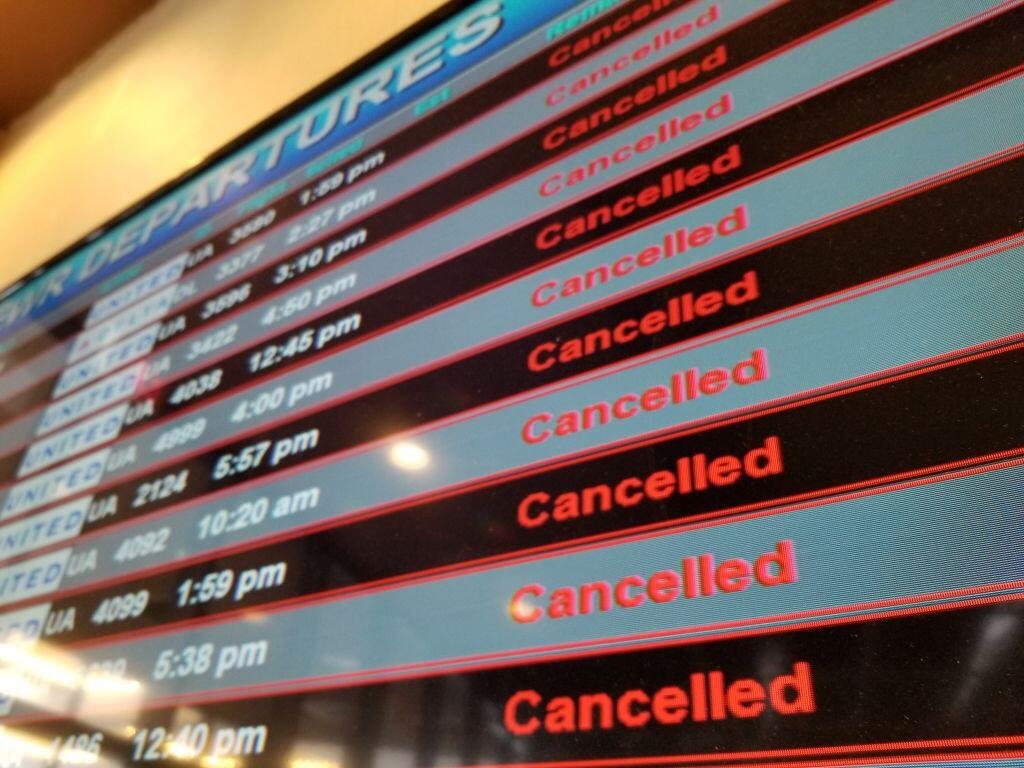
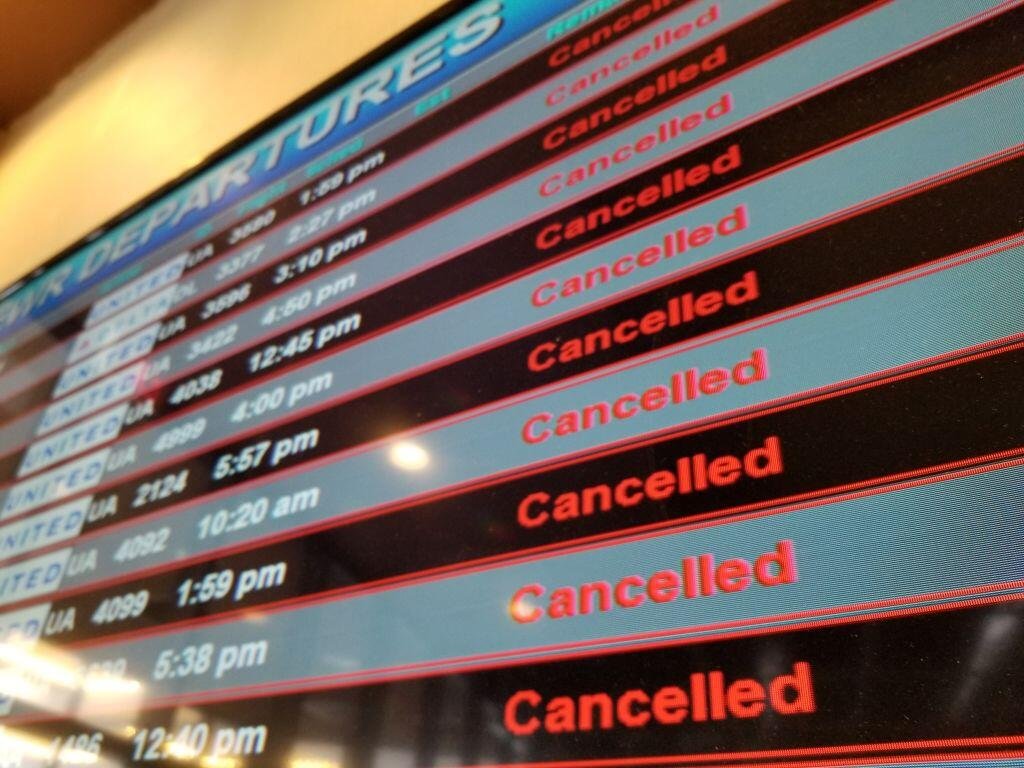
Newark Liberty International Airport (EWR) suffered another major communications outage on Friday, 9 May, sparking widespread flight delays and cancellations due to a failing air traffic control system and severe staffing shortages.
The telecommunications failure, which struck at approximately 3:55 a.m. ET, disrupted the Philadelphia facility responsible for guiding aircraft in and out of Newark’s airspace. According to a spokesperson from the Federal Aviation Administration (FAA), the outage lasted for about 90 seconds but left a lasting impact on the day’s flight schedules.
Why Air Traffic Control Failures Are Grounding Flights
This incident follows a severe breakdown last week when the Philadelphia air traffic control centre temporarily lost both radar and radio communications. During that crisis, controllers were completely unable to see, hear, or contact pilots. In an official statement, the FAA admitted its “antiquated air traffic control system” is placing an immense strain on its workforce.
Following the technical failure, one-fifth (20%) of the facility’s controllers took leave under the Federal Employees’ Compensation Act, which covers workers injured or traumatised on the job. This critical staffing deficit, combined with ongoing runway maintenance at Newark, has compounded the travel chaos.
United Airlines CEO Scott Kirby highlighted the systemic nature of the issue. “This particular air traffic control facility has been chronically understaffed for years,” Kirby stated in an official statement. He warned that Newark Airport simply cannot support the volume of flights currently scheduled for the coming weeks and months.
Though the FAA currently estimates average departure delays at Newark to be around 48 minutes, delays soared past four hours earlier in the week. Data from FlightAware showed 106 delayed flights and 40 outright cancellations at EWR on the morning of the outage alone.
Smart Strategies to Bypass Newark Travel Disruptions
The most effective way to protect your travel plans is to bypass Newark entirely. When booking, opt for alternative regional hubs such as John F. Kennedy International Airport (JFK) or LaGuardia Airport (LGA). While flight delays can occur at any airport, the current systemic issues make Newark a significantly higher risk.
If you have a layover scheduled at Newark, explore alternative routing options. Depending on your airline’s booking policies and your final destination, you may be able to reroute through other transit hubs, such as Philadelphia International Airport.
How to Use Credit Card Benefits to Cover Delay Costs
Many premium travel credit cards offer trip delay reimbursement to protect cardholders from unexpected out-of-pocket expenses caused by equipment failure or severe weather. This benefit covers costs that airlines typically refuse to refund, including hotel accommodation, meals, and ground transport.
While some airlines provide basic vouchers if a flight is delayed by more than three hours or postponed overnight, credit card insurance policies often offer superior limits and better hotel choices. It is highly recommended to compare your card’s benefits against the airline’s compensation policy.
Before submitting a claim to your card issuer, keep these essential rules in mind:
- Minimum delay thresholds apply: You must be delayed for a specific duration before coverage kicks in. For example, Chase requires a 12-hour delay for standard cardholders, but reduces this to six hours for Sapphire Reserve members.
- Strict coverage caps: Most card issuers cap reimbursement at a specific limit, typically up to $500 per passenger for non-refundable expenses.
- Documentation is mandatory: You will need written proof of the delay from the airline, along with itemised receipts for all expenses incurred.
- Original booking requirement: The entire flight must have been purchased using the specific credit card offering the benefit.
Top Travel Credit Cards Offering Delay Protection
Several major travel credit cards provide robust trip delay insurance. If you are loyal to a specific airline or hotel chain, check if their co-branded cards offer similar protection. Always weigh the card’s annual fee against your actual travel frequency to ensure the benefit justifies the cost.
| Credit Card | Delay Time | Expense Limit | Annual Fee |
|---|---|---|---|
| Chase Sapphire Preferred® Card* | 12 hours | $500 | $95 |
| Chase Sapphire Reserve® Card* | 6 hours | $500 | $550 |
| The Platinum Card® from American Express | 6 hours | $500 | $695 (see rates & fees; terms apply) |
| Capital One Venture X Rewards Credit Card* | 6 hours | $500 | $395 |
Terms apply to American Express benefits and offers. Enrollment may be required for select American Express benefits and offers. Visit americanexpress.com to learn more.
Crucial Steps Before Submitting Your Insurance Claim
To guarantee a successful claim, verify your eligibility before starting the process. Contact your credit card issuer directly or review their online guide to confirm specific documentation requirements. Retain every receipt, boarding pass, and airline notification during your delay, as these are vital for claim approval. Crucially, ensure the original trip booking was charged directly to the qualifying card, as simply holding the card without using it will invalidate your claim.
*All information about the Chase Sapphire Preferred, the Chase Sapphire Reserve and the Capital One Venture X Credit Card has been collected independently and has not been reviewed by the issuer.