

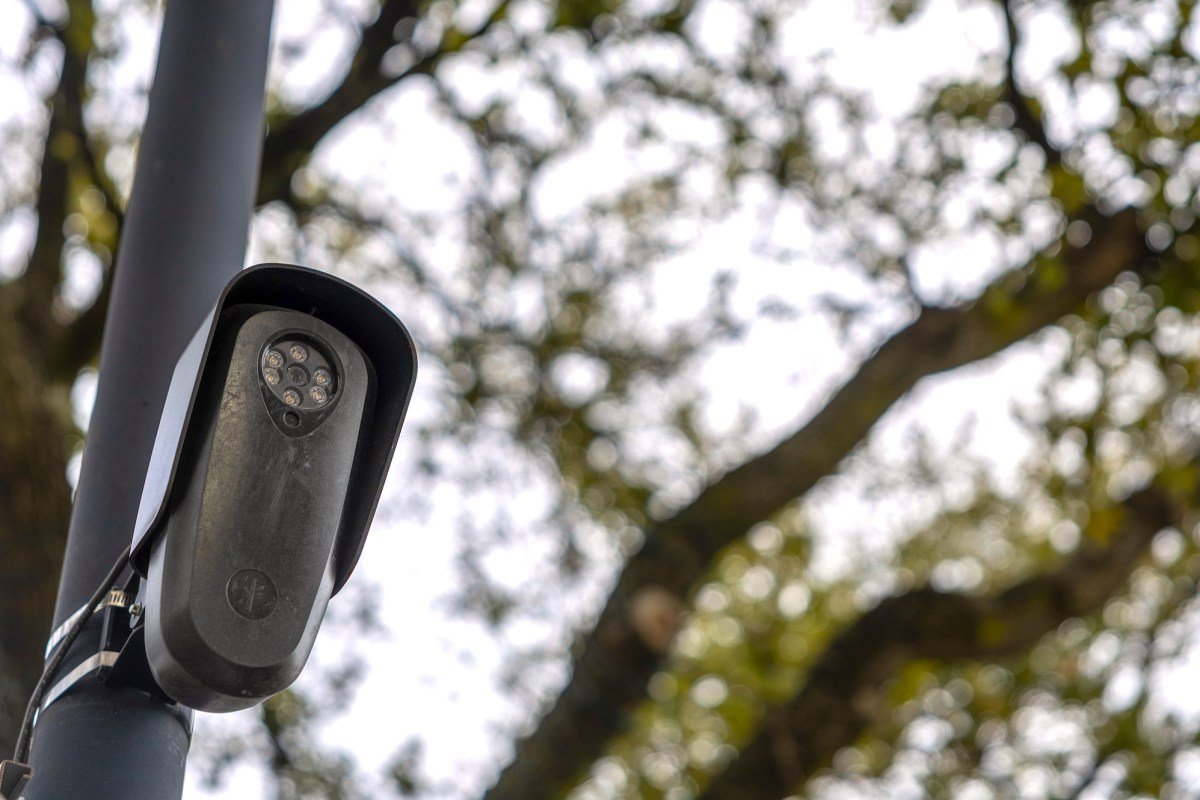
The Los Angeles Police Department (LAPD) is ending its relationship with US surveillance giant Flock Safety this Saturday, allowing its three-year contract to expire over severe civil liberties and data privacy concerns.
Why the LAPD is Axing the Surveillance Deal
Senior LAPD officials confirmed the decision, first reported by ABC7 and the Los Angeles Times, to sever ties with the Atlanta-based firm. The automated licence plate readers, which track vehicles across the United States, are owned and operated by Flock rather than the police department itself.
Dean Gialamas, the LAPD’s chief information officer, explained that the refusal to renew stems from significant worries regarding the collection and sharing of public data. He noted that the department faced a difficult choice but ultimately decided to halt the service until robust contractual safeguards regarding data security, privacy, and sharing are established.
While the LAPD has not officially detailed whether the existing cameras will immediately cease recording, reports indicate the department is pushing for stricter contractual clauses governing data retention and privacy protections.
A Growing Nationwide Backlash
As the third-largest police force in the US, the LAPD represents one of Flock’s most prominent government clients. However, Los Angeles is far from the only municipality to reconsider its reliance on the technology. Cities such as Mountain View, California and South Portland, Maine have previously severed ties. These decisions were driven by privacy anxieties and allegations that federal immigration authorities used the network to bypass local sanctuary city policies.
Flock spokesperson Holly Beilin admitted the company was caught by “surprise” by the LAPD’s decision. She stated that the firm remains confident it can resolve what it termed “misconceptions” behind the contract termination, though she declined to specify what those misconceptions were.
Flock currently operates a vast network of at least 80,000 cameras across the US, enabling law enforcement and federal agencies to monitor vehicular movements on an unprecedented scale.
Public Resistance and Systemic Flaws
The company’s rapid expansion has sparked fierce resistance from local communities. In some areas, residents have taken direct action, dismantling cameras or covering them with bin bags. Tension has escalated further in locations where Flock allegedly reinstalled devices without explicit permission from local authorities.
The Danger of False Positives
Beyond privacy concerns, the technology has been linked to dangerous operational errors. Independent researchers have identified a worrying rise in incidents where innocent motorists have been stopped, detained at gunpoint, or wrongfully jailed due to automated reader errors.
Recently, a journalist writing for the automotive outlet The Drive recounted how he was tracked for days and eventually cornered by armed police. A Flock camera had erroneously flagged the licence plate of his loan vehicle as stolen, demonstrating the real-world dangers of flawed data.
Critical Security Vulnerabilities
Flock has also faced intense scrutiny over its internal security practices. A series of data exposures previously allowed journalists from 404 Media to access live camera feeds of themselves via unsecured internet connections. US lawmakers have subsequently called for federal investigations, highlighting that many police logins lack basic multi-factor authentication.
Furthermore, abuse of the system remains a persistent issue. It was revealed by 404 Media that the US Drug Enforcement Administration (DEA) used a local officer’s login credentials without authorisation to conduct surveillance for immigration violations, highlighting the potential for widespread misuse of the platform.