

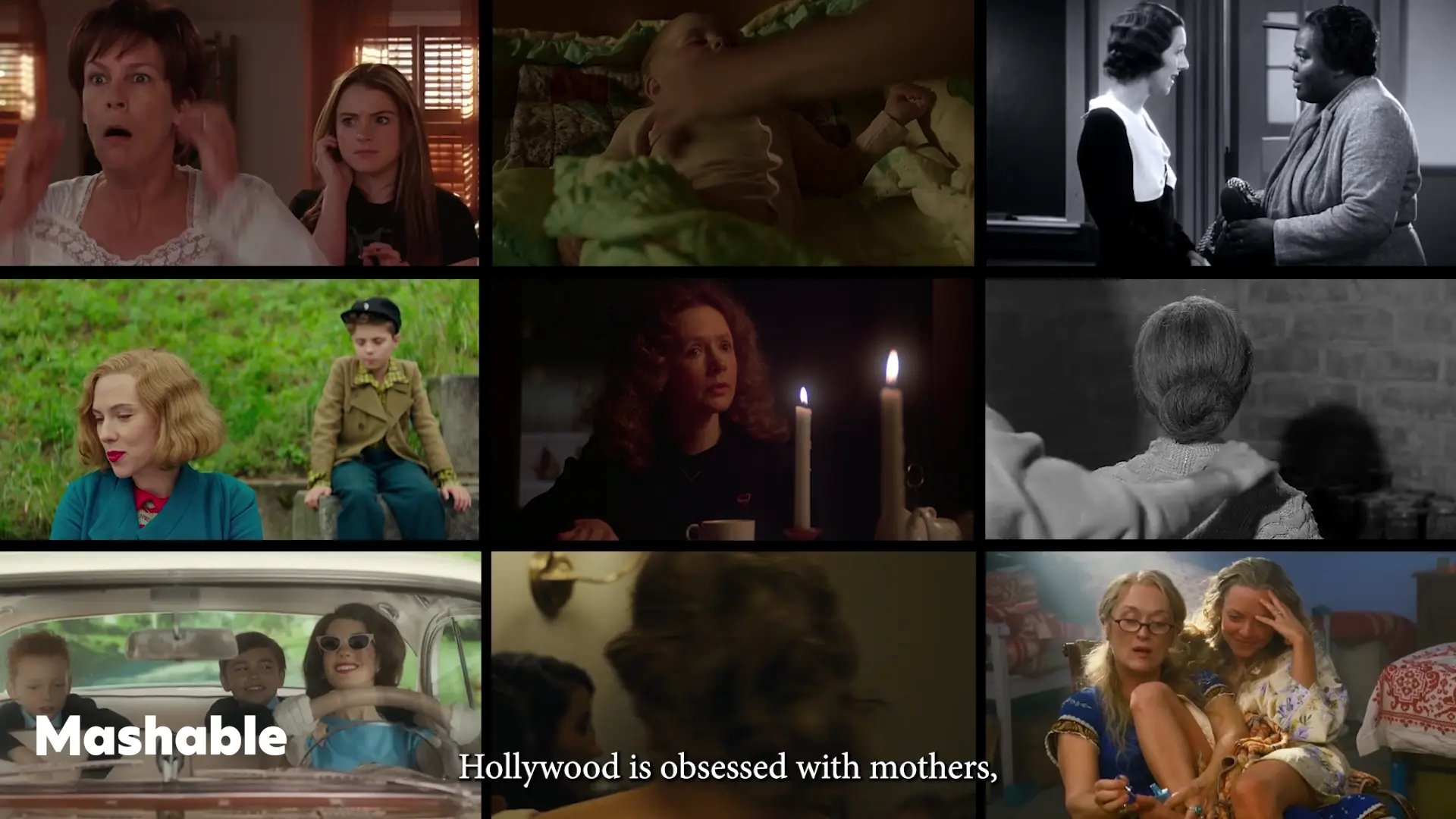
Hollywood studios and streaming platforms are rapidly dismantling the outdated “bad mother” stereotype in 2026, replacing toxic maternal caricatures with complex, realistic portrayals to satisfy modern audiences demanding authentic female representation.
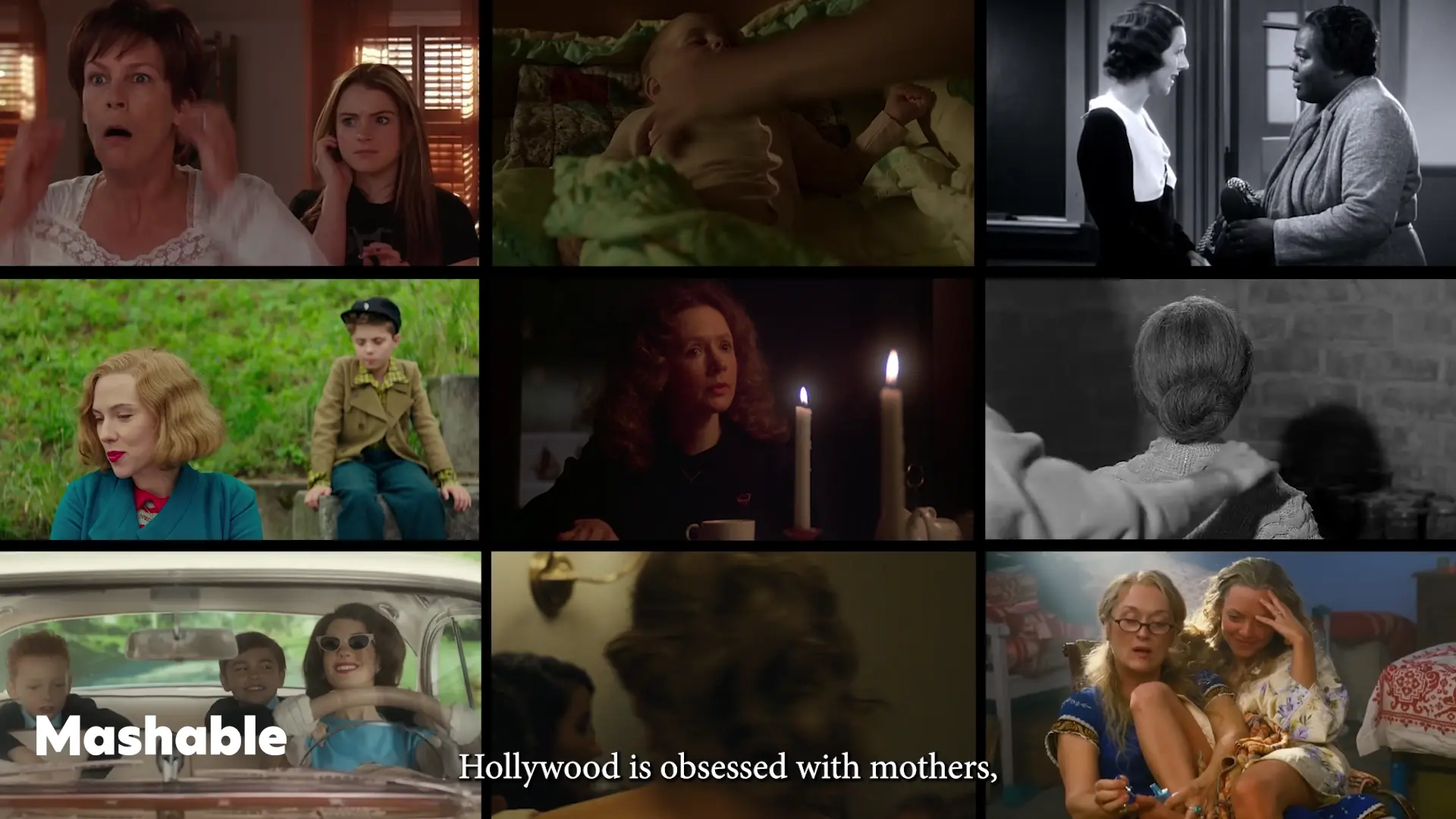
The Evolution of Maternal Narratives on Screen
For decades, mainstream cinema and television relegated mothers to two extreme, highly polarized categories: the saintly, self-sacrificing matriarch or the monstrous, abusive villain. This binary choice left little room for the actual lived experiences of women. Characters were either idealized beyond recognition or demonized for showing any semblance of ambition, fatigue, or personal identity outside of their children.
From Monstrous Caricatures to Complex Realities
Historically, the “bad mother” trope served as an easy narrative device to generate conflict or explain a protagonist’s trauma. From the cold, calculating mother figures in classic psychological thrillers to the overbearing, career-obsessed women in 1990s comedies, the message was clear: any deviation from total maternal domesticity was a moral failure. Today, screenwriter rooms are actively challenging this narrative by introducing characters who struggle with the overwhelming demands of parenting without being labeled as villains.
Why the ‘Perfect vs. Evil’ Dichotomy Is Failing
The sudden shift in how maternal figures are written stems from a broader cultural demand for authenticity. Modern viewers, particularly millennial and Gen Z demographics, reject idealized depictions of domestic perfection. Audiences now gravitate toward stories that explore postpartum depression, identity crises, and the genuine friction of balancing personal ambition with maternal responsibilities.
The Financial and Critical Drive Behind Nuanced Stories
This narrative pivot is not just a creative choice; it is a highly profitable business strategy. Film and television projects that embrace complex maternal figures consistently secure both critical acclaim and high viewership metrics. By allowing female characters to be flawed, exhausted, and deeply human, creators are unlocking richer storytelling opportunities that resonate globally, proving that authenticity is a powerful driver for box office and streaming success.
What the Future Holds for On-Screen Motherhood
As industry gatekeepers continue to diversify, the representation of motherhood is poised to become even more multifaceted. The rise of female directors, producers, and writers ensures that these stories are told from a place of genuine experience rather than external projection. The traditional “bad mother” trope is not just fading; it is being replaced by a sophisticated understanding that a mother can be deeply flawed and profoundly loving at the same time.