

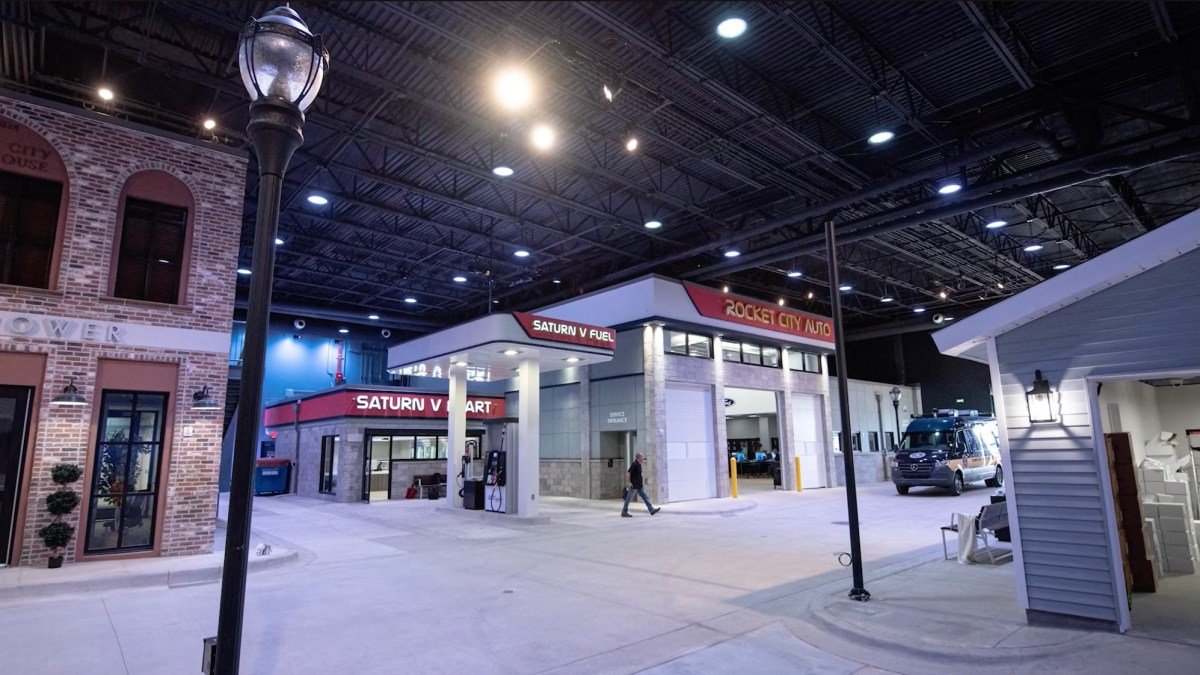
The Federal Bureau of Investigation (FBI) has unveiled a 22,000-square-foot replica town at its Huntsville, Alabama campus to train law enforcement officers in simulating and investigating critical real-world cyberattacks. This state-of-the-art facility provides a secure, hands-on environment for investigators to master the latest consumer and enterprise technologies, which are increasingly targeted by sophisticated cybercriminals.
Addressing a Growing Multi-Billion-Dollar Threat
This immersive training facility arrives at a critical moment for global cybersecurity. According to the FBI’s 2025 Internet Crime Report, which analysed over 1 million individual complaints, U.S. cybercrime losses reached a staggering record of $20.9 billion. This represents a 26% surge compared to the previous year, with ransomware identified as the most severe and persistent threat to critical national infrastructure.
Inside the Kinetic Cyber Range
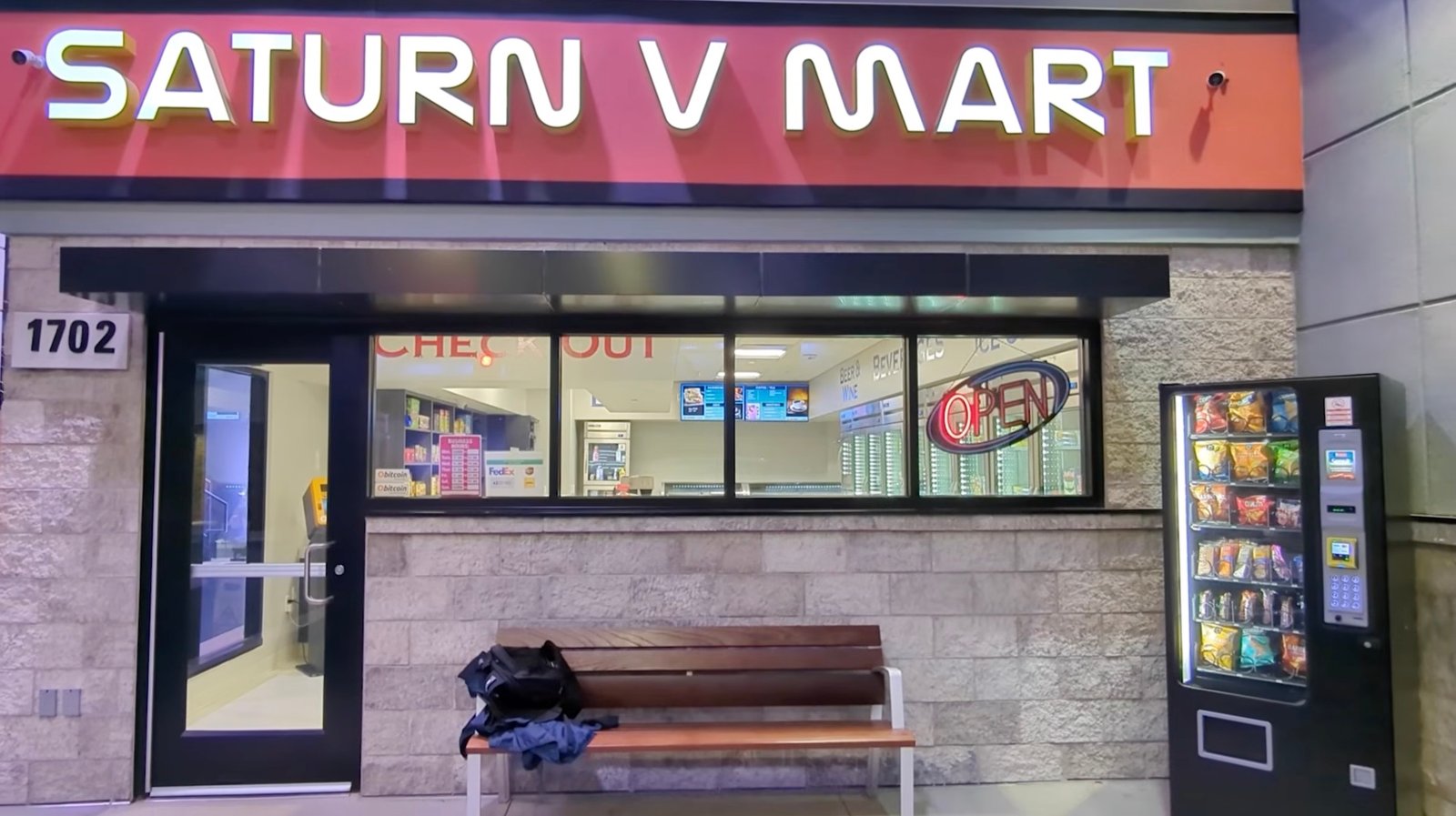
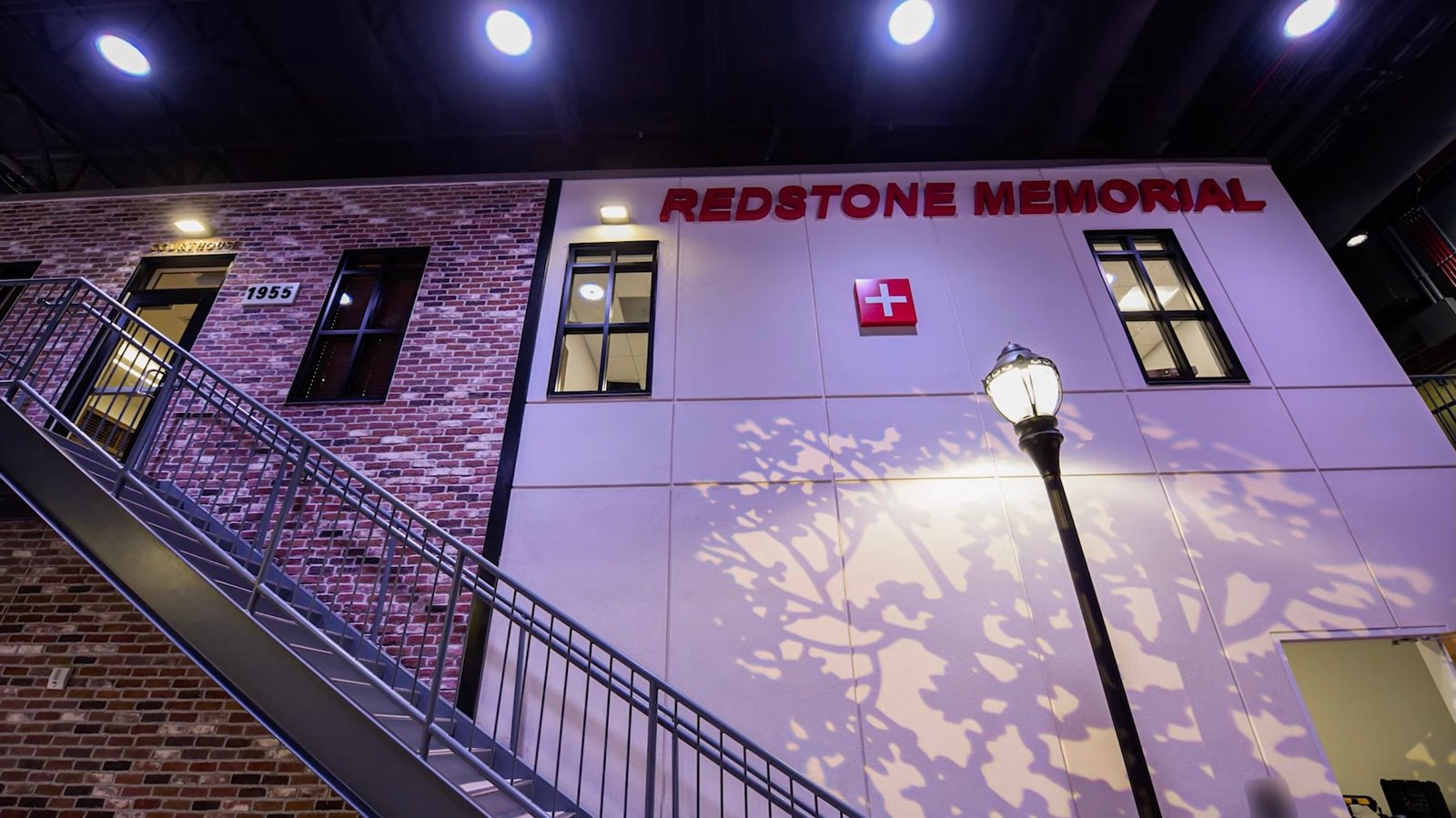
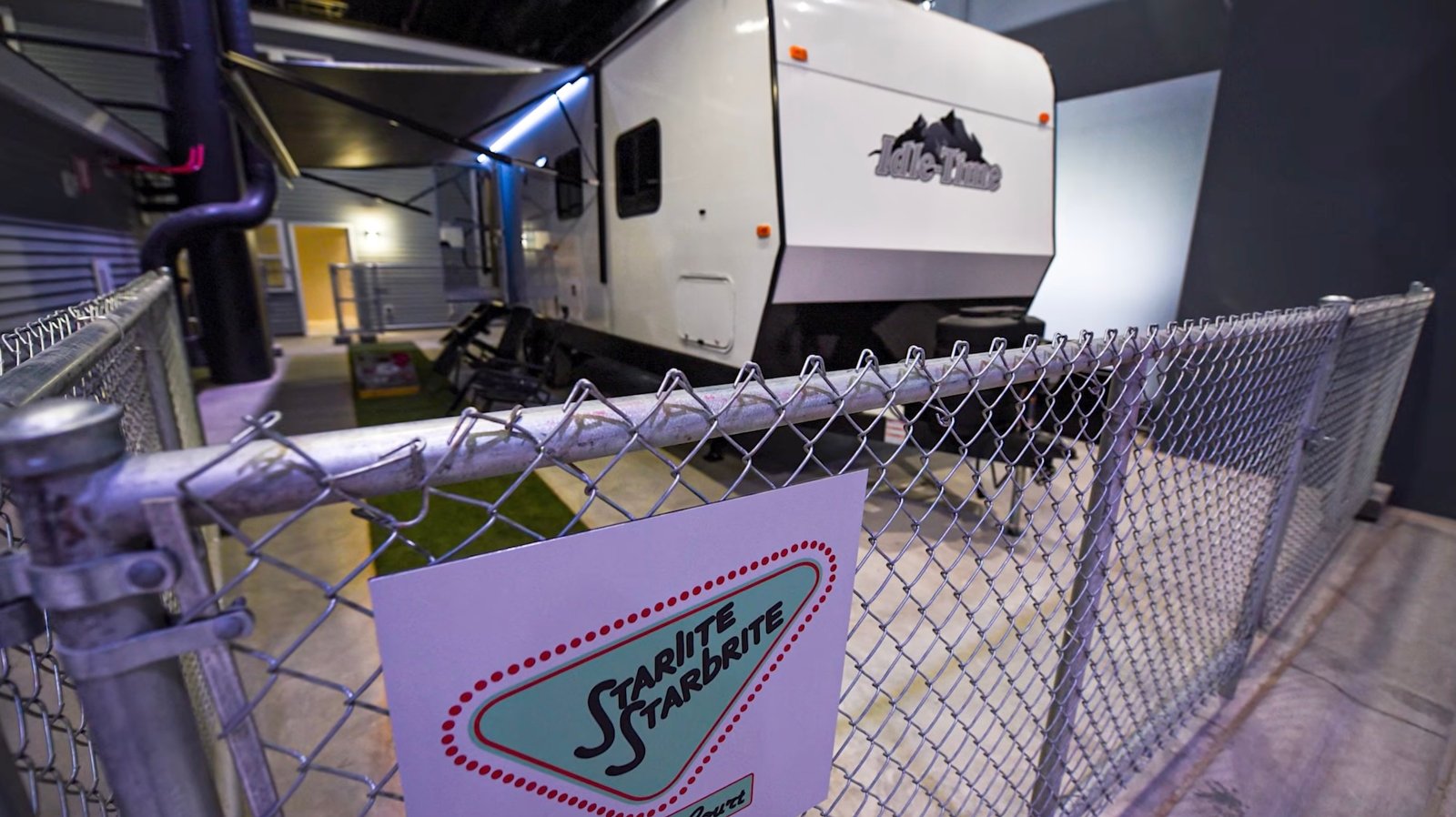
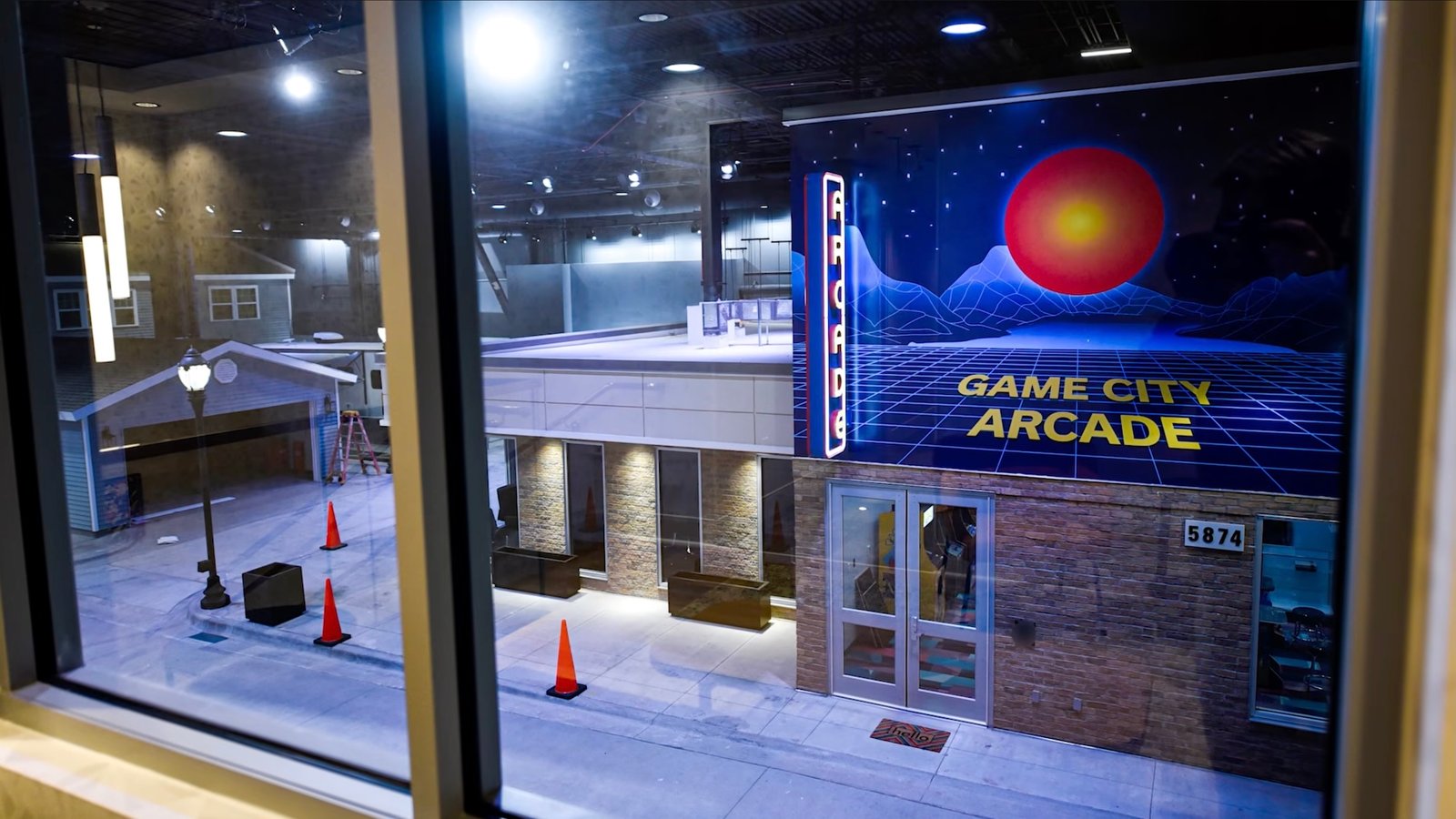
Officially opened in February 2025, the purpose-built miniature town is known as the Kinetic Cyber Range. Designed to closely mirror a standard American community, the site features fully furnished houses, a hotel, a petrol station, a grocery shop, a courthouse, a hospital, and a local power utility company, all connected by functioning roads and traffic lights. Since its launch, the facility has already trained more than 1,400 specialists, including FBI personnel and partners from various federal and local law enforcement agencies.
Every structure within the mock town is integrated with active devices and operational systems that behave exactly as they would in a real-world business or household. Crucially, the entire network is sandboxed, ensuring that any simulated cyber warfare or malware deployment remains completely contained within the facility.
Simulating High-Pressure Corporate Environments
To replicate the exact settings investigators encounter during real-world breaches, the mock town includes a dedicated data centre. This facility houses more than 200 physical servers running a mix of Windows and Linux operating systems, mirroring typical corporate IT environments.
Dave Beachboard, the programme manager for the range, highlighted the intentional discomfort of the training environment in the FBI’s official overview. “They’re cold, they’re cramped, they’re noisy, they’re dark, they’re miserable,” Beachboard explained, emphasizing the realistic conditions investigators face when executing search warrants or responding to active network compromises.
The Real-World Stakes of Ransomware
The mock town’s primary strength lies in its ability to simulate the cascading consequences of ransomware attacks. Trainees are forced to make split-second, high-pressure decisions when critical infrastructure—such as hospital systems going entirely dark—is compromised, threatening public safety and human lives.
The Controversial Side of Digital Forensics
Beyond incident response, the Kinetic Cyber Range serves as a testing ground for advanced digital forensics. U.S. investigators use the facility to practice bypassing the security protocols of modern, encrypted consumer devices to extract evidence for criminal prosecutions.
These forensic techniques remain highly controversial. The specialized tools used by law enforcement frequently rely on exploiting software vulnerabilities that have not been disclosed to manufacturers like Apple or Google, bypassing the built-in privacy and security protections designed for everyday users.