

AI-generated music is here, for better or worse.
Jeffrey Hazelwood/CNET
To evaluate how generative artificial intelligence is reshaping the creative landscape, I spent a grueling week listening exclusively to AI-generated music, only to discover that the technology strips the soul out of our most universal cultural touchstone. As an AI reporter and avid music lover who eagerly awaits Spotify Wrapped every year, I wanted to see if these artificial artists could truly compete with human creators. The experiment revealed that while the technology is highly sophisticated, the emotional outcome is incredibly hollow.
The tension between technology and musical creation is nothing new. For centuries, artists have debated the impact of innovation, from the introduction of phonographs to the mainstream adoption of synthesizers, autotune, and modern digital audio workstations. However, the current generative AI wave is fundamentally different. These models can produce entire songs from simple text prompts, yet they are trained on vast catalogs of human-made music, triggering intense legal battles and ethical concerns similar to those faced by writers, visual artists, and filmmakers.
The Sonic Experiment: Seven Days of Synthetic Sounds
For this self-imposed challenge, I restricted my daily listening strictly to tracks verifiably generated or altered by AI. While platforms offer an impressive variety of genres, my initial curiosity quickly turned into auditory fatigue. The vast majority of AI-generated pop music sounded shrill, squeaky, and entirely synthetic—the sonic equivalent of cheap plastic.
A significant portion of the trending AI tracks fell into electronic music categories. For EDM enthusiasts, these might hold some appeal, but to me, they mirrored the awkward experience of being trapped at a house party where an amateur DJ monopolizes the sound system. The repetitive techno and house beats only emphasized the robotic nature of the generation process, making it impossible to enjoy the tracks without the illusion of human intent.
Acoustic genres fared slightly better. AI-generated country and folk tracks featured surprisingly decent instrumental arrangements and acoustic textures, mimicking the styles of artists like Noah Kahan, Kacey Musgraves, and Luke Combs. In these moments, I found myself falling back into normal listening habits—identifying a catchy melody, adding it to a temporary playlist, and seeking comfort in predictability.
Naturally, the experiment led me to the bizarre corners of AI-generated audio on YouTube. The most memorable—or perhaps the least painful—was an 8-minute Game of Thrones disco track complete with a surreal music video, while my editor gravitated toward a Lord of the Rings version. These videos were undeniably hypnotic, largely due to the unsettling, surreal quality of the accompanying AI visuals.
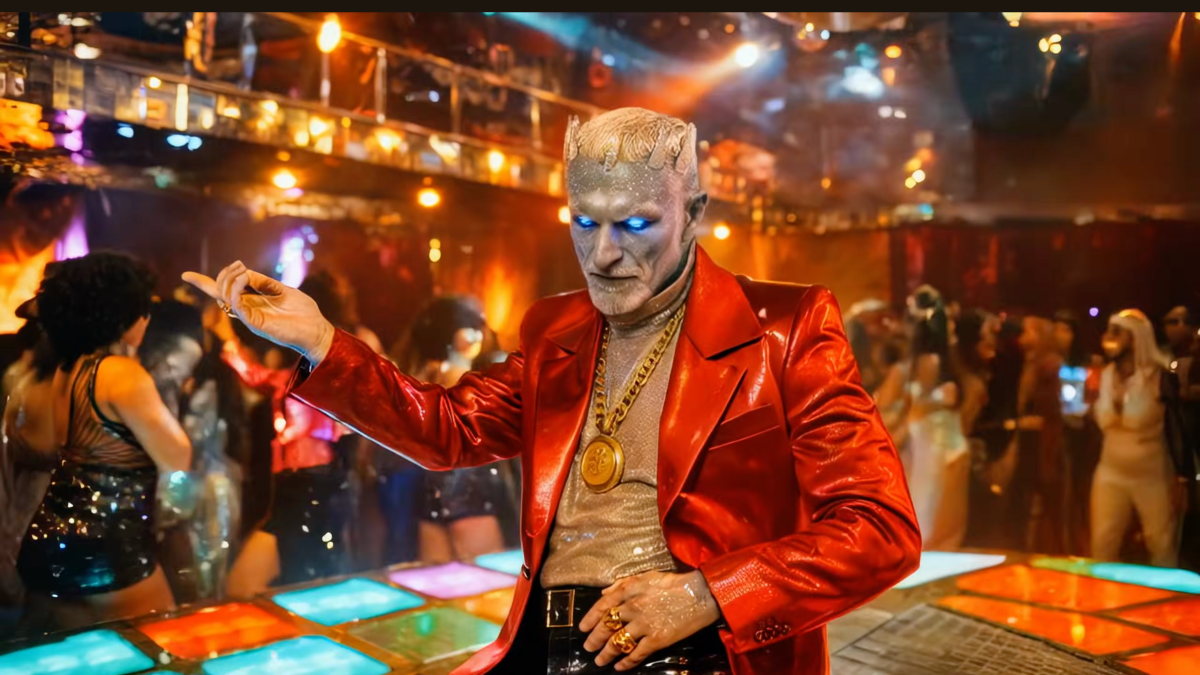
I have no idea what’s going on in this Game of Thrones music video, where white walkers dance like it’s the 1970s, but it was something.
WickedAI/Screenshot by CNET
The Evolution of Music Tech: From GarageBand to Generative Engines
According to Mark Ethier, founder of the music technology company iZotope and executive director of Berklee’s Emerging Artistic Technology Lab, AI is simply the latest chapter in a long history of musical automation.
“When GarageBand was introduced, people worried that dragging guitar, bass, and drum loops together meant anyone could instantly make a song,” Ethier explained. “What we are seeing today is the most extreme extension of that concept.”

While traditional tools like GarageBand were designed to assist and democratize music production, generative AI operates on a different scale. Users can generate complete, polished songs by typing a single sentence. The underlying technology relies on transformers and diffusion methods—similar to the architectures powering modern chatbots and image generators, as Suno co-founder Mikey Shulman noted in 2023.
This leap in capability makes professional-grade production faster and cheaper than ever, blurring the lines of creative ownership. “AI has dramatically lowered the barrier to entry, producing outputs that are nearly indistinguishable from studio recordings,” Ethier said. “The distinction between human effort and automated output is fading.”
This rapid commercialization has sparked massive growth. Platforms like Suno and Udio have quickly built massive user bases, with Suno surpassing 2 million paying subscribers, according to a milestone shared by its co-founder. However, this growth has triggered heavy pushback. Major record labels have filed lawsuits against both companies, alleging that they trained their models on copyrighted music catalogs without authorization or compensation.
The Science of Sound: Why We Connect with Music
Nostalgia and the Adolescent Brain
My overall music consumption plummeted during the experiment, leaving me feeling culturally isolated. However, I noticed a shift in my emotional response when I encountered a specific subset of AI-generated music: nostalgic covers. There is a clear neurological basis for this reaction.
Joy Allen, a music therapist and director of Berklee’s Music and Health Institute, notes that music heard during adolescence leaves a permanent imprint on our brains. During these formative years, our highly receptive brains process music across multiple regions simultaneously, tying melodies directly to hormone-driven emotional and physical responses.
“Listening to music activates far more than just the auditory cortex; it triggers emotional processing and physical feedback loops,” Allen explained. “Our brains thrive on patterns, chord structures, and melodic predictability.”
Having grown up listening to Taylor Swift, I was surprised by how strongly I reacted to AI-generated covers of her discography. Reimagining her tracks in different styles—such as a pop-punk version of “You Belong With Me” reminiscent of 5 Seconds of Summer—offered a powerful hit of nostalgia. It was the only AI track that lingered in my head after the music stopped.
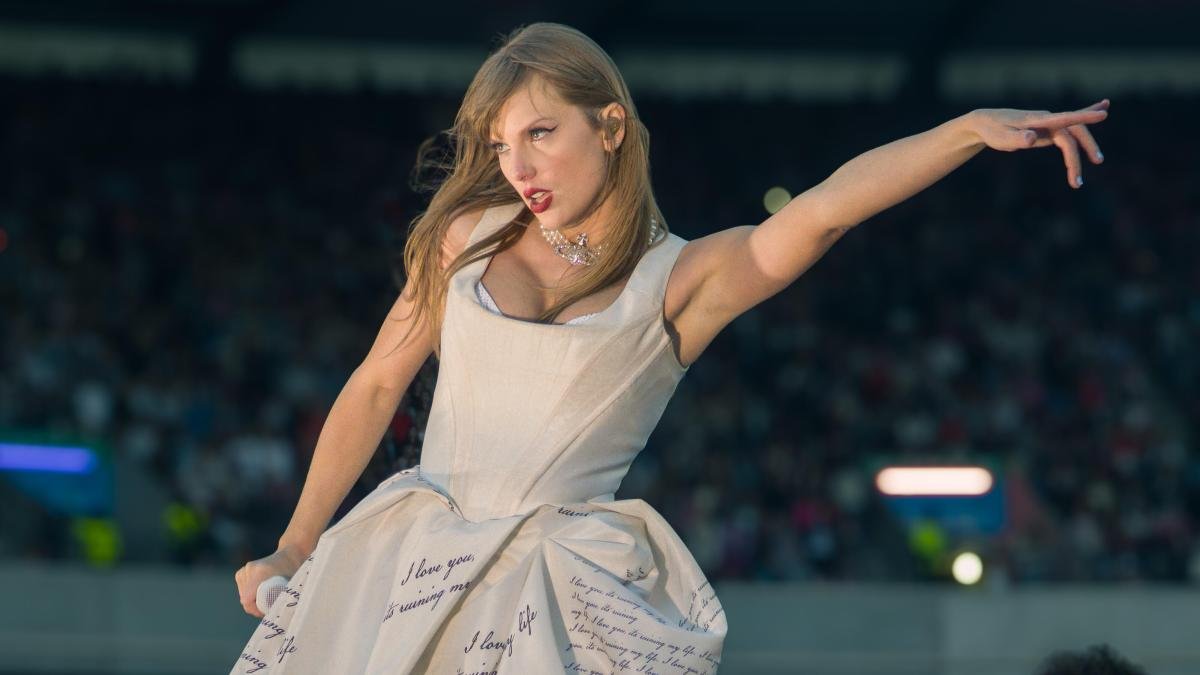
Nothing like Taylor Swift for a good dose of nostalgia.
Katie Collins/CNET
While these covers were the most tolerable part of my week, they ultimately felt like cheap imitations. An AI-generated folk version of “All Too Well” could not compete with the raw emotion of a live acoustic performance in a local coffee shop, or the genuine creativity of indie musicians sharing their work on social media. Human covers honor the original artist; AI covers feel like hollow mimicry.
Why AI-Generated Music Fails to Connect
An Isolating, Superficial Experience
Throughout the week, AI music functioned primarily as white noise. I constantly felt tempted to close my generation apps and return to human-made playlists. By the end of the experiment, I preferred the ambient sounds of traffic and birds outside my window to the artificial arrangements of generative models.
As AI tools integrate deeper into our cultural channels, they present a unique challenge to the music industry. Streaming giants like Spotify and Apple Music are currently grappling with an influx of AI-generated content, trying to establish clear rules regarding monetization, licensing, and platform eligibility. The legal and practical realities for working musicians have become incredibly complex.
“For modern creators, navigating these tools is highly complicated,” Ethier observed. “In the past, you simply picked up an instrument and played. You didn’t have to worry about how that instrument was trained, or whether it claimed ownership over your performance.”
Ultimately, music is a social and emotional medium. Stripping away the human element removes the shared experiences, live performance variations, and fan communities that make art meaningful. The AI songs I connected with only worked because they borrowed the emotional weight of human-written lyrics I have loved for decades. Without that pre-existing human connection, the music is entirely empty.
Spending a week listening exclusively to AI music highlights how quickly generative tools are advancing, but it also underscores the irreplaceable value of human artistry. Mimicking the structure of a song is not the same as expressing a genuine human experience.