

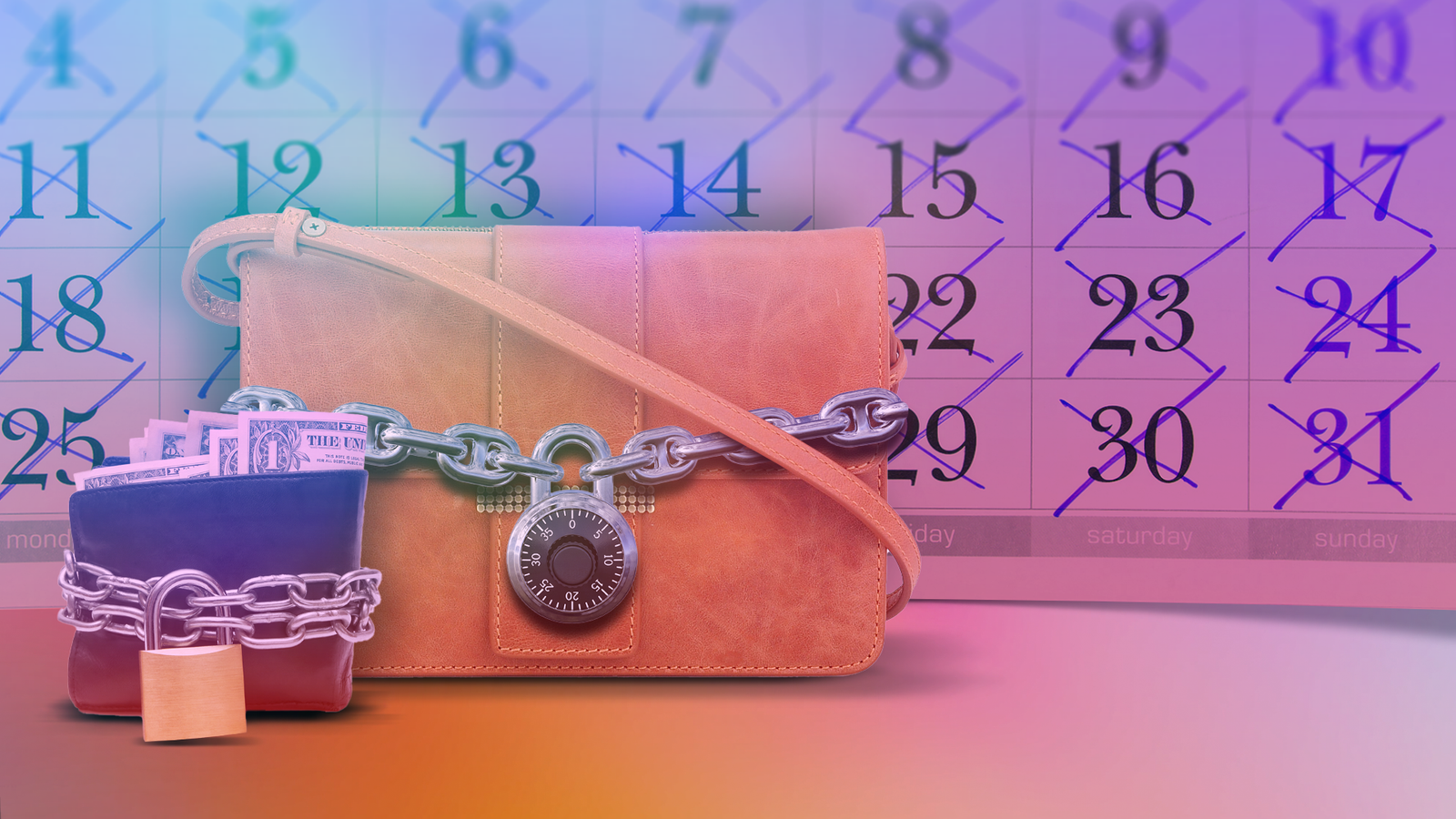
Buying only the basics was easier — and way more fun — than I ever thought it could be.
Jeffrey Hazelwood/CNET
Social media users worldwide are launching “No-Buy July” this summer to help consumers combat soaring living costs and curb overconsumption by pausing all non-essential spending.

Also referred to as “low-buy July”, this trending financial challenge does not demand a complete spending freeze. Essential outgoings such as housing, groceries, and utilities remain unavoidable, but the movement encourages a highly calculated approach to budgeting and prioritising discretionary purchases.
Similar to New Year’s resolutions, these financial challenges serve as a cognitive reset—a structured, motivational strategy to dismantle poor spending habits. Amidst relentless price hikes, re-evaluating where every pound goes has never been more critical.
When I recently undertook a 30-day no-buy challenge, the results exceeded simple budget trimming. It radically altered my psychological relationship with money.
Understanding the ‘Low-Buy’ Trend
A vital aspect of these challenges is their high level of customisation. Some participants focus on discovering free hobbies and low-cost lifestyles, while others seek to detox from online shopping temptations and targeted digital ads.
To navigate my financial fast, I established clear boundaries between absolute necessities and optional extras, whilst allowing a few realistic concessions to prevent burnout.
My Personal Blueprint: The Rules of the Challenge
The Essentials (What I Allowed Myself to Buy)
- ✔️ Housing and utilities
- ✔️ Car and home insurance
- ✔️ Internet and phone bills
- ✔️ Student loan payments
- ✔️ Essential groceries and personal care items
- ✔️ Financial emergencies (such as urgent car repairs)
- ✔️ Fuel
For essential purchases like groceries, I enforced a strict rule: only buy absolute necessities. Replenishing basic pantry items was permitted, but I had to creatively use up existing ingredients before purchasing anything new.
My Frugal Exceptions (Personal Allowances)
- ✔️ Pre-planned events (e.g., hosting a dinner party, attending a concert with pre-purchased tickets)
- ✔️ Streaming subscriptions (restricted to one for music and one for television/films)
- ✔️ Charitable donations
For pre-scheduled events, frugality was key. Instead of buying new glassware for a dinner party with friends, I used the BuyNothing platform to source free items. To avoid expensive event parking, I booked a cheaper spot further away in advance.
The Strict No-Go List (Things I Banned)
- 𝗫 Dining out and takeaways
- 𝗫 Paid entertainment and activities
- 𝗫 Discretionary purchases (e.g., new clothes, concert merchandise)
- 𝗫 Home or car repairs I could safely manage myself
- 𝗫 Services I could easily perform on my own
Crucial Lessons from a Month of Mindful Spending
Far from a simple short-term fix, this experiment acted as a profound reset, exposing my financial blind spots and fostering healthier, long-term habits.
1. The High Cost of Convenience
Paying closer attention to my outgoings revealed just how much I was spending to avoid minor inconveniences.
For instance, professional dog grooming costs nearly £100. Despite finding the task tedious, I retrieved an unused pet clipper set from my cupboard and did it myself. While the aesthetic was not quite show-dog standard, it was perfectly respectable.
Similarly, ordering food deliveries is an easy escape from cooking after a long workday. However, the cost of a single takeaway order—including delivery fees and tips—could easily fund a week of home-cooked meals if I simply committed to utilising the ingredients already in my kitchen.
2. Rediscovering the Joy of Free Entertainment
Restricting my entertainment budget forced me to diversify my leisure time, leading to far more rewarding hobbies.
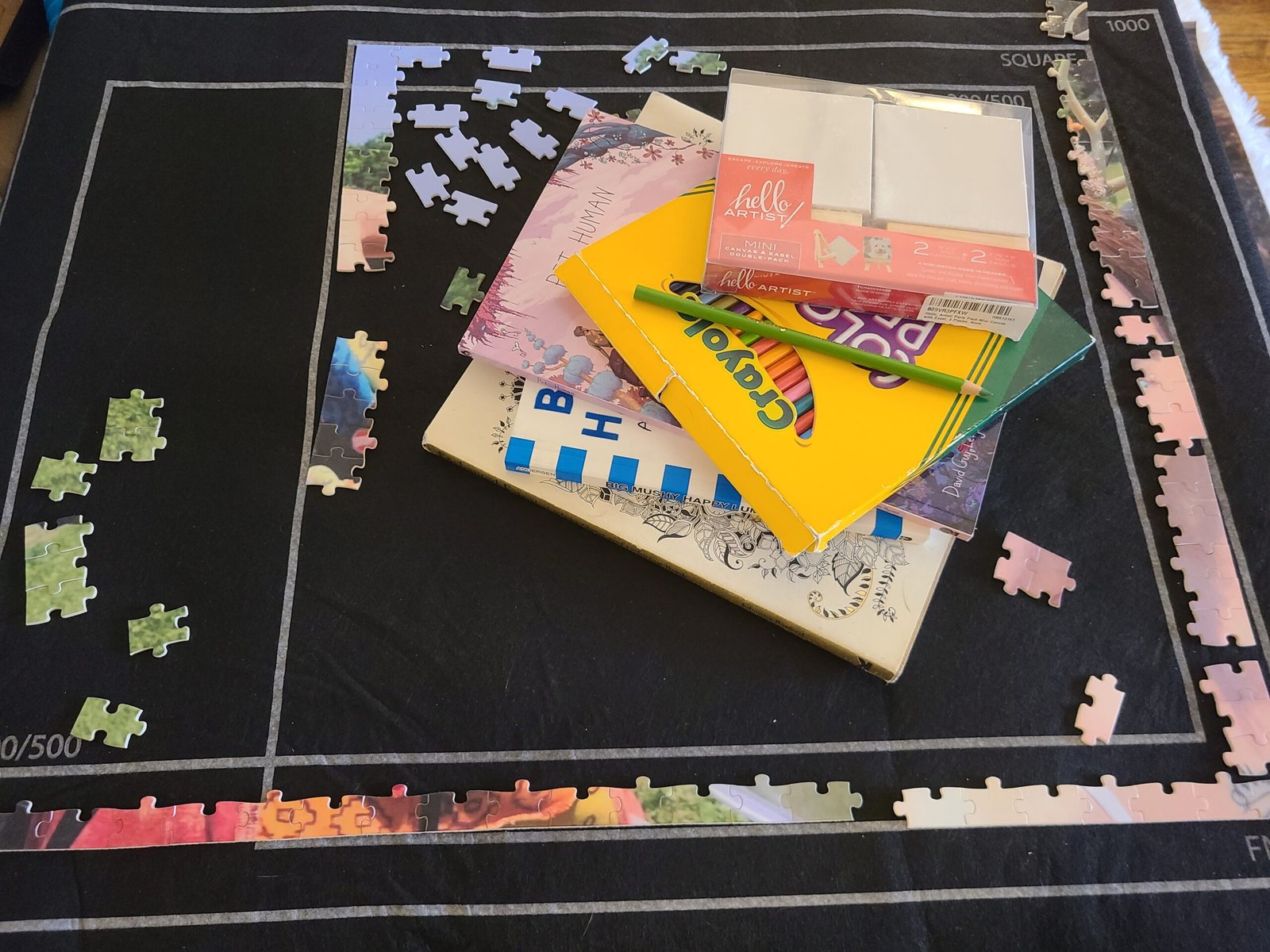
Relying on paid entertainment kept distracting me. Turns out I had a ton of fun stuff to keep me busy.
Kelly Ernst/CNET
By cancelling all but two streaming platforms, I stopped mindlessly scrolling through television menus. Instead, I completed long-abandoned craft projects, tackled jigsaw puzzles, coloured, repotted my house plants, and finally listened to my backlog of audiobooks. Engaging my hands and mind in active hobbies proved far more fulfilling than passive screens.
3. Socialising Without Splurging
I had not realised how frequently my social life revolved around spending money. Catching up with friends almost always involved booking expensive dinners, drinks, or events.
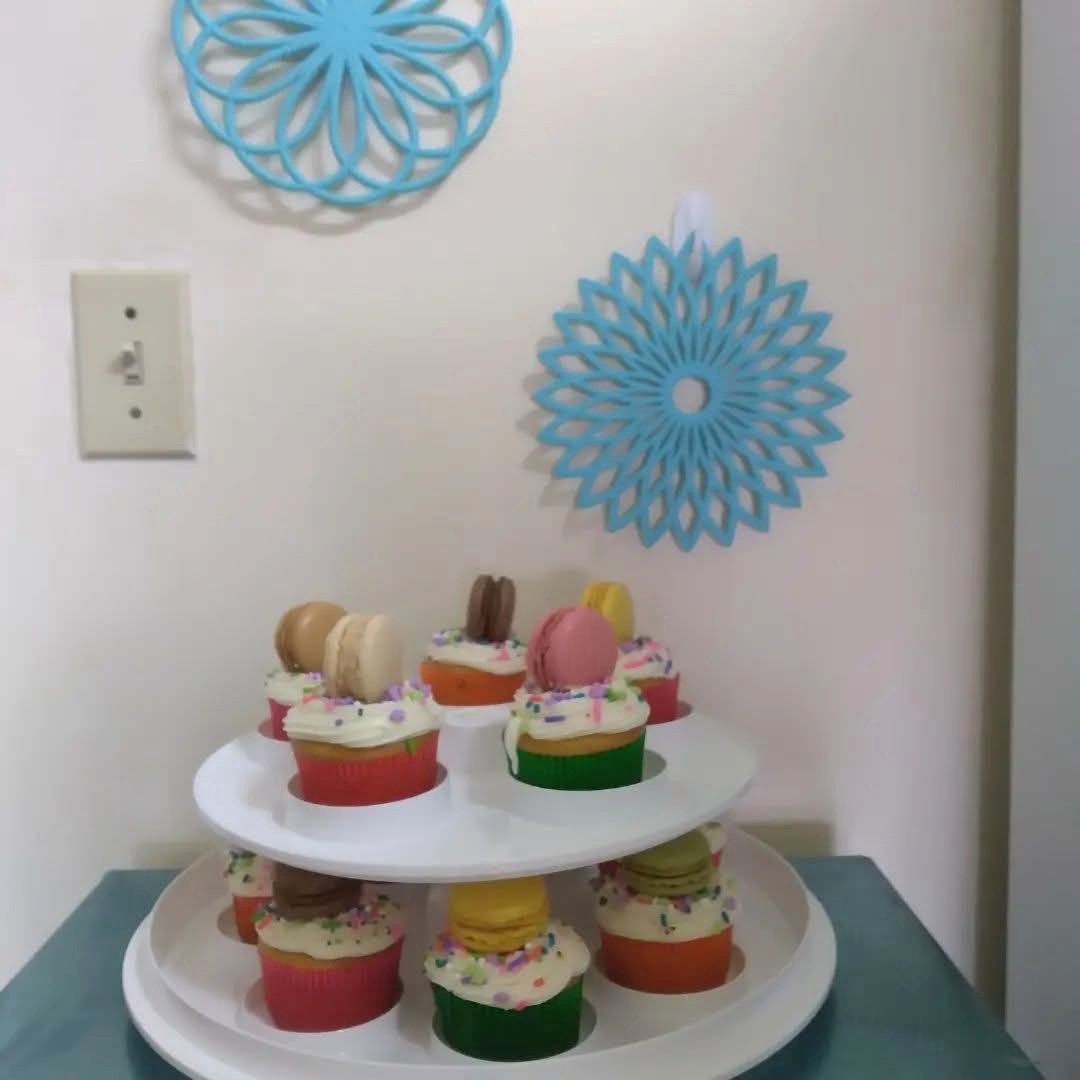
Forget the pricey restaurant outings — a potluck birthday party was way more fun (and a great excuse to try a new cupcake recipe).
Kelly Ernst/CNET
Reverting to the low-cost social habits of my twenties proved eye-opening. Hosting board game nights and bring-your-own-food dinner parties at home was vastly more enjoyable than trying to converse in noisy, crowded restaurants. My friends felt the same relief, enjoying the lack of pressure to buy expensive cocktails just to spend time together.
4. Prioritising What Truly Matters
Eliminating mindless spending freed up both capital and mental space for experiences that offer genuine emotional value.
When my partner was invited to an out-of-town surprise celebration, I initially hesitated due to the cost. However, the opportunity to connect with his close friends and visit his hometown was invaluable. I could easily accommodate the trip’s expenses because I had successfully eliminated unnecessary spending elsewhere.
The Financial Payoff and Beyond
By the end of the month, I had saved over £100 compared to my usual monthly outgoings, redirecting those funds straight into my emergency savings account.
Although the formal challenge has concluded, the cognitive shift remains. I no longer order takeaways, purchase films, or click ‘buy now’ on impulse. The experiment provided the precise financial reset I required, proving that spending less can significantly enrich your life.