

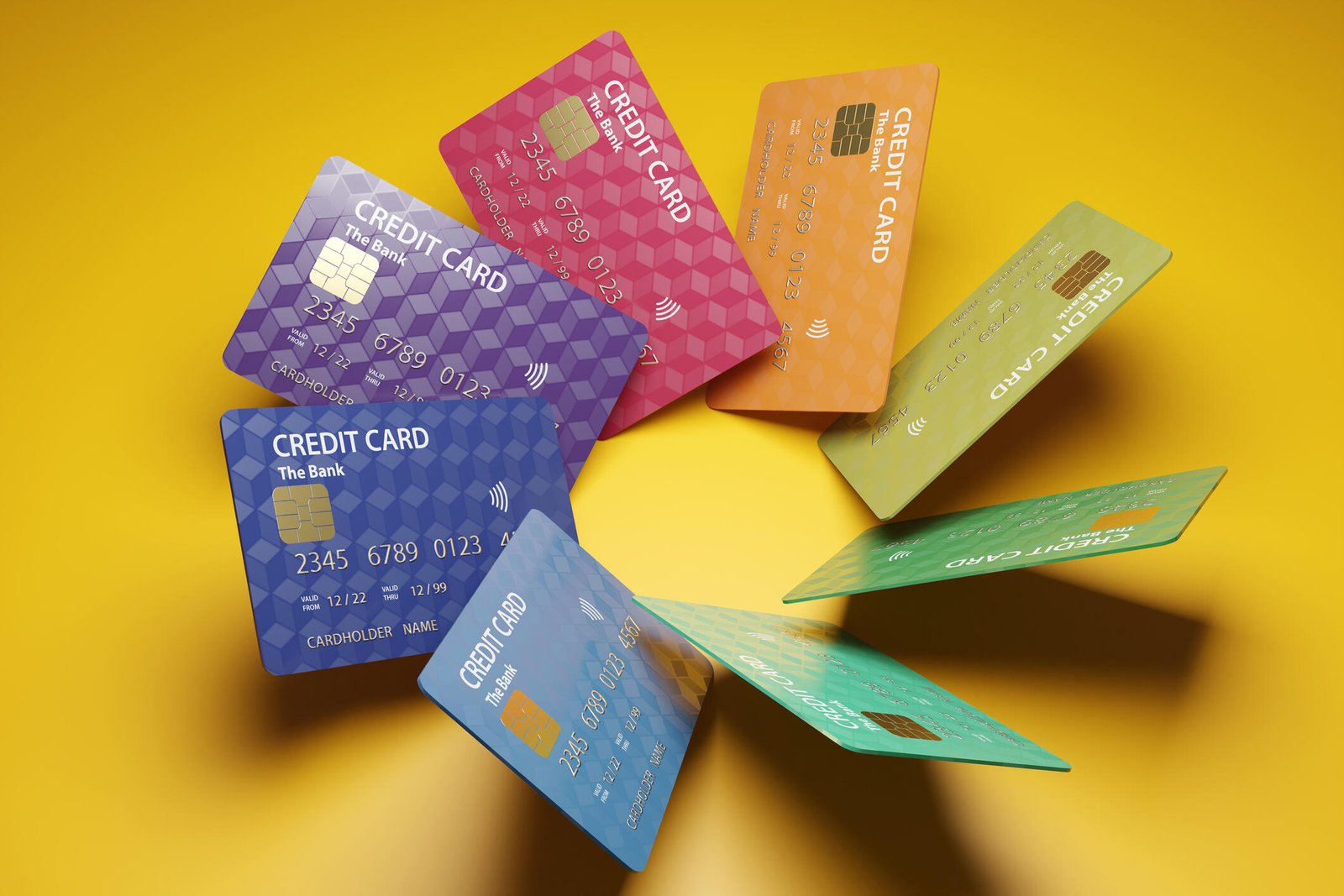
American consumers struggling with poor credit can immediately begin rebuilding their financial standing today by strategically utilizing specialized credit-builder cards to establish positive payment histories. Whether a low score stems from a lack of credit history or past financial missteps, regular and responsible card use remains one of the most effective paths to recovery.
The primary challenge for individuals with a subprime score is securing approval in the first place. While major issuers typically reserve their premier rewards and high limits for applicants with excellent credit, several specialized secured and non-traditional credit cards are specifically structured to help high-risk borrowers improve their standing.
However, the credit-rebuilding market contains both valuable tools and predatory offers. Carefully vetting each card’s terms before submitting an application is crucial to avoid costly traps.
Understanding Credit Cards Designed for Rebuilding Credit
A credit card tailored for bad credit features highly accessible approval requirements. While these cards generally lack robust rewards programs or premium perks, their core purpose is to elevate your credit score so you can eventually qualify for prime financial products.
Credit scores are calculated using different credit scoring models. The two primary models dominant in the financial industry are FICO and VantageScore. Understanding where your score falls within these ranges helps target the right cards.
FICO vs. VantageScore: How Lenders Evaluate You
| FICO Range | VantageScore Range |
|---|---|
| Poor: 300 to 579 | Subprime: 300 to 600 |
| Fair: 580 to 669 | Near prime: 601 to 660 |
| Good: 670 to 739 | Prime: 661 to 780 |
| Very Good: 740 to 799 | Superprime: 781 to 850 |
| Exceptional: 800 to 850 | — |
Monitoring your current standing is the first step toward improvement. You can access your score for free through various credit monitoring services, banking applications, or card issuers. Additionally, federal law allows you to retrieve free weekly credit reports from the three major credit bureaus—Equifax, TransUnion, and Experian—via annualcreditreport.com. Reviewing these documents ensures you can quickly dispute any inaccuracies.
Who Benefits Most From a Credit-Rebuilding Card?
Anyone with a credit score below 670 should actively consider a dedicated credit-building tool. Lenders rely on credit scores to assess risk and determine the interest rates and terms for major loans, including mortgages, auto financing, and student loans. Consequently, maintaining a healthy score is vital for long-term financial stability.
The Pros and Cons of Subprime Credit Cards
Key Advantages:
- Accelerated credit score recovery.
- Opportunity to establish disciplined financial habits.
- A stepping stone toward premium financial products.
Potential Drawbacks:
- Minimal to no rewards, cash-back, or travel perks.
- Higher annual percentage rates (APRs) on carried balances.
- Risk of further credit damage if payments are missed.
Key Factors in Selecting the Right Credit-Building Card
Finding the right card requires analyzing eligibility criteria, fee structures, and the potential to upgrade to a better product over time.
1. Approval Odds and Eligibility Criteria
Cards in this category feature lenient underwriting standards. Some alternative issuers evaluate income, employment status, or banking history rather than relying solely on traditional credit scores. Alternatively, secured credit cards require a refundable security deposit that serves as collateral and typically dictates your initial credit limit.
2. Credit Bureau Reporting Policies
A credit-building card is only effective if the issuer reports your payment history to Equifax, Experian, and TransUnion. Consistently paying your balance in full and keeping your credit utilization below 30% of your limit will maximize the positive impact on your credit profile.
3. Fee Structures and Hidden Costs
Some subprime cards carry high maintenance fees, application fees, or steep annual costs. Always review the terms and conditions to avoid accounts that drain your money through hidden charges.
4. Clear Graduation and Upgrade Paths
Many issuers offer a path to transition from a secured card to an unsecured card once you demonstrate consistent, responsible behavior. This transition allows you to reclaim your initial deposit while keeping the account history active.
Step-by-Step Guide to Securing a Card with Poor Credit
Borrowers with poor credit can target specialized subprime cards immediately or focus on raising their FICO score to at least 580 (fair credit) or 670 (good credit) to unlock superior options. Reaching these milestones grants access to cards featuring introductory APRs, welcome bonuses, and cash-back rewards.
Best Practices for Accelerating Your Credit Score Growth
Establishing a flawless payment history is the single most effective way to raise your score. Treating your credit card like a debit card—only spending money you currently have in your bank account—prevents high-interest debt accumulation.
To optimize your credit-building strategy, implement these core habits:
- Submit payments on time: Always pay at least the minimum amount due by the deadline to avoid late fees and negative reporting.
- Maintain low balances: Keep your credit utilization ratio under 30% of your total limit. Paying your balance in full monthly is the ideal approach.
- Keep inactive accounts open: If you have older cards with no annual fees, keep them open. The length of your credit history significantly influences your score, and keeping these lines open lowers your overall utilization. Use them occasionally for small purchases to prevent closure due to inactivity.
Alternative Financial Tools for Building Credit
While credit cards are highly accessible, paying off auto loans, student loans, or mortgages also builds positive credit. Another viable alternative is a credit-builder loan. Unlike traditional loans, these require you to make set monthly payments into a savings account first, and the lender releases the accumulated funds to you once the loan term is complete, reporting your on-time payments throughout the process.
Frequently Asked Questions About Credit Repair
What FICO score is officially classified as ‘bad credit’?
FICO defines any score below 580 as poor or bad credit. This rating often results from bankruptcies, accounts sent to collections, missed payments, or identity theft.
How do secured and unsecured credit cards differ?
Unsecured cards do not require collateral and are granted based on creditworthiness. Secured cards require a refundable security deposit that serves as the credit limit, minimizing risk for the lender while allowing the borrower to build credit.
Is it possible to qualify for a credit card post-bankruptcy?
Yes. Although a bankruptcy remains on your credit report for seven to 10 years, you can apply for secured credit cards once legal proceedings conclude. Starting with a modest limit, such as $200, and demonstrating consistent payment habits will gradually restore your credit profile.
Additional Resources for Credit Management
- Is ‘Bad’ Credit Holding You Back? 9 Side Effects of a Low Score and How to Fix It
- How Have I Kept an 800+ Credit Score for the Last Decade? Here’s My Secret
- 6 Important Dates to Know for Your Credit Cards
- Ask the Experts: Is It True You Should Never Close a Credit Card?