

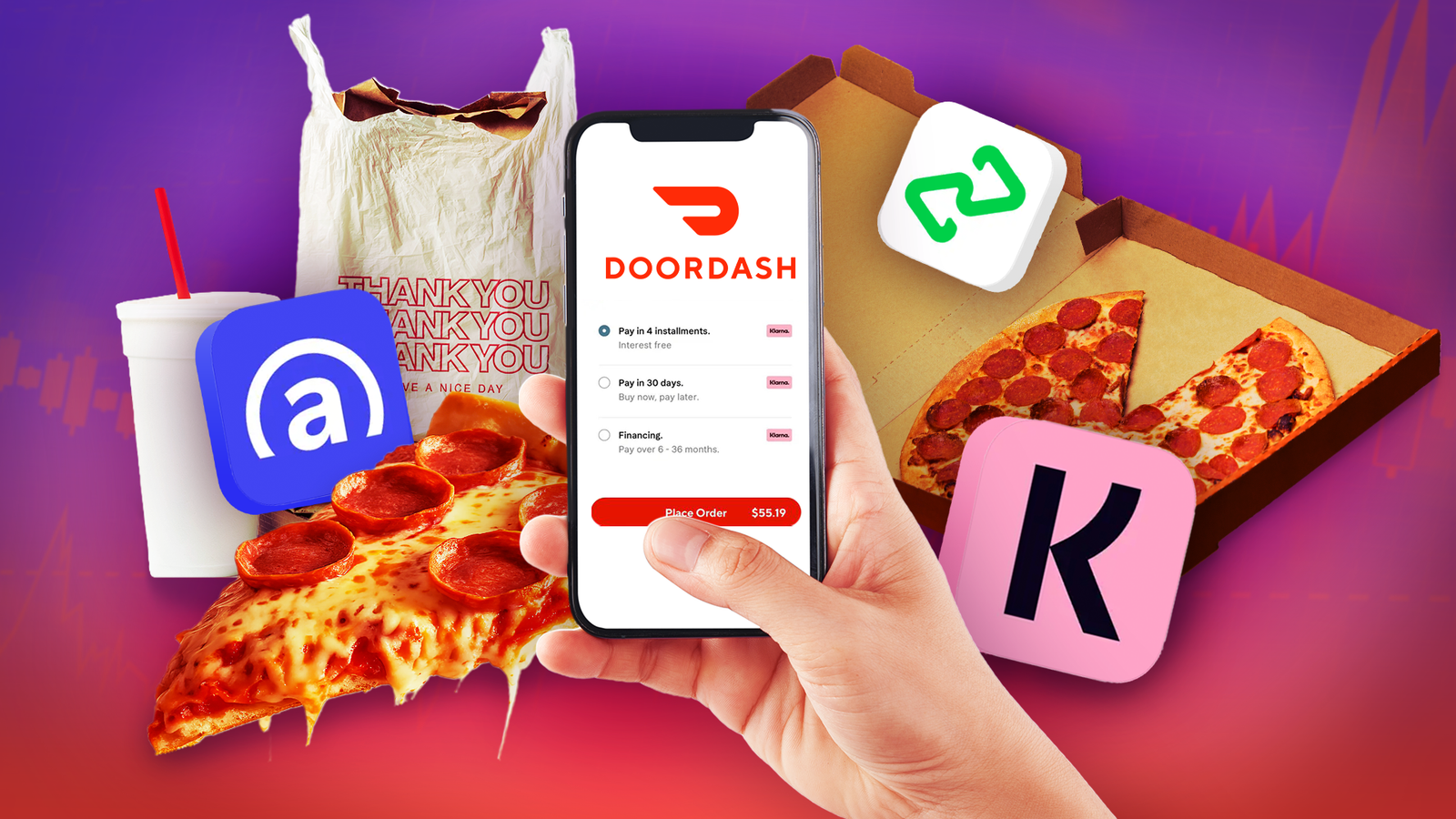
Food delivery giant DoorDash has recently teamed up with buy now, pay later (BNPL) provider Klarna to allow customers to finance takeaways and groceries in four instalments, sparking widespread criticism over the financial risks of using micro-loans for everyday essentials.
While busy consumers are the obvious target demographic for this new venture, the concept of dividing a fast-food order into bite-sized payments is highly concerning. There was a time when the option to defer payment on a Thai takeaway would have been incredibly tempting, albeit financially damaging. Ordering food online remains a common indulgence, but scaling back on delivery is often the first necessary step when tightening a household budget.
BNPL services like Klarna present an easy way to purchase items beyond our immediate means, especially with their interest-free marketing. However, this frictionless appeal is precisely what makes them so risky. Splitting a payment into smaller chunks lowers psychological barriers, making it far too easy to complete a transaction. Human psychology naturally prioritises immediate gratification while ignoring future financial consequences.
The Rise of “Burrito Bonds” and Financial Strain
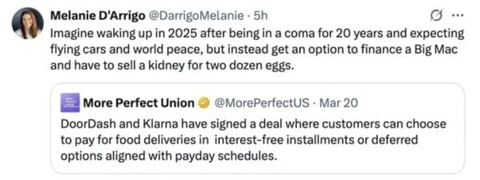
The collaboration between DoorDash and Klarna immediately faced intense backlash online, with social media users mocking the concept of “burrito bonds” and “eat now, pay later” schemes.
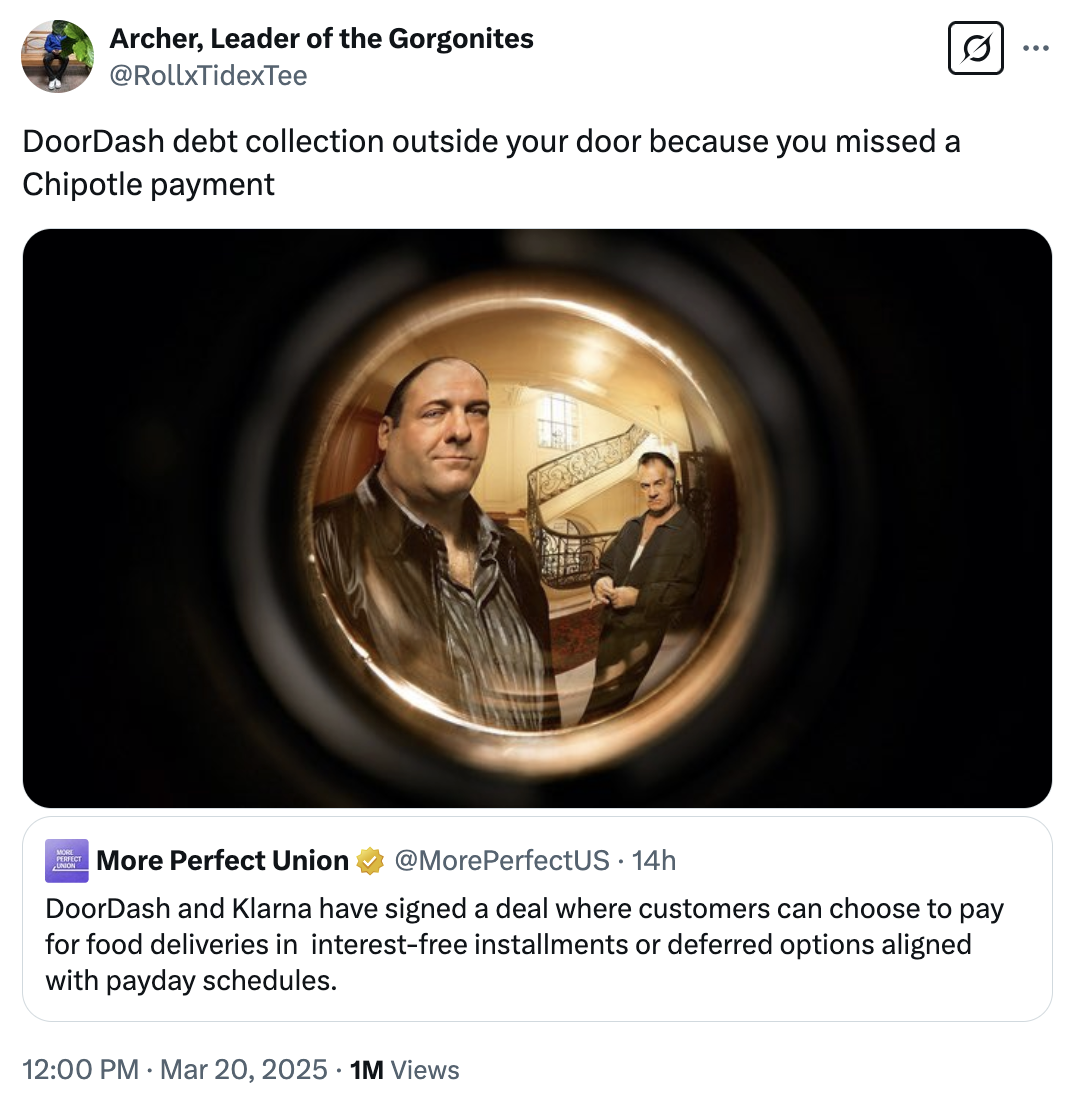
Beyond the memes, critics argue that offering short-term loans for everyday meals is a worrying symptom of broader economic hardship. Historically, instalment plans were reserved for high-cost, durable goods like washing machines or furniture. Applying this model to perishable food and basic groceries risks exploiting vulnerable consumers trying to manage basic living costs.
“The more we normalise these payment methods, the more hazardous they become,” warns Jen Smith, financial expert and co-author of Buy What You Love.
Understanding the mechanics of BNPL is crucial before using these applications for either small treats or larger purchases.
Why BNPL Scrambles Your Monthly Budgeting
BNPL providers frequently market themselves as tools to simplify budgeting for cash-strapped households. However, they often introduce significant budget instability, particularly during times of economic uncertainty and potential job losses.
Early experiences with BNPL often highlight a common pitfall: failing to track deferred payments within a monthly budget. It is easy to assume you have surplus cash, only for automated instalments to deduct from your account unexpectedly, pushing your balance into the red.
Without meticulous tracking, these future payments can trigger bank overdraft fees or force you to rely on high-interest credit cards to cover other essential expenses. Accumulating multiple micro-loans increases the complexity of your financial obligations, raising the risk of missed payments and long-term debt.
The Slippery Slope of Micro-Debt
Proponents argue that BNPL helps consumers avoid credit card interest. While this can theoretically prevent high-interest debt accumulation, financial experts caution that the reality is often the opposite. Overusing deferred payments frequently leads to spending money you do not have, creating a debt trap for those living paycheck to paycheck.
Furthermore, the ease of instalment plans can discourage consumers from seeking more affordable alternatives. While DoorDash highlights the ability to finance essentials like groceries via Klarna, utilising budget-friendly food apps like Flashfood or Too Good To Go is a far safer strategy for managing food costs.
Splitting costs also alters spending behaviour. For instance, if you set a strict £50 budget for children’s clothing, BNPL makes it tempting to increase that spend to £75 simply because the immediate financial impact is divided into smaller, less intimidating amounts.
Better Financial Alternatives to BNPL
While systemic economic pressures are beyond individual control, opting to finance a restaurant meal is generally unwise. Even for disciplined spenders who can comfortably afford the future payments, BNPL may not be the most advantageous strategy.
“If you have the financial discipline to manage BNPL responsibly, there are far better options available,” notes Smith. For example, using a rewards or cashback credit card and clearing the balance in full each month allows you to accumulate benefits without incurring interest. For those wary of carrying a balance, credit cards offering a 0% introductory APR provide a safer window to manage larger purchases.
If credit history or income limitations prevent access to standard credit cards, alternative options like secured credit cards can help build credit safely without relying on unregulated micro-loans.
Ultimately, choosing to pay upfront is the safest route for discretionary spending. Ordering directly from local restaurants and collecting the food yourself also eliminates delivery markups and service fees, fostering healthier financial habits.
Essential Reading on Managing BNPL and Debt
- How to Compare Buy Now, Pay Later Apps for Safer Spending
- BNPL vs. Credit Cards: Understanding the Key Differences
- Why You Should Avoid Buy Now, Pay Later Schemes Where Possible
- Smart Rules to Make BNPL Work for Your Seasonal Budget