


This November, parents across the United States are leveraging kids’ debit cards like Step and Greenlight to teach financial literacy and build credit histories for minors in an increasingly cashless economy.
My Gen Z tween recently hit a major milestone by purchasing his first smartphone. Beyond keeping him connected with his peers, this device is actively helping him establish a positive credit profile because he pays his monthly cellular bill using the Step Visa card. Unlike traditional debit cards, Step processes transactions as credit, allowing minors to build credit safely—a standout feature that heavily influenced my choice of financial tools for my family.
The search for the right youth debit card began three years ago when my youngest child was only 7. Finding a bank that allows accounts for children that young proved challenging. However, several modern fintech platforms now offer unique features, educational apps, and robust parental controls. When choosing, parents must carefully weigh the pros and cons of each card, especially regarding financial education tools and data privacy policies, as some providers may share your child’s information with third parties.
Comparing the Top Debit Cards for Kids and Teens
| Card | Monthly Fees | Target Age |
|---|---|---|
| Greenlight Debit Card | $6 to $15 (covers up to 5 kids) | Any age |
| BusyKid Debit Card | $4 (covers up to 5 kids) | Any age |
| GoHenry Debit Card (Acorns Early) | $5 for 1 child; $10 for up to 4 kids | 6 to 18 |
| Step Debit Card | None | Any age |
| Axos First Checking | None | 13 to 17 |
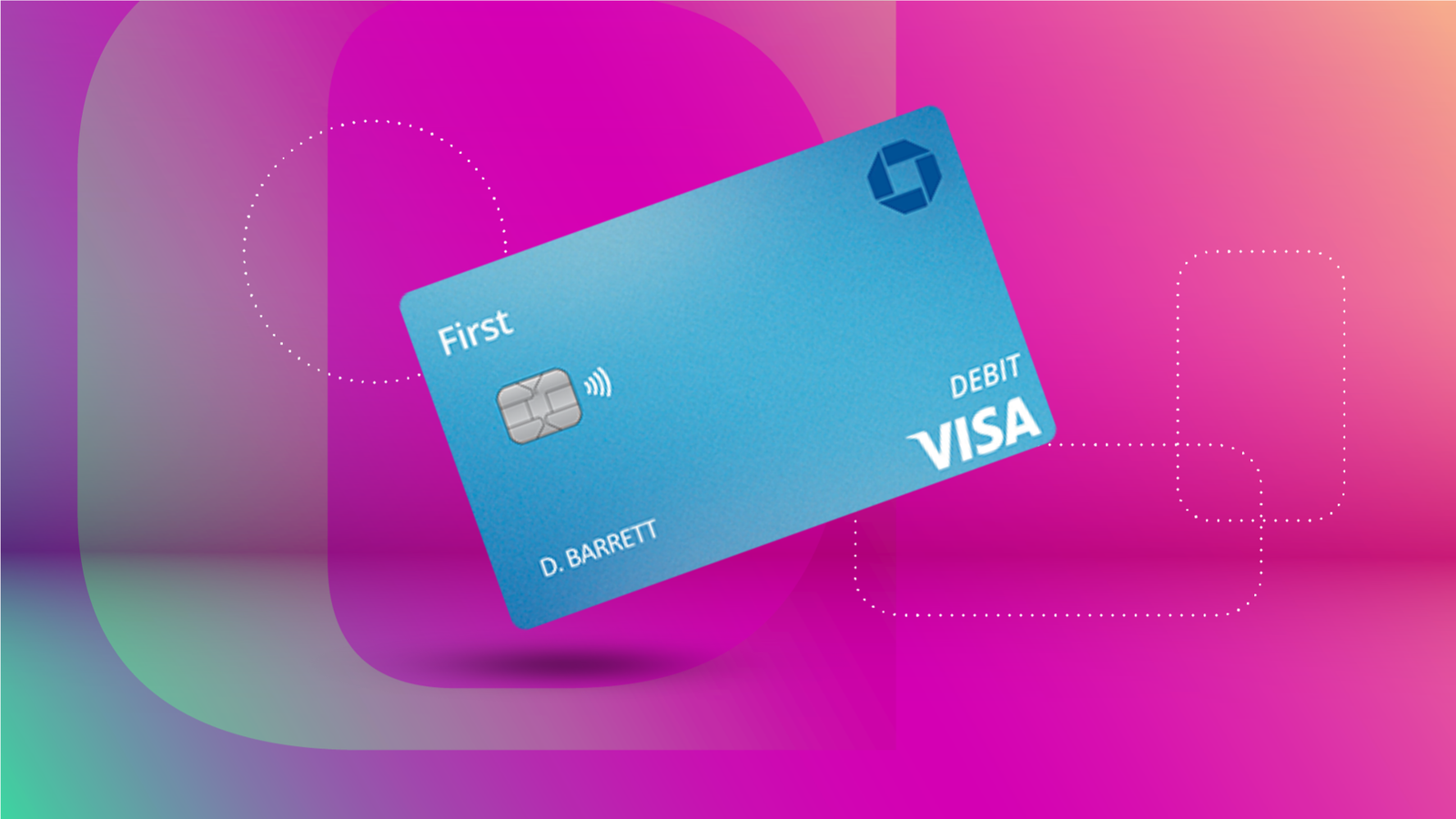
| Chase First and High School Checking | None | 6 to 17 |
Data current as of Nov. 14, 2024.
Deep Dive: The Best Financial Cards for Children and Teenagers
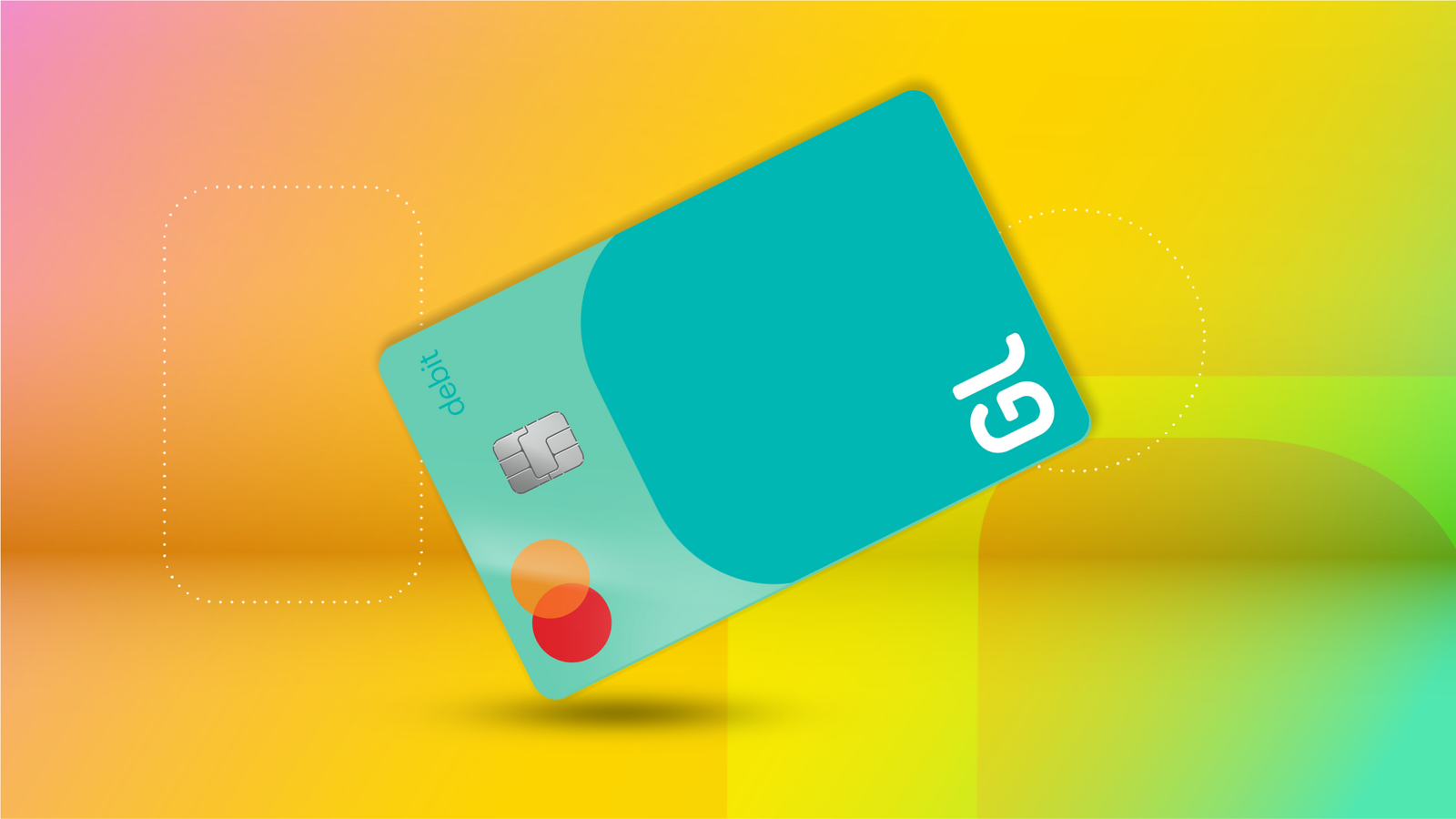
Best Overall: Greenlight Debit Card for Kids
Greenlight
Get it now
Expert Take
Minimum age: None
Monthly fee: $6 to $15 per month, covering up to five children
Free trial: 1 month
ATM fee: None
Purchase fees: None
Rewards: 1% cash back on purchases, up to 5% annual interest on savings
As a leading platform in the youth banking space, Greenlight provides an intuitive app interface that allows parents to set highly specific store-level spending controls. It encourages saving by offering interest on balances and helping kids set up targeted savings goals.
Parents can choose between three distinct subscription tiers: Greenlight Core ($6), Greenlight Max ($10), or Greenlight Infinity ($15). Depending on the selected plan, children can earn between 1% and 5% APY on savings balances up to $5,000. The top-tier Infinity plan features premium safety integrations, including crash detection and emergency SOS alerts.
The platform also features automated chore management with scheduled allowance payouts. Kids can allocate their money into four categories: Spend, Save, Invest, and Give. A complimentary educational game within the app helps reinforce key financial concepts.
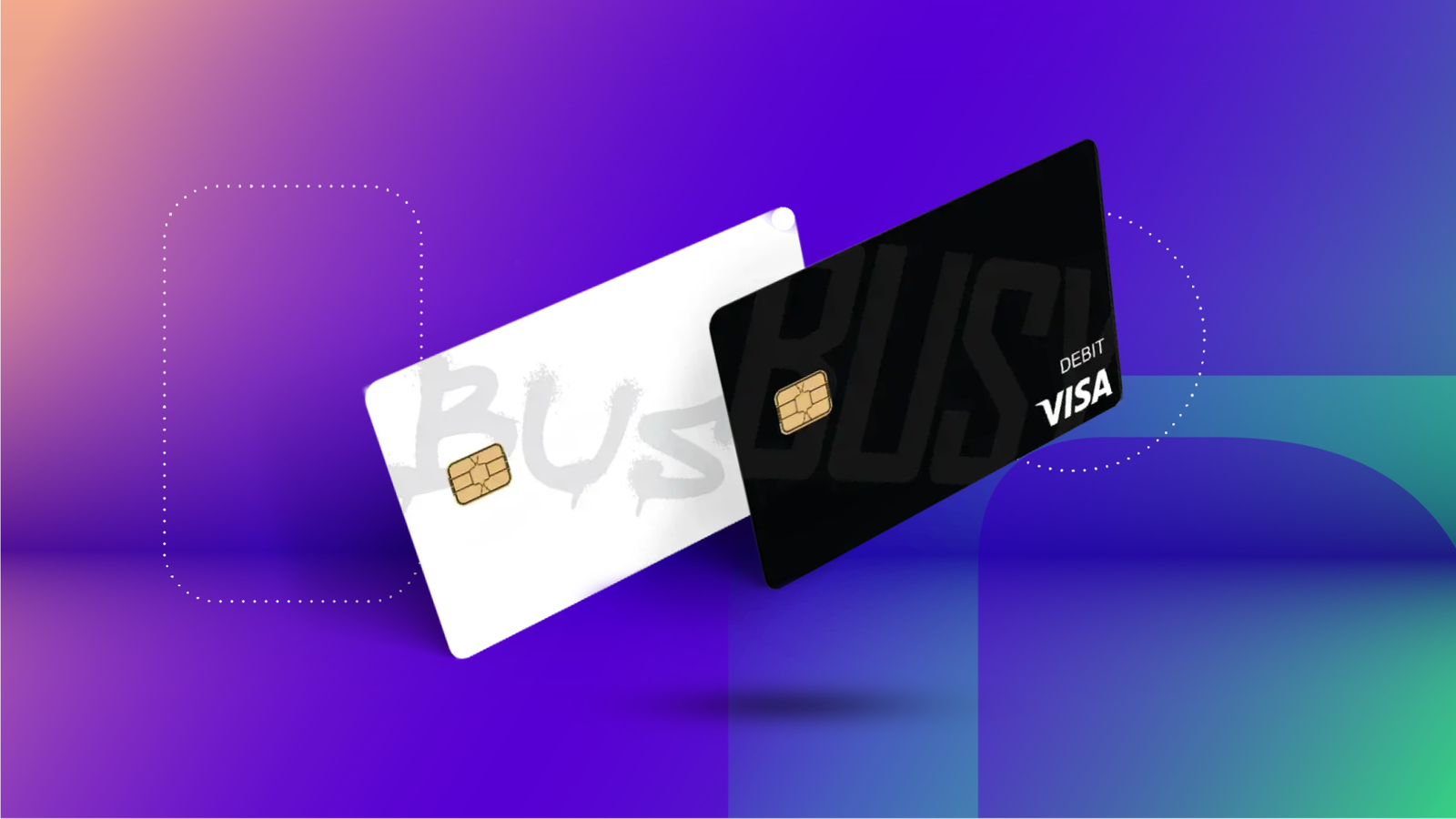
Best for Financial Literacy Tools: BusyKid Debit Card
BusyKid
Get it now
Expert Take
Minimum age: 5
Monthly fee: $4 per month (billed annually at $48), covering up to five children
Free trial: 30 days
ATM fee: None
Purchase fees: None
The BusyKid Visa Prepaid Debit Card serves as a practical learning tool for early money management. Through the companion app, children can track allowances, manage chores, buy fractional shares of individual stocks, or donate a portion of their funds to charity. Parents can also instantly send monetary bonuses to reward achievements like good grades.
Best Security Features: Acorns Early Debit Card for Kids

acornsearly
Get it now
Expert Take
Minimum age: 6
Monthly fee: $5 for one child; $10 for up to four children
Free trial: 1 month
ATM fee: None
Purchase fees: None
Acorns Early (formerly operating as GoHenry) is highly suited for younger children learning the value of earning through household chores. The platform offers customizable physical debit cards alongside an app equipped with robust parental oversight, savings trackers, and chore lists.
To boost financial education, the app features “Money Missions”—interactive, age-appropriate videos, stories, and quizzes. Parents can incentivize learning by offering cash rewards when kids complete these lessons.
Importantly, the company’s privacy policy explicitly guarantees that they do not sell user or child personal data to third parties without prior consent.
Best for No Monthly Fees: Step Card for Teens
step card
Get it now
Expert Take
Minimum age: None; 13 for Step Black
Monthly fee: None for basic; $5 for Step Black (waived with qualifying direct deposit)
Free trial: None
ATM fee: None
Purchase fees: None
Step is an excellent fit for teenagers preparing for more advanced financial tools, offering stock and crypto investing features alongside targeted financial literacy courses. Because there is no minimum age requirement, younger children can also utilize the basic fee-free account to learn spending and saving basics.
While the card draws directly from deposited funds like a standard debit card, it processes transactions over the credit network. This unique setup allows your child to build a positive credit history safely, with zero risk of debt accumulation, interest, or overdraft fees.
Step supports direct deposit, enabling working teens to receive paychecks directly into their accounts. It also offers cash-back rewards at select retail partners.
The premium Step Black tier (free with direct deposit, otherwise $5 monthly) includes savings round-ups and offers a 4% APY on savings balances up to $1,000,000 for accounts receiving at least $500 in monthly direct deposits.
One notable privacy concern is that Step’s privacy policy states they share user data with business partners to deliver targeted product offers. However, parents can opt out of this data sharing by contacting Step customer support directly.
Best Interest-Earning Option: Axos First Checking
Axos Bank
Get it now
Expert Take
Minimum age: 13
Monthly fee: None
Free trial: None
ATM fee: None
Purchase fees: None
Axos First Checking is designed specifically for teenagers aged 13 to 17, providing a real-world checking account experience. Teens can pay bills, send peer-to-peer payments, and earn a modest 0.10% APY on their balances. The account has no monthly maintenance, overdraft, or NSF fees, and includes up to $12 in monthly domestic ATM fee reimbursements. It lacks dedicated allowance or chore-tracking integrations.
Parents can monitor transactions, toggle card access, and set real-time alerts via the Axos mobile app. Axos shares consumer information for marketing purposes, but users have the right to opt out of targeted affiliate advertising.
Best for Existing Chase Customers: Chase First and High School Checking
JP Morgan Chase
Get it now
Expert Take
Minimum age: 6
Monthly fee: None
Free trial: None
ATM fee: None
Purchase fees: None
Chase offers two distinct fee-free checking accounts with debit access for minors, provided the parent holds an active Chase checking account. Neither option requires a minimum balance.
Chase First Banking (ages 6 to 17) includes parental spending controls, savings trackers, and chore-based allowance systems managed directly through the parent’s Chase app.
Chase High School Checking (ages 13 to 17) grants older teens more financial autonomy. It replaces strict spending blocks with account alerts and supports direct deposit, mobile check deposit, and Zelle transfers. To open this account, parents and teens must visit a local Chase branch in person.
Why Early Financial Exposure Matters
Children can begin receiving and managing money remarkably early from gifts, chores, or allowances. Introducing financial literacy concepts early helps build lifelong money management skills. According to Amy LeBaron-Black, an assistant professor of family life at Brigham Young University, in an interview with ZDNet, children as young as toddlers can start developing healthy confidence around money.
While traditional piggy banks help illustrate basic savings concepts, a modern debit card offers practical experience with digital banking functions like transferring money, setting up automated savings, and exploring investments.
Because many traditional banks limit debit card access to teens aged 13 and older, specialized kids’ debit cards bridge the gap for younger children. These cards operate with parental oversight features, offering a safer alternative to carrying cash while giving parents the ability to monitor and restrict spending.
Are Kids’ Debit Cards Safe?
Introducing children to digital financial tools involves navigating security and privacy risks. A Pew Research survey highlights that two-thirds of parents find raising children today more challenging than in the past, primarily due to technology. Beyond screen time, data privacy is a pressing issue; a Javelin Strategy & Research study reported that 915,000 children fell victim to identity theft over a one-year period ending in July 2022.
Because customer data is highly valuable, parents must proactively evaluate how financial institutions handle their family’s information. Signing up for a card typically requires sharing sensitive details, including birth dates, Social Security numbers, and physical addresses. Some issuers may also request access to location data and purchase history to deliver targeted advertising.
Despite these risks, debit cards designed specifically for kids incorporate several unique protections:
- COPPA Compliance: The Children’s Online Privacy Protection Act requires financial institutions to clearly disclose their data collection practices and obtain parental consent before gathering information from children under 13.
- Purchase Protection: Select premium plans, such as Greenlight Max and Infinity, offer coverage and refunds for fraudulent purchases.
- Card Security: These cards utilize EMV chip technology and require biometric authentication or PINs to access accounts.
- Remote Card Locking: Parents can instantly freeze a lost or stolen card directly from their mobile app.
- FDIC Insurance: Funds held in partner banks are insured up to $250,000, protecting your money in the event of a bank failure.
Even with these safeguards, parents should monitor for signs of child identity theft, such as unsolicited credit applications or collection calls in their child’s name. The FTC provides resources for reporting identity theft, and Experian offers a free minor ID scan service to check if a child’s SSN is linked to active credit files.
Setting Clear Financial Rules with Your Child
Before handing a debit card to your child, establish firm guidelines regarding its use:
- Physical and Digital Safety: Teach your child to keep their card secure, protect their PIN, avoid sharing passwords, and refrain from making purchases on public, unsecured Wi-Fi networks. Advise them to use bank-affiliated ATMs to avoid skimming devices and to report a lost card immediately.
- Spending Limits: If you want to control where your child shops, opt for cards like Greenlight or Chase First Banking that offer merchant-specific blocking. For cards without this feature, maintain open communication about acceptable purchases and remind them that you can review their transaction history.
How I Selected the Best Card for My Family
No single card meets every family’s preferences perfectly, meaning parents must prioritize their must-have features. My criteria required an account established in my children’s names that could grow with them, equipped with robust parental controls, savings tools, and absolutely no monthly maintenance fees.
Ultimately, I chose Step for several reasons:
- It features no monthly fees, minimum balance requirements, or age restrictions.
- It allows kids to set up distinct savings goals.
- It builds credit history safely by processing transactions as credit.
- It provides real-time transaction notifications.
However, Step does have drawbacks. Its high-yield savings interest is restricted to accounts with at least $500 in monthly direct deposits (prompting us to use a separate high-yield savings account for long-term savings). Additionally, the app offers limited educational content for younger kids, lacks built-in chore and allowance automation tools, and does not allow parents to block specific merchants.
Key Factors to Evaluate Before Choosing a Card
Consider these critical elements when comparing youth debit cards:
Parental Control Features
Most youth banking apps allow parents to lock cards, view balances, and automate allowances. Some premium options offer granular controls, such as setting daily spending limits, approving specific merchants, and tying payouts to completed chores.
Educational Content
Many providers integrate educational modules to teach budgeting, saving, and investing. Look for platforms that offer age-appropriate video lessons, quizzes, and financial games.
Age Limits and Eligibility
Ensure your child falls within the provider’s supported age bracket. While some cards have no minimum age, others restrict enrollment to teens aged 13 and older.
Signup Requirements
Be prepared to provide identifying information for both yourself and your child, including names, dates of birth, addresses, and Social Security numbers to comply with federal banking regulations.
Existing Banking Relationships
Check if your current bank offers youth accounts. Bundling your child’s account with your existing checking account can simplify transfers and eliminate additional fees.
How to Open a Kid’s Debit Card Account
Once you select a card, you can apply online through the provider’s secure website or mobile app. You will need to provide standard personal identification details for both the parent and the child.
After receiving the physical card, sit down with your child to establish a budget, set savings goals, and outline responsible spending habits.
The Bottom Line on Youth Debit Cards
Using youth debit cards can provide children with valuable hands-on experience navigating modern digital finance. As children grow, their financial needs become more complex, making adaptable accounts highly beneficial.
To navigate the lack of merchant-blocking features on fee-free cards, parents can manage risk by keeping spending account balances low and preapproving physical card usage. Whether you choose a fee-free fintech card or a subscription-based platform with advanced parental controls, these tools offer an effective way to build strong financial foundations early in life.
Frequently Asked Questions
Which kids’ debit cards have no monthly fees?
Step and Axos First Checking are excellent examples of kids’ debit cards that do not charge monthly subscription fees, though paid options may offer more robust parental controls and educational features.
How can I monitor what a company does with my child’s data?
Review the financial institution’s privacy policy to see how they collect, use, and share data. Federal laws provide specific protections for children under 13, but policies can change, so it is important to check your account settings and opt out of data sharing where possible.
How do I detect if my child’s personal information has been leaked?
Because children rarely check their credit, they are frequent targets for identity theft. Watch for warning signs such as mail, bills, or credit card offers addressed to your child, or calls from debt collectors. You can use Experian’s minor ID scan tool to check for active credit files associated with your child’s Social Security number.
Related Card Articles
- Greenlight Debit Card for Kids: Teach Kids and Teens How to Handle Money
- Best Debit Cards for College Students
- Money Savvy Kids Don’t Grow On Trees