

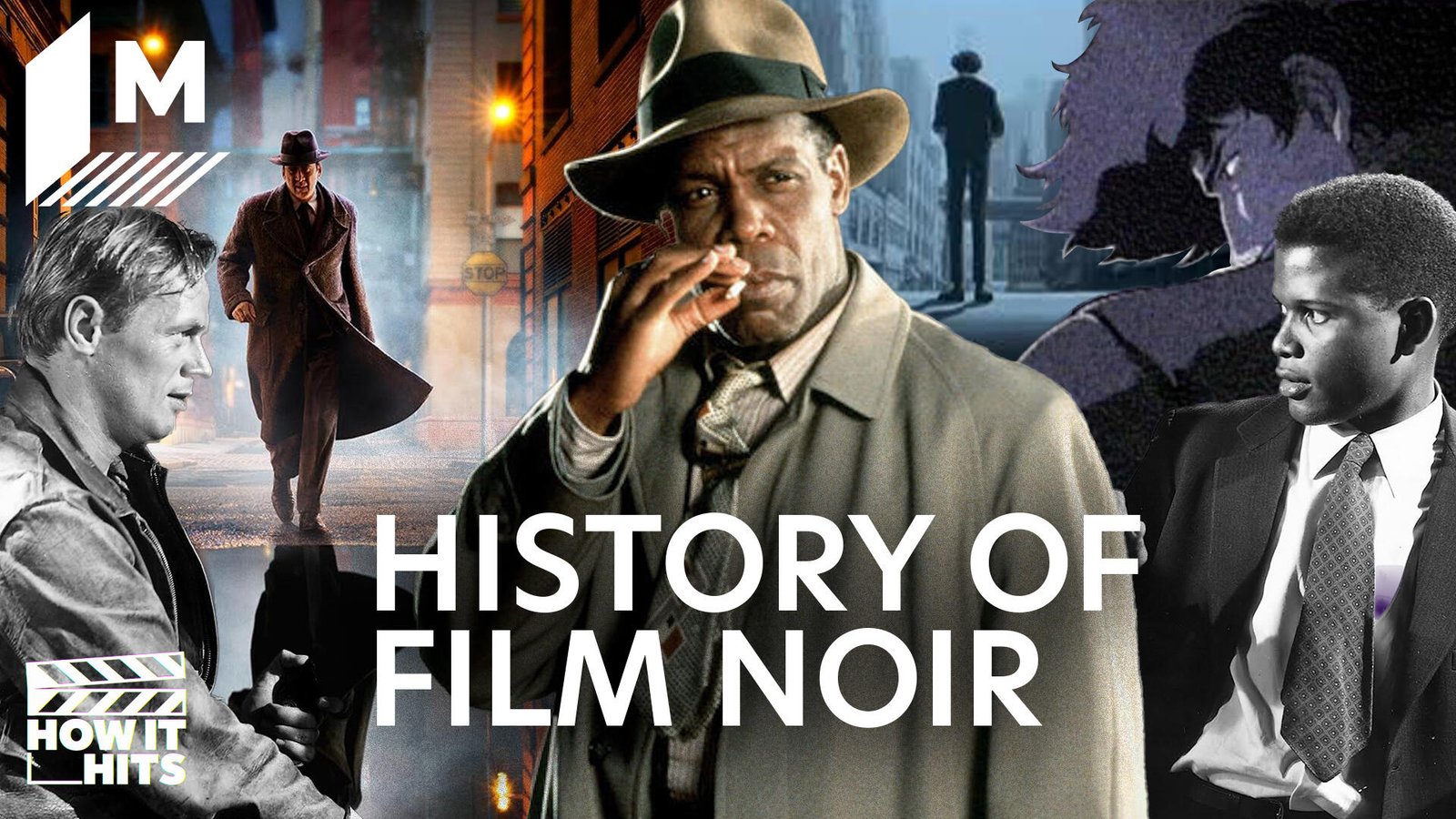
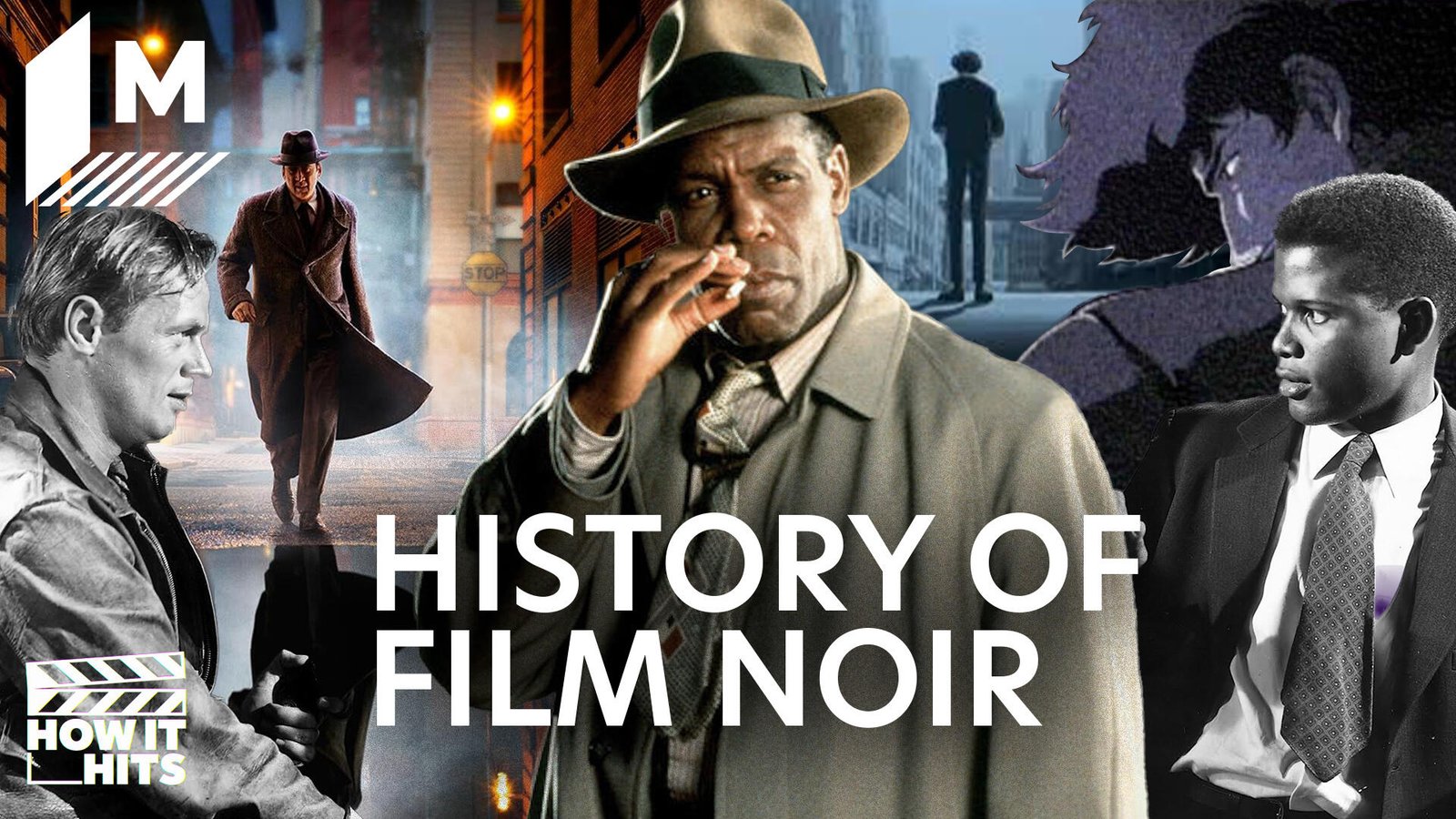
Film historians are redefining the cinematic roots of the classic private eye, tracing the origins of film noir back to 19th-century European literature and real-world detective agencies rather than 1940s Hollywood. This evolution reveals that the cynical, trench-coat-wearing detective was not a sudden American invention, but the product of decades of global cultural shifts, industrialization, and literary evolution.
From Real-Life Pinkertons to Hard-Boiled Fiction
Long before Humphrey Bogart stepped into the shoes of Sam Spade, the archetype of the private investigator was forged in the harsh realities of late 19th-century industrial America. The rise of private detective agencies, most notably the Pinkerton National Detective Agency, provided the raw material for early crime writers. These real-life operatives were often controversial figures, caught between corporate interests and street-level crime, establishing the moral ambiguity that defines the genre.
The Rise of the Literary Pulp Detective
By the 1920s, this gritty reality transitioned into “hard-boiled” pulp magazines like Black Mask. Writers like Dashiell Hammett—himself a former Pinkerton detective—and Raymond Chandler stripped away the polite, intellectual puzzle-solving of British mystery novels. They replaced it with a corrupt urban landscape where survival required a tough exterior and a compromised moral code, laying the narrative groundwork for what would become film noir.
The European Shadows Shaping American Cinema
While the hard-boiled narrative was distinctly American, the visual language of film noir came from across the Atlantic. The rise of German Expressionism in the 1920s, characterized by stark shadows, distorted angles, and psychological dread, migrated to Hollywood as European filmmakers fled the rise of fascism. Directors like Fritz Lang and Billy Wilder brought these German visual techniques to the United States, blending them with American crime stories to create the signature high-contrast, shadow-drenched aesthetic of noir.
French Existentialism and the Post-War Psyche
Interestingly, the term “film noir” (black film) was coined by French film critic Nino Frank in 1946. French audiences, having been cut off from American cinema during World War II, noticed a dark, cynical shift in post-war Hollywood releases. This stylistic movement perfectly mirrored the existential anxiety of a world recovering from global conflict, cementing the private eye as the ultimate symbol of modern disillusionment.