

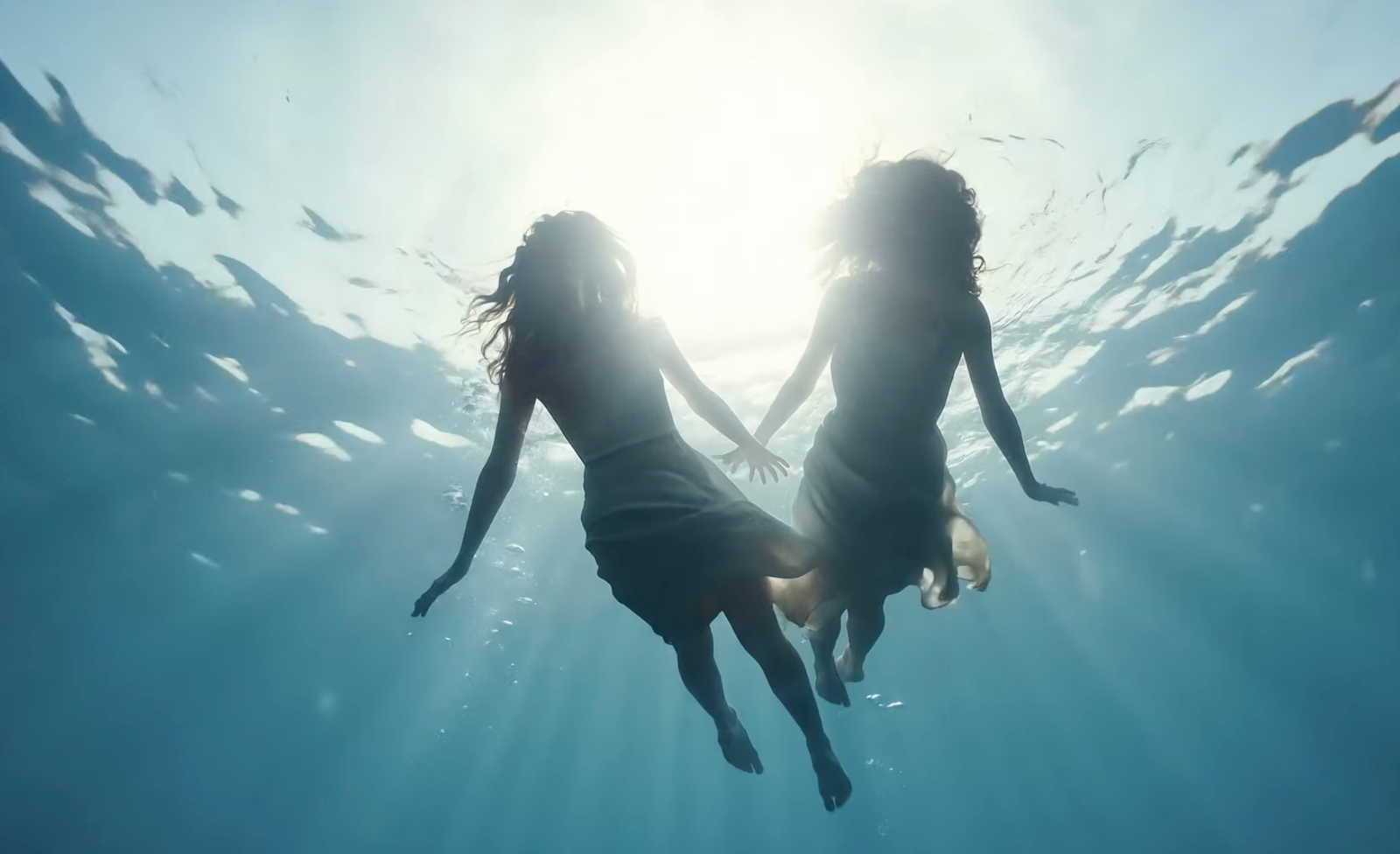
On Wednesday, Google Labs screened a series of deeply emotional, artist-led short films at New York’s Metrograph theater to prove that generative AI tools can elevate cinematic storytelling beyond mindless, low-quality “slop.” The event showcased the work of 11 resident artists from the fourth cohort of Google’s Flow Sessions, challenging the dominant narrative that machine-assisted art is inherently soulless.
For nearly two years, the public conversation surrounding AI-generated imagery has been dominated by a single, derogatory term: “slop.” The word has become a catch-all descriptor for the uncanny, mindless, and visually overwhelming videos and images generated by large language models (LLMs) and posted hastily across social media. However, Google’s latest initiative suggests that branding all AI-assisted content with this label ignores its creative potential.
An early look at the films created during the residency reveals projects that are deeply personal, tactile, and highly imaginative. Rather than serving as a lazy shortcut to bypass traditional production, these works function more like cinematic memories or “essay films.” Here, generative AI is utilized as a collaborative assistant, enabling independent creators to realize complex visual concepts that would otherwise require prohibitive budgets and massive production crews.
Bridging the Gap Between Code and Creativity
At the center of these short films is Google Flow, a generative AI media tool designed to act as a digital canvas for artists. Through its six-week Flow Sessions residency, Google brings together creators from diverse backgrounds—ranging from fine art to commercial advertising—to develop personal passion projects. Brianna Doyle, head of community at Google Labs, explained that the program’s mission is to bridge the gap between the engineers writing the code and the artists putting those tools to practical use.
The core objective is to build AI alongside artists rather than for them, ensuring the technology serves as a medium for human expression rather than a replacement for genuine creative processes.
“AI has opened the doors for them as far as creativity goes,” Doyle said. “It hasn’t been stifling at all. It’s actually reframed what they are able to do.”
Lowering the Barrier and Expanding Creative Limits
A major concern among traditionalists is that AI-generated tools dilute authenticity, replacing human craft with automated approximations. However, for the artists in this residency, the technology served as a catalyst for highly nuanced storytelling. The guiding philosophy, according to Doyle, is to “lower the floor and raise the ceiling”—making filmmaking more accessible to newcomers while allowing independent creators to scale their visions.
This philosophy is reflected in how the tool itself has evolved. Initially built as a video-first platform, Flow was updated after artists reported spending more time organizing storyboards and images than editing footage. To streamline this, developers integrated robust image generation and organizational features like folders and labels, allowing concepts to transition smoothly into production.
For creators like Ikenna Mokwe, founder of OnGen Studio, this workflow efficiency is game-changing. With 15 years of experience in traditional media, Mokwe now uses Gemini voice commands to dictate scripts during late-night brainstorms, eliminating the typing bottleneck. He then utilizes custom automation tools within Flow to handle repetitive camera movements.
Mokwe emphasizes that technology does not replace the core of filmmaking. “Storytelling is at the heart of everything,” he said, noting that AI simply accelerates the journey from concept to final cut. “I’ve had absolutely zero hesitation. I jumped right on it. I took it, and I just haven’t let go. I think [AI] is absolutely amazing. I think it is super empowering.”
Keeping the Human Touch at the Center of AI Art
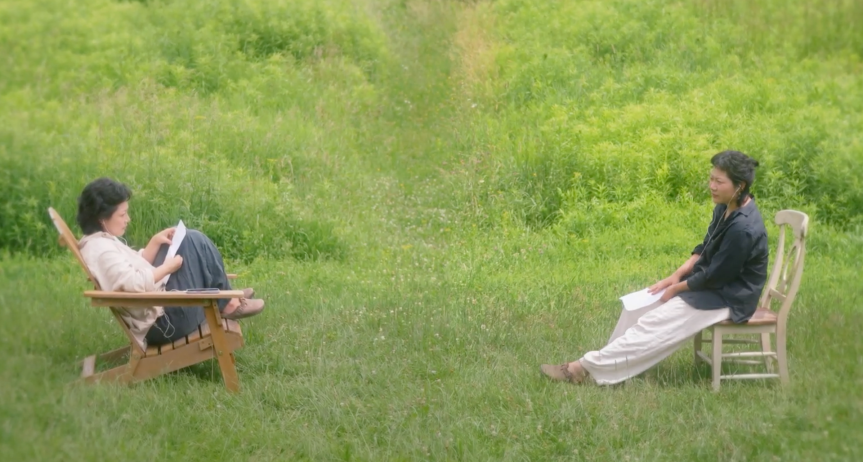
The residency demonstrates that utilizing AI does not strip a film of its humanity or intimacy. For example, Dion Lee’s short film Two Chairs offers a deeply moving exploration of motherhood. The film features two letters written by Lee—one to her 18-year-old daughter and another to an alternate version of herself who chose not to have children. Staging parallel lives around two physical chairs, the film visualizes these parallel realities to create a powerful internal dialogue.
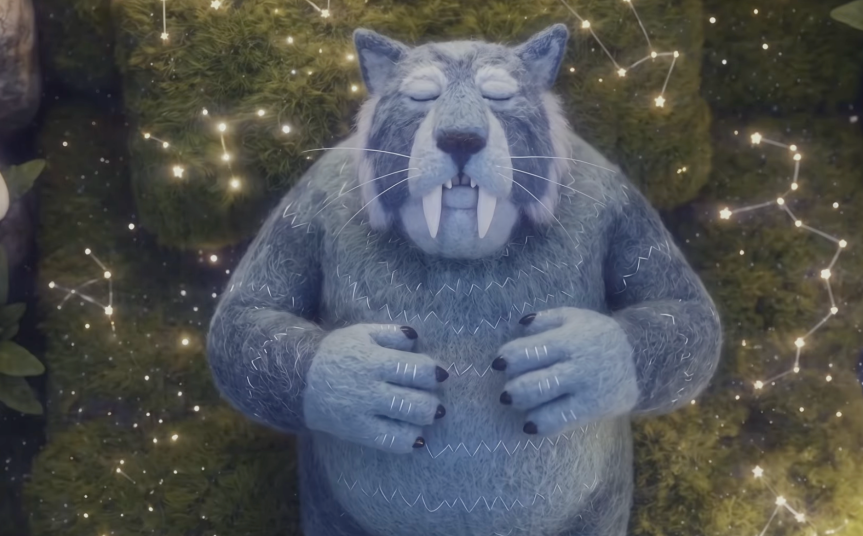
Other artists are using Flow to bridge the gap between physical and digital mediums. Adam Brumley, leader of Studio Heartfelt, uses the tool to translate his handwritten poems and drawings into 3D needle-felted characters. Interestingly, working with AI inspired Brumley to return to physical needle-felting to complement his digital designs.
For Brumley, AI is the final step in a deeply manual process, helping him refine complex lighting and textures that would otherwise require an entire production crew. “I think the thing that excites me about AI is just the ability to explore so many possibilities quickly,” Brumley shared. “As a one-man band over here, being able to take an idea through the finish line… it just would not be possible to do that if I had fabricated all the sets, done everything and done the characters and all that.”
Despite their diverse backgrounds and styles, all 11 artists share a strong commitment to maintaining personal authorship over their work.
A New Era of Collaboration Between Humans and Machines
While prominent filmmakers like Guillermo Del Toro have voiced strong opposition to AI—famously declaring he would “rather die” than use it—the growing sophistication of these tools suggests a new era of filmmaking is emerging. This new landscape is defined not by automation, but by the intersection of human emotion and machine capability.
In this residency, generative tools are not used to bypass the creative process, but to storyboard with greater freedom and iterate without friction. The ultimate focus remains on whether the final film carries genuine human meaning.
This is where the argument against “slop” becomes clear. The Flow Sessions prove that generative AI can be treated as a precise instrument, helping directors sharpen their narrative intent while preserving human perspective in every frame.
Explore the Google Flow Sessions Short Films
Discover the work of the resident artists and watch their completed short films below:
- Man VS Hairline by Ikenna Mokwe: A British comedy exploring a man’s relationship with his hair and his search for personal identity.
- Mascot by Daniel Garcia: A horror-thriller styled as a fable, detailing the dark consequences a tourist faces after taking a photo of an off-brand street performer.
- FRIK by Mehdi Saqi: The story of an unusual creature struggling to belong until a chance encounter changes his path forever.
- Nothin’ Beats a Cheeseburger by Andrew Nethery: An interstellar explorer named Borg lands in a small Michigan town to track down the universe’s best cheeseburger.
- Wobbles by Matt Slamowitz: A grieving woman embarks on an unexpected journey after a mysterious creature appears in New York City.
- Two Chairs by Dion Lee: A poignant internal debate on motherhood, framed through letters written to the director’s daughter and an alternate self who chose not to have children.
- One Breath At a Time by Santiago Carrasquilla: An experimental narrative that visually captures the internal experience of meditation.
- 2ndskin by Kat Vlasova: A dance-focused film where a lab-grown human’s high-tech cybersuit guides her toward meaningful connection.
- The Call by Ariel Rosso: A woman travels through a deserted coastal town, guided by a mysterious pink light, navigating the boundary between memory and dreams.
- Atoms in Me by Adam Brumley: A reflective creature contemplates his physical existence, leading to a quiet moment of self-realization.
- Where Did The Love Go by Nina Menzel: A poetic, experimental short film exploring the lingering marks of grief, longing, and love.