

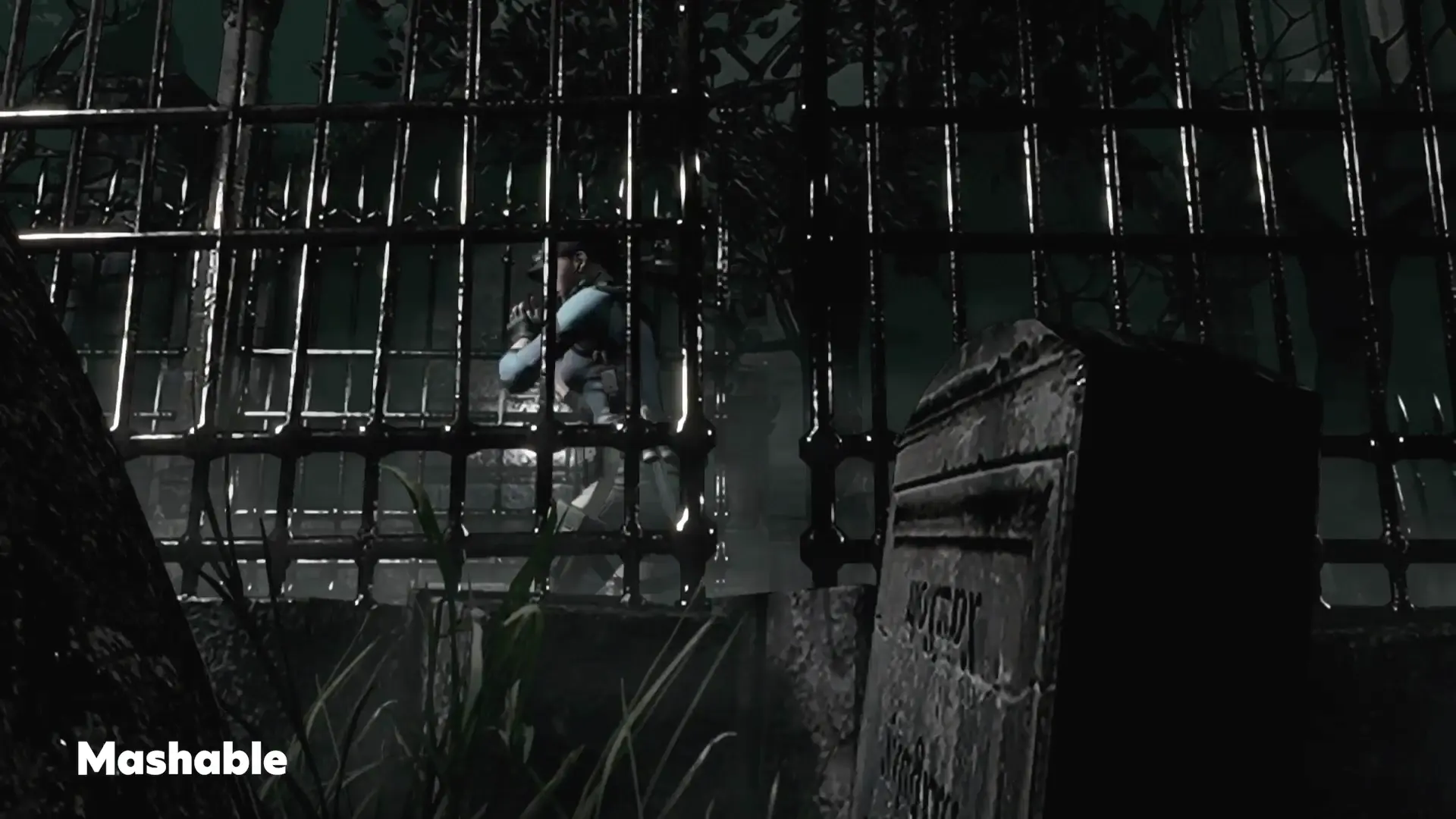
Capcom successfully redefined its legendary Resident Evil franchise on February 28, 2026, by permanently balancing survival horror and action across its modern releases, resolving a decades-long identity crisis for global gamers.
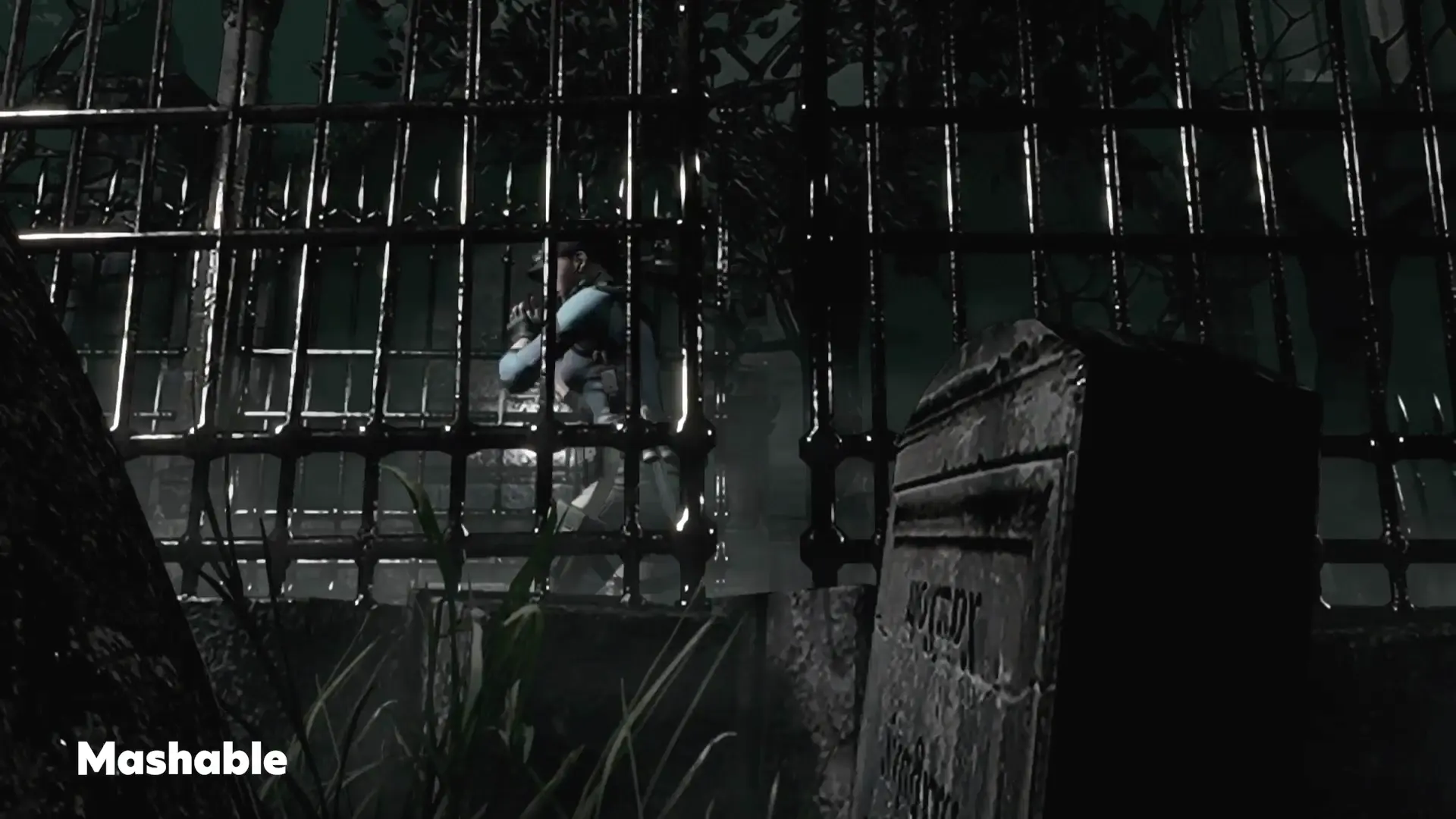
The Long Road to Finding the Perfect Horror Balance
For years, the Resident Evil franchise fluctuated wildly between two extremes. The early titles established the survival horror genre with slow-paced exploration, limited resources, and tank controls. However, as the industry evolved, so did Capcom’s approach. This transition culminated in Resident Evil 4, a masterpiece that successfully blended action with tension, but it also set off a chain reaction that almost derailed the franchise’s identity.
From Action-Heavy Missteps to Atmospheric Terror
Following the massive commercial success of action-focused installments, the series began to lose its horror roots. Resident Evil 5 shifted heavily toward co-op action, while Resident Evil 6 abandoned atmospheric dread entirely in favor of Michael Bay-style explosions and quick-time events. Fans and critics grew vocal about the loss of the series’ DNA. Capcom needed a drastic course correction, which arrived in the form of a terrifying return to basics.
Why the Dual-Perspective Strategy Changed Everything
The turning point occurred when Capcom realized that Resident Evil did not have to be just one thing. By splitting the franchise into two distinct gameplay styles, the developers managed to satisfy every segment of their massive player base.
- First-Person Terror: Resident Evil 7: Biohazard and Resident Evil Village stripped away the action-hero armor, placing players in the vulnerable shoes of Ethan Winters. The first-person perspective heightened the claustrophobia and psychological horror.
- Third-Person Perfection: Concurrently, Capcom utilized over-the-shoulder gameplay for its highly acclaimed remakes of Resident Evil 2, 3, and 4. These titles preserved the classic narrative arcs while modernizing the combat and inventory management.
The Power of the RE Engine
Central to this creative renaissance is the versatility of Capcom’s proprietary RE Engine. This technology allowed the developers to achieve photorealistic graphics, seamless loading times, and highly responsive physics across multiple platforms. Whether rendering the damp, rotting walls of the Baker mansion or the sprawling, gothic architecture of Castle Dimitrescu, the engine provided the visual fidelity required to make horror feel tangible.
What Lies Ahead for Capcom’s Flagship Franchise
By establishing this dual-track release model, Capcom has secured a sustainable future for Resident Evil. The studio no longer needs to compromise horror for the sake of action, or vice versa. Moving forward, players can expect the mainline sequels to push the boundaries of immersive, modern horror, while potential future remakes continue to polish and preserve the legacy of the classic titles that defined a generation.