

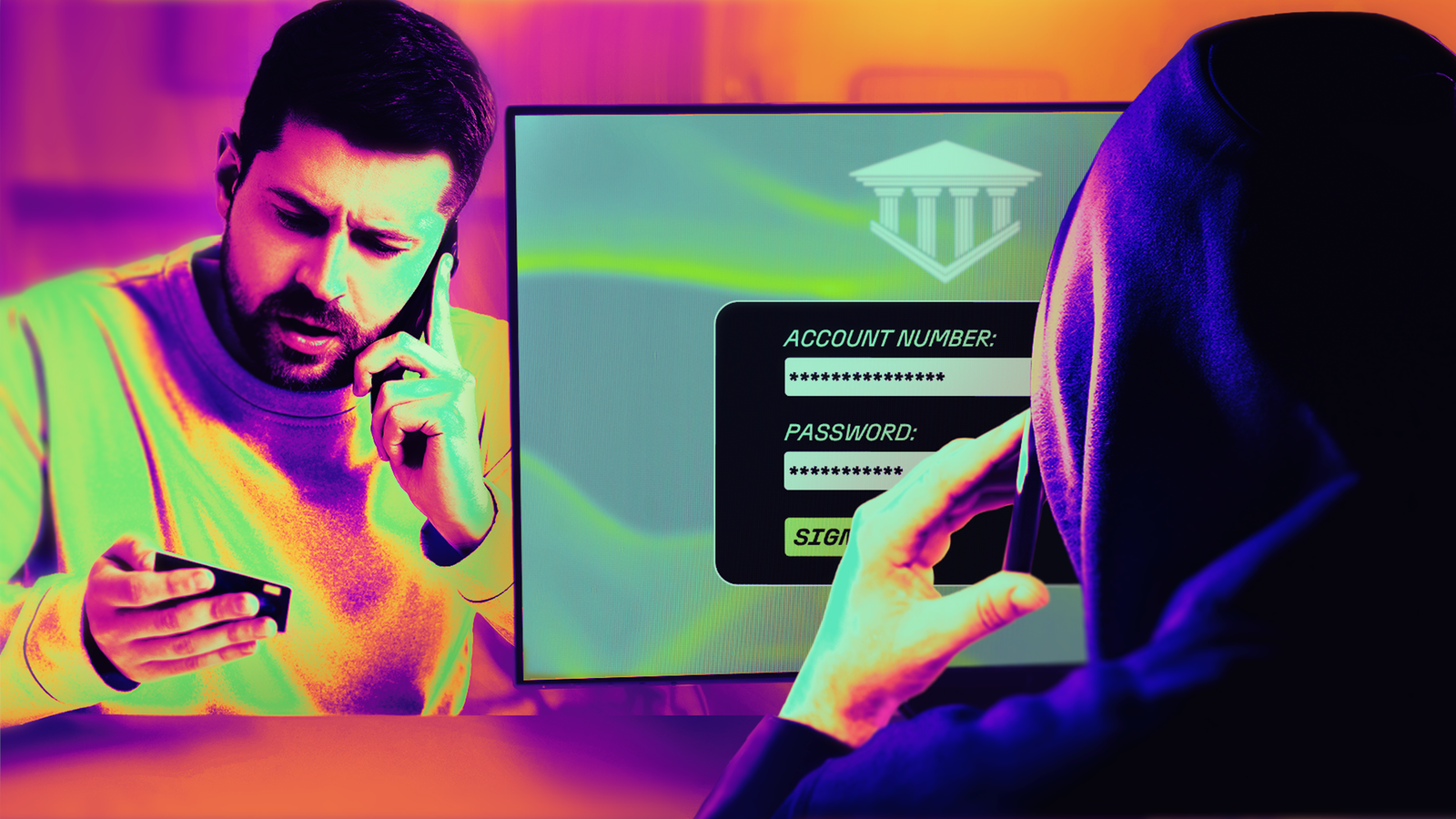
When CNET editor Arielle Burton received an unexpected email on a Sunday in the US warning that her TD Bank fees were doubling, she nearly fell victim to a sophisticated spoofing attempt, highlighting a growing global threat where consumers struggle to distinguish genuine banking alerts from malicious phishing scams.
Burton usually disregards promotional bank emails, such as those advertising credit cards. However, this specific notification about an imminent account change that would cost her money caught her attention immediately.
Because it was a Sunday, her call to the customer service number listed in the email went unanswered, despite TD Bank advertising a 24/7 support line. Upon closer inspection, Burton noticed several broken links within the email, sparking fears that she had been targeted by a phishing scam—especially since she had already disclosed some personal details during her phone call.
Fortunately, a legitimate TD Bank representative confirmed the next day that the email was genuine, advising her that the safest contact numbers are always found within the official mobile app. Burton also discovered her current account tier was being phased out, allowing her to switch to a newer option to avoid the price hike. Yet, the experience left her with a critical question: how can customers reliably identify authentic communications when legitimate messages mimic the red flags of scams?
Why Your Bank Might Contact You Legitimately
Financial institutions do need to contact customers under specific circumstances. Understanding these scenarios can help you determine whether an alert is standard procedure or a potential threat.
1. Verifying Your Identity
To comply with strict anti-money laundering regulations, banks must verify your identity. This process, known as Customer Due Diligence, occurs during account creation and requires details like your Social Security Number (or Tax ID), physical address, phone number, and date of birth. For instance, when opening a joint savings account with Ally, my wife received a physical letter in the post requesting her to log in and confirm her details. Crucially, banks will never call, text, or email you out of the blue to demand this sensitive information; they will only request it via physical post or through their secure online message centre.
Identity verification also occurs when you initiate changes, such as resetting an online password (using two-factor authentication) or calling customer support, where you may need to provide a pre-set security word.
2. Flagging Suspicious Account Behaviour
If automated fraud detection algorithms flag unusual activity on your account, your bank may send a text message to verify if you authorised the transaction. However, because advanced security systems usually block suspicious transactions automatically, the safest response to any fraud scare is to log directly into your mobile app to review your transaction history, rather than replying directly to the message.
3. Low Balance Alerts
If you have configured notifications within your online banking profile, you might receive automated alerts via text, email, or push notification when your funds drop below a specific threshold. It is wise to review your notification preferences and always log in independently to verify your actual balance.
4. Official Data Breach Notifications
Even with high-grade encryption, financial institutions remain prime targets for cybercriminals. In the event of a security breach, banks are legally mandated to inform affected customers about what data was compromised. While some notifications arrive via email, they are often sent as physical letters outlining protective measures, such as complimentary credit monitoring. Be cautious, as fraudsters frequently send spoofed data breach alerts to harvest personal details.
How to Verify You Are Communicating With Your Bank
Even if a communication appears authentic, taking precautions to verify the sender’s identity can prevent devastating financial losses.
Use Official Contact Channels
Always dial the toll-free number printed on the back of your debit or credit card, or retrieve the phone number from the official website’s “Contact Us” page. Alternatively, use the live chat feature inside your authenticated mobile app.
Send a Secure Message
Log into your online banking portal or mobile application and utilise the secure message centre. For example, using Chase’s secure message system typically yields a response within one business day, accompanied by an email notification confirming a reply is waiting in the secure portal.
Visit a Local Branch
For complete reassurance, speak directly with a staff member at your local branch. While walk-ins are welcome, booking an appointment in advance ensures prompt assistance.
Should You Respond Immediately to Bank Alerts?
No. Although urgent messages require attention, you should never feel pressured to act instantly. Scammers deliberately manufacture panic to bypass your critical thinking. Before responding, examine the message closely: check for unusual sender addresses, spelling errors, or requests for sensitive data like your PIN. Consult resources like the American Bankers Association’s “Banks Never Ask That” campaign to familiarise yourself with common red flags.
The Security Risks of Voice Authentication
While biometric tools like fingerprint and facial recognition offer robust security, voice-based verification is increasingly controversial. Some institutions, including Wells Fargo, use voiceprints for account access. However, with AI technology capable of cloning a human voice for as little as £5, this method poses significant security risks. Burton advises opting out of these programmes entirely, preferring secure SMS codes or email links over voice biometrics, given how sophisticated AI fraud has become.
Protecting Your Finances Against Rising Fraud
Data from the Federal Trade Commission reveals that consumers lost over $12.5 billion (£9.6 billion) to fraud last year. While digital channels make it easy for scammers to target you, maintaining strict verification habits ensures your money remains secure.</