

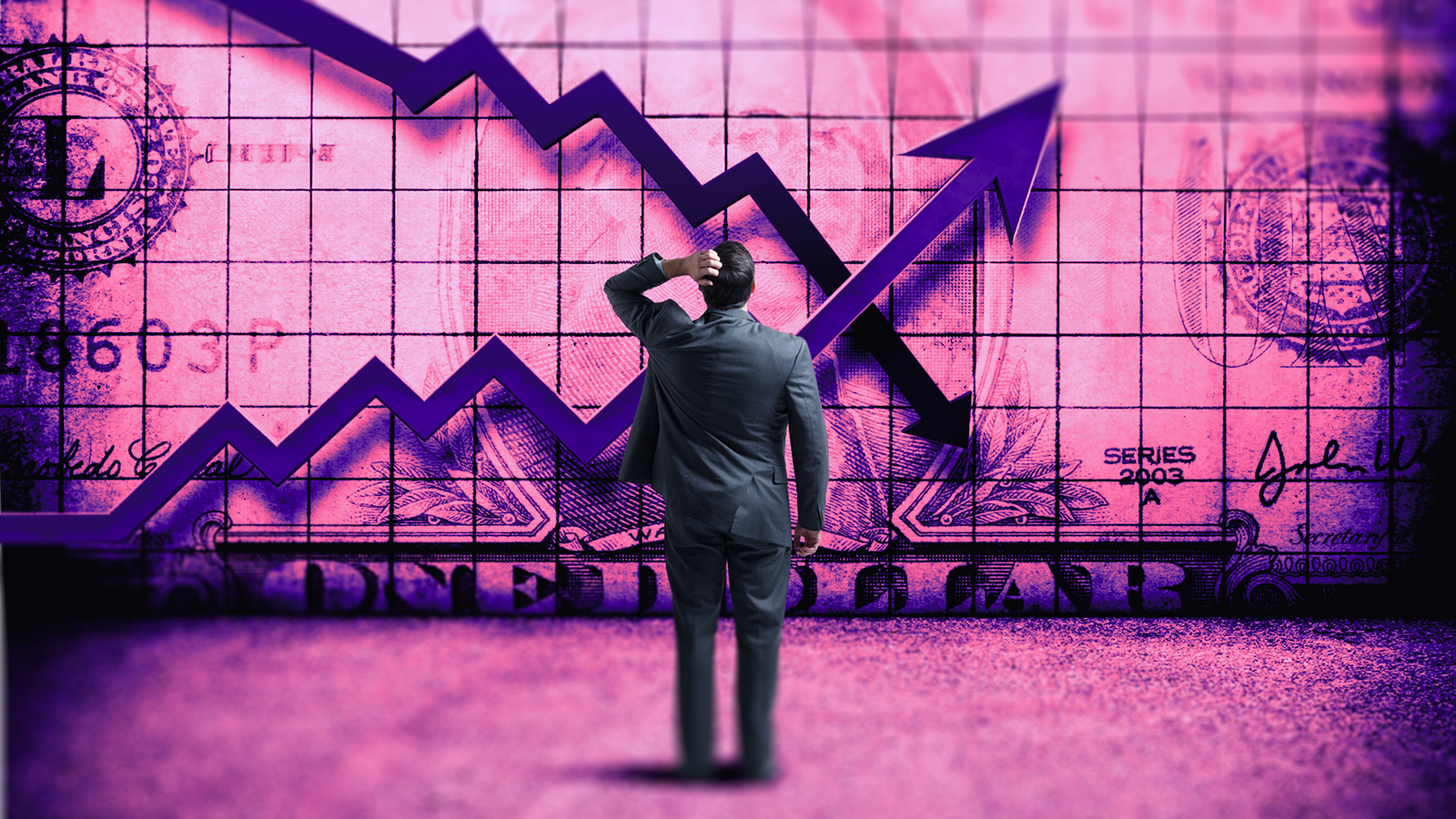
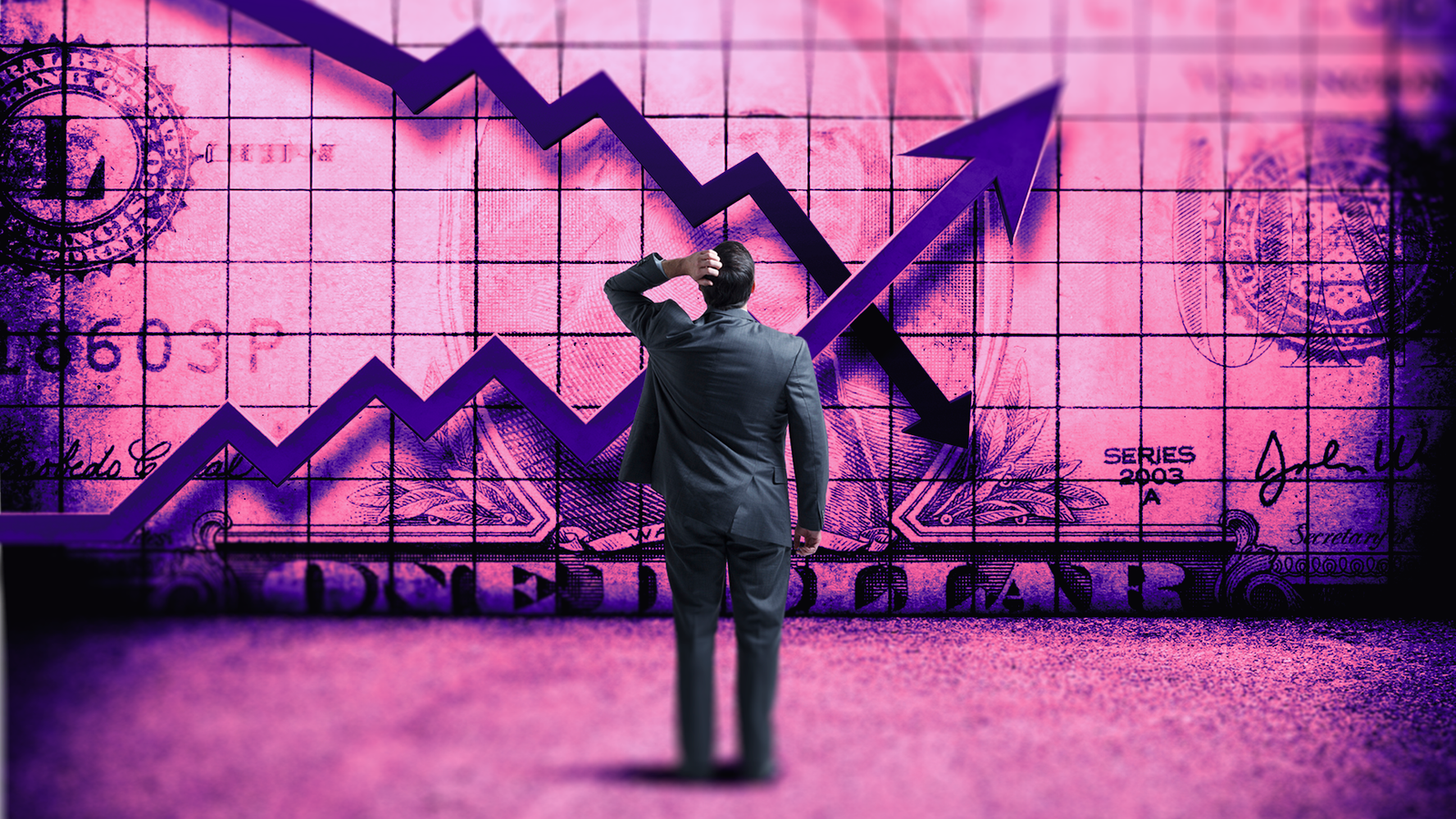
An economic downturn combined with high inflation is a double-whammy for your personal finances.
DNY59/Getty Images/Jeffrey Hazelwood/CNET
Donald Trump’s aggressive tariff policies, mass deportation strategies, and rising national debt are threatening to plunge the United States economy into a rare period of toxic stagflation over the coming year, leading financial analysts to warn of a self-inflicted crisis worse than a standard recession. While many economists believe the risk of a typical job-loss recession remains low, others warn that the US is at a dangerous crossroads as consumer confidence drops and the labour market begins to cool.
Some market analysts suggest the economy could be sliding towards stagflation—a destructive economic scenario characterised by stagnant growth and high inflation. During the 1970s, stagflation caused a major economic crisis in the US, defined by double-digit price increases, soaring interest rates, and high unemployment.
In a mid-year outlook published by Apollo Global Management, chief economist Torsten Sløk highlighted these persistent risks. Sløk noted that tariff hikes act as stagflationary shocks, simultaneously increasing the probability of an economic slowdown while putting upward pressure on consumer prices. His analysis suggests the current tariff regime has pushed the probability of a US recession over the next 12 months to 25%.
Stagflation is widely considered a far more challenging economic diagnosis than a standard downturn, primarily because governments lack straightforward policy tools to manage it. James Galbraith, an economics professor at the Lyndon B. Johnson School of Public Affairs at the University of Texas at Austin, warned that finding an easy path to fiscal or monetary stabilisation in this scenario is highly unlikely.
With households already squeezed by the high cost of living, preparing for what lies ahead is crucial. Whether the US faces a traditional downturn or a prolonged period of stagflation, taking proactive steps to secure your personal finances is essential.
Is a US Recession Still on the Horizon?
Deep economic uncertainty typically triggers recessionary conditions as both businesses and households slash spending and delay investments. During a standard recession, unemployment climbs while the cost of goods and services usually declines. Securing financing also becomes significantly harder, as banks tighten lending criteria to avoid defaults.
Economic cycles naturally swing between growth and contraction, with downturns historically occurring every five to seven years. Greg Sher, managing director at NFM Lending, suggests the economy is overdue for a reset and a natural slowdown.
While shrinking GDP and rising unemployment are hallmarks of any recession, each event is triggered by different catalysts. The Great Recession (2007-09), sparked by the subprime mortgage crisis and the collapse of major financial institutions, was the longest in modern history. Conversely, the brief COVID-19 recession of 2020 was the shortest on record, despite triggering 24 million job losses due to pandemic lockdowns.
Working and middle-class families feel the squeeze of a recession long before the National Bureau of Economic Research officially declares one. Furthermore, those on lower incomes face a much slower path to recovery once the downturn is declared over.
Relying solely on backward-looking data like GDP and employment figures can be misleading, as they reflect past performance rather than future direction. Many analysts argue that actual unemployment is much more severe than headline figures suggest.
The key warning signs of an impending recession include:
| Warning Sign | Economic Impact |
|---|---|
| Declining Gross Domestic Product (GDP) | Two consecutive quarters of negative growth signal that the economy is actively shrinking. |
| Rising Unemployment | As businesses cut costs, hiring freezes and layoffs occur, reducing household income and consumer spending. |
| Falling Retail Sales | A drop in consumer spending online and in-store indicates weakening demand, a key driver of economic health. |
| Stock Market Volatility | Prolonged drops in stock indices reveal widespread investor concern over future economic performance. |
| Inverted Yield Curve | When short-term bond yields surpass long-term rates, it historically signals that investors anticipate economic weakness. |
Could the US Economy Slide into Stagflation?
Stagflation severely erodes purchasing power, making saving incredibly difficult as prices continue to climb. Finding work becomes harder, investment portfolios suffer, and interest rates remain high. Economists measure this distress using the misery index—the sum of the unemployment and inflation rates.
For decades, mainstream economists believed stagflation was impossible because it defies the basic laws of supply and demand. Typically, high unemployment reduces demand, which in turn drives prices down.
However, the 1970s proved this theory wrong. Ballooning government debt from the Vietnam War drove prices up, which was quickly followed by severe energy shocks. The 1973 OPEC oil embargo caused massive supply chain disruptions, accelerating inflation while crushing economic output.
During that era, US unemployment peaked at 9%, while inflation soared past 14% year-on-year. A second oil shock in 1979 forced the Federal Reserve to raise interest rates to an unprecedented 20%. While this aggressive tightening eventually curbed inflation, it triggered a deep recession.
While most economists believe a return to 1970s-style stagflation is unlikely, experts like Sløk warn that new trade policies could spark a similar reaction. Fortunately, the US dollar and major financial institutions remain in a far stronger position today than they were fifty years ago.
How Tariffs Destabilise the Global Supply Chain
Since early 2025, new import taxes have been repeatedly announced, delayed, and adjusted. If these tariffs are implemented as planned, the average tax rate on US imports will reach its highest level in a century, echoing protectionist policies from the Great Depression era.
Tariffs—which are import taxes paid by domestic importing companies—act much like oil supply shocks, causing widespread inflation and supply chain bottlenecks. Businesses must either absorb these costs, pass them on to consumers through higher prices, or cut output and lay off staff.
Greg Sher warns that massive tariffs will not only exacerbate inflation but could also trigger a chain reaction that central banks are ill-equipped to handle. He challenges the assumption that consumers will simply tolerate higher prices, suggesting instead that people will halt non-essential spending, further fuelling recessionary pressures.
Uncertainty surrounding trade policies is already impacting the labour market. Although the official US unemployment rate remains relatively low at 4.1%, hiring has slowed significantly, leaving job seekers struggling to find employment.
Why Stagflation Is Exceptionally Hard to Cure
While central banks have a clear playbook for fighting a standard recession—namely lowering interest rates to stimulate borrowing and investment—stagflation presents a unique paradox.
To combat high inflation, the Federal Reserve must raise interest rates to cool the economy. However, doing so during a slowdown further harms businesses and workers. These two opposing strategies cannot be deployed at the same time.
Keith Gumbinger, vice president at housing market analysis site HSH.com, notes that while growth has cooled and prices remain elevated, historic lows in unemployment mean the US is not yet experiencing true stagflation.
Gumbinger emphasises that stagflation is far more stubborn than a recession because any policy designed to fix one side of the equation inevitably worsens the other. This leaves the Federal Reserve in a difficult position: cutting rates risks fuelling inflation, while keeping them high could trigger a deeper downturn.
This policy paralysis threatens to prolong economic pain, particularly for vulnerable households. While a typical recession lasts around 11 months, the US stagflation crisis of the 1970s dragged on for over a decade.
Labour economist Kathryn Anne Edwards warns that if a recession or stagflation does take hold, it will be an entirely self-inflicted wound caused by deliberate policy choices.
How to Protect Your Finances from a Downturn
Stagflation combines the pain of high prices with the job insecurity of a recession. While preparing for it is challenging, financial experts recommend taking several defensive steps to safeguard your household budget.
Build a Robust Emergency Fund
An emergency savings buffer is vital in any economic climate. During a downturn, finding a new job takes longer, making liquid savings essential. Aim to accumulate three to six months’ worth of essential living expenses in a high-yield savings account to avoid relying on credit cards during an emergency.
Create a Targeted Financial Plan
Focus heavily on clearing high-interest debt, such as credit cards, to free up monthly cash flow. Postpone major, non-essential purchases that would stretch your budget. Avoid panic-buying electronics or vehicles in anticipation of tariff-driven price hikes, as this can unnecessarily drain your cash reserves.
Diversify and Review Your Investments
Expect heightened stock market volatility during periods of policy transition. If your portfolio is heavily weighted toward high-risk assets, consider diversifying into lower-risk options or inflation-resistant assets. Speak with a financial adviser to ensure your investment strategy aligns with your age and risk tolerance.
Further Reading on the Global Economy
- How to Prepare for a Recession: Six Money Rules Recommended by Experts
- Tariff Pricing Tracker: Key Products to Watch Before Prices Rise
- I Only Bought Essentials for a Month: Here Is What I Learnt
- Mortgage Rates at a Crossroads: Why New Tariffs Have the Housing Market on Edge
- Three Ways to Get Your Student Loans in Order Before Paycheck Garnishment
- Why Financing Small Purchases via Delivery Apps Is a Financial Trap