


As dining out costs in the United States jumped 3.7% year-over-year in February 2025, American consumers are increasingly turning to specialized dining rewards credit cards to offset inflation and stretch their food budgets on restaurants, takeout, and delivery.
According to the latest data from the Bureau of Labor Statistics, feeding yourself outside the home is getting pricier. While a credit card won’t stop inflation, choosing the right card can act as a financial buffer, returning a percentage of your food expenses directly to your pocket.
When evaluating restaurant cards, look beyond the headline cash-back rates. Many cards feature lucrative welcome bonuses, food delivery statement credits, and subscription perks that can significantly lower your overall dining bills. Be sure to review the complete list of benefits before submitting an application.
Take the American Express® Gold Card as a prime example. It provides cardholders with up to $10 in monthly Uber Cash (totaling up to $120 annually) when the card is linked to an Uber account. This credit can be used for U.S. Uber rides or Uber Eats orders, provided you complete the transaction with an eligible American Express card.
Terms apply to American Express benefits and offers. Enrollment may be required for select American Express benefits and offers. Visit americanexpress.com to learn more.
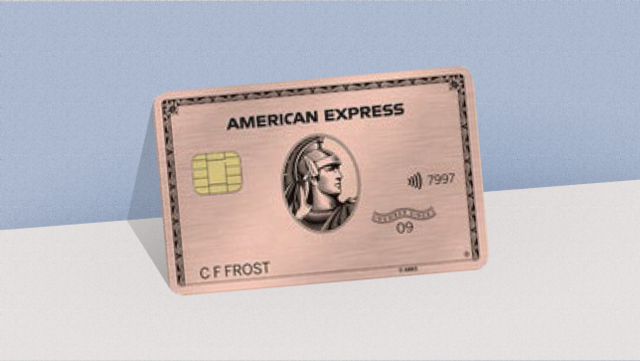
American Express® Gold Card
The American Express® Gold Card can be very rewarding for those who frequently dine out or order delivery.
How Do Restaurant Rewards Credit Cards Work?
Rewards credit cards are structured to maximize value on specific categories of spending. Just as grocery cards offer higher rewards on food shopping and gas cards offer bonuses at the pump, restaurant credit cards maximize earnings when you spend money at dining establishments. Typically, these cards award between 1 and 5 points per dollar spent (often referred to as 1x to 5x points) or offer a 1% to 5% cash-back rate on dining purchases.
Accumulated rewards can generally be redeemed as statement credits to offset specific purchases or reduce your overall account balance. However, these redemptions cannot be used to cover your card’s monthly minimum payment, meaning you must continue managing your monthly balance. Additionally, some credit card issuers enforce minimum rewards thresholds before you are allowed to redeem your earnings.
Beyond standard point accumulation, dining credit cards frequently include secondary benefits. These range from recurring statement credits for popular food delivery services to substantial welcome bonuses that can effectively pay for your next few meals.
The Pros and Cons of Dining Credit Cards
✅ Pros:
- Earn elevated rewards on an expense you likely pay for regularly.
- Access premium perks, such as monthly or annual credits for major food delivery services.
- Convert your accrued points or cash back into additional dining experiences.
❌ Cons:
- Earning rewards can inadvertently incentivize you to overspend on dining.
- Carrying a balance month-to-month incurs interest charges that can quickly erase your rewards.
What Actually Qualifies as “Dining” Under Card Issuer Rules?
The dining category is surprisingly broad, but the exact definition depends entirely on the credit card issuer. For instance, Chase defines eligible restaurant and dining rewards as transactions made at merchants whose “primary business is sit-down or eat-in dining, including fast food restaurants and fine dining establishments.” In contrast, Capital One defines its dining category more simply, covering “purchases at restaurants, cafes, bars, lounges, fast-food chains and bakeries.”
Issuers rely heavily on Merchant Category Codes (MCCs), which are four-digit numbers assigned by payment networks to classify a merchant’s primary line of business. Chase, for example, typically excludes food and beverage purchases made inside sports stadiums, hotels, casinos, theme parks, department stores, and grocery stores—unless the specific merchant has configured its payment terminal to code as a restaurant.
Because eligibility rules vary, you should consult your card issuer’s terms and conditions before applying to ensure your favorite local spots qualify for bonus rewards.
Do Delivery and Takeout Purchases Earn Points?
In most cases, you will earn dining rewards when ordering food to your home. Ordering a delivery order from a local pizzeria, for example, typically triggers the same dining bonus as sitting down to eat inside the restaurant.
Takeout purchases almost always qualify for the restaurant rewards rate across all major issuers, provided you pay directly at an eligible establishment. Card networks cannot distinguish whether you ate your meal at a table or took it home in a bag.
However, transaction coding remains the deciding factor. If a delivery transaction is coded as a standard restaurant purchase, it will qualify for rewards. If the merchant codes the purchase differently, you may only earn the card’s base rate of 1% or 1x points.
For example, buying a coffee at a Starbucks located inside a Target department store may not earn dining rewards, as the transaction is often coded as a Target retail purchase rather than a dining purchase.
Fortunately, many premier dining cards explicitly classify popular third-party delivery services like DoorDash and Grubhub as eligible dining purchases, and some even offer specialized statement credits or free delivery subscriptions for these platforms.
Are Rewards Identical Across All Restaurant Cards?
While the top dining credit cards all offer elevated rewards on food purchases, their specific earning rates and redemption structures vary significantly.
Before applying for a new card, compare the broader suite of benefits. Assess the value of secondary reward categories, annual fees, and redemption flexibility. Certain cards are tailored heavily toward travel; for example, American Express and Chase allow cardholders to transfer points to airline and hotel loyalty programs, which can significantly increase the overall value of your points.
Strategic Ways to Maximize Your Dining Rewards
Dining credit cards deliver the most value to individuals who already spend a significant portion of their monthly budget at restaurants and on takeout. To maximize your returns, consider the following strategies:
- Use your cards strategically: Always pay for meals and takeout orders with the specific card in your wallet that offers the highest multiplier for dining.
- Link your cards to food delivery apps: Set your dining rewards card as the default payment method on apps like DoorDash, Uber Eats, and individual restaurant platforms. You can also register your card with airline dining programs to earn extra frequent flyer miles.
- Pick up the tab for group dinners: Volunteer to pay the entire bill on your rewards card when dining with friends or family, then have them reimburse you directly via cash or transfer apps like Venmo or Zelle.
Avoid overspending simply to accumulate points. If you carry a balance and pay monthly interest, the financing charges will quickly outweigh the financial value of any rewards you earn.
Choosing the Best Dining Card for Your Wallet
Selecting the right credit card depends on your personal budget, financial habits, and credit profile.
Review your monthly spending patterns before choosing a card. If you spend heavily on dining, paying an annual fee can be highly profitable if the card’s perks and elevated reward rates outweigh the annual cost. If your budget is split across multiple categories like groceries and travel, look for a card that offers balanced multipliers across all of those areas.
Additionally, evaluate the value of the introductory welcome bonus. These promotions can provide hundreds of dollars in statement credits or points during your first year of card ownership after meeting a minimum spending requirement.
Finally, ensure your credit score meets the recommended requirements for the card. Maintaining positive credit habits, such as paying your balance in full and making on-time payments, will help you qualify for the most competitive cards on the market.
Frequently Asked Questions (FAQs)
How do restaurants process tips on credit cards?
When you dine out, the restaurant typically runs your card for the cost of the meal first. You then write in the tip amount on the receipt. Before the restaurant batches its transactions for the night, the pending charge is modified to include the tip. You may see the pre-tip amount pending on your bank account for a few days until the final adjusted transaction is fully processed by your issuer.
Can I get cash back if I purchase restaurant gift cards?
Rules regarding gift card purchases vary by issuer. Some cards award dining rewards on gift cards, while others exclude them. This depends on how the merchant codes the transaction. If a gift card purchase is coded separately from food and beverage sales, it may only earn the standard 1% base rate. Review your card’s terms and conditions for specific restrictions.
Can you earn rewards at bars with restaurant and dining cards?
Earning rewards at bars depends on the issuer’s specific classification rules. While many cards group bars, lounges, and taverns under the dining umbrella, some restrict elevated rewards strictly to traditional restaurants. Some cards will award points at bars only if the establishment also serves food, while others offer bonuses at all drinking establishments regardless of their menu.