

Palo Alto-based cybersecurity startup Glow, founded by former Meta and Snowflake executives, officially emerged from stealth on Wednesday as a unicorn after securing $180 million in Series A funding to protect enterprise endpoints from sophisticated artificial intelligence threats.
A heavily backed unicorn tackling modern cyber threats
The all-equity funding round values the California-headquartered firm at $1.2 billion, making Glow one of the latest cybersecurity players to achieve unicorn status before publicly disclosing any revenue metrics. The investment was led by Sequoia Capital, Cyberstarts, Greenoaks, and Redpoint Ventures, with additional participation from Index Ventures, Swish Ventures, Lux Capital, Operator Collective, and Holly Ventures.
The growing threat of AI-assisted cyberattacks
As businesses rapidly deploy generative AI tools, malicious actors are simultaneously using the technology to automate phishing campaigns, write malware, and execute highly sophisticated cyberattacks. This double-edged sword has forced organisations to completely rethink how they secure endpoints, which range from employee laptops to servers and connected devices. These concerns have intensified following the release of Anthropic’s Mythos AI model, which demonstrated advanced capabilities in identifying and exploiting software vulnerabilities, sparking a global debate over AI-assisted threats. Glow is betting that this paradigm shift requires an entirely new defensive strategy.
An AI-native approach to endpoint protection
Established in 2025, Glow is developing a specialised endpoint security platform designed to help enterprises monitor and control the software, developer tools, and AI agents operating on employee hardware. The platform deploys autonomous AI agents to continuously map corporate environments, evaluate security risks in real time, and enforce strict safety policies.
“If you think of the past decade, everything was moving to the cloud and SaaS. Suddenly, AI lands on the endpoint in a way we’ve never seen,” explained co-founder and chief executive Roi Tiger in an interview.
Elite leadership driving rapid adoption
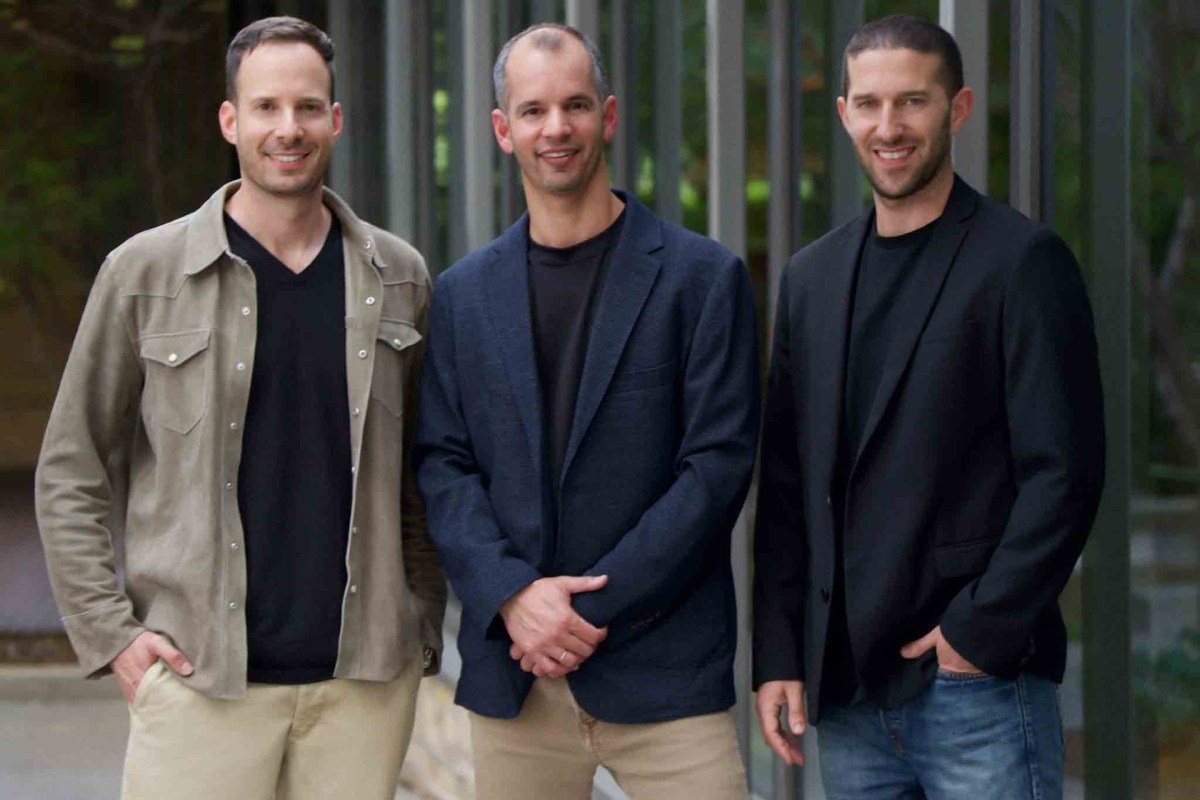
Tiger, who previously served as vice president of engineering at Meta, co-founded the venture alongside Omer Singer, former head of cybersecurity strategy at Snowflake; Ophir Arie, former vice president of research and development at Claroty; and Arnon Joseph, a former engineering leader at Meta. The executive team is bolstered by chief operating officer Emily Heath, a former chief information security officer at United Airlines and Docusign, who also served on the board of Wiz during its $32 billion acquisition talks with Google and was previously a partner at Cyberstarts.
Despite operating in stealth until now, Glow has already secured paying clients across the healthcare, retail, and financial services sectors. While the company declined to share specific customer names or financial figures, Tiger confirmed that typical deployments already protect tens of thousands of employee devices across global organisations.
Challenging cybersecurity giants in a crowded market
To power its defensive capabilities, Glow integrates AI models from Anthropic and Google’s Gemini via Amazon Bedrock. The startup builds proprietary software on top of these models to provide them with deep enterprise context, significantly improving their reliability for critical security tasks.
According to Tiger, the platform has already proven its worth by blocking malicious npm packages (third-party software components used in application development) from entering customer environments. It has also successfully flagged rogue AI agents attempting to download unauthorised software and detected employee devices where traditional endpoint detection and response (EDR) tools were either missing or compromised.
Glow enters a highly competitive market currently dominated by established giants like CrowdStrike, Microsoft, SentinelOne, and Palo Alto Networks. However, Tiger argues that legacy EDR solutions focus too heavily on detecting threats after a breach has occurred. In contrast, Glow aims to prevent risky software, unvetted AI agents, and dangerous developer tools from entering the enterprise environment in the first place.
The startup currently employs nearly 100 people, with approximately 70% of its workforce based in Israel and the remainder in the United States. Whether AI-native endpoint security will establish itself as a completely distinct software category remains to be seen, as businesses only begin to navigate the complex security implications of next-generation AI models.