


Chase is ending its massive 100,000-point welcome bonus for the Chase Sapphire Preferred® Card on May 15, giving applicants just six days left to secure up to $1,250 in travel value before the offer disappears.

The Chase Sapphire Preferred has a limited-time welcome bonus that can help you save on travel this year.
Viva Tung/CNET
This marks the first time in nearly four years that this highly sought-after 100,000-point promotion has been available. To secure the bonus, cardholders must spend $5,000 on purchases within the first three months of account opening. Under normal circumstances, this card offers a 60,000-point bonus for a $4,000 spend requirement. While the promotional offer demands an additional $1,000 in spend, the substantial increase in reward points makes it a highly lucrative opportunity for those who can reach the threshold through standard monthly expenses.
How to Maximize the 100,000-Point Chase Sapphire Preferred Bonus
When redeemed directly through the Chase Travel portal, Ultimate Rewards points carry a 25% redemption boost, valuing them at 1.25 cents per point. This elevates the 100,000-point bonus to a cash equivalent of $1,250 toward travel expenses—representing a $500 increase over the standard introductory offer. Cardholders can utilize these points to book flights, hotel stays, rental cars, and cruises directly through the portal.
Beyond the portal, cardholders can often extract even higher value by utilizing Chase’s 1:1 transfer partners. Transferring points to partner airline and hotel loyalty programs frequently yields superior redemption rates. For those without immediate travel plans, alternative redemption options exist, though at a lower valuation. Points can be redeemed for statement credits at a flat rate of one cent per point, translating the bonus into $1,000 in cash back to reduce the card balance.
Additionally, the Chase “Pay Yourself Back” program permits cardholders to redeem points at a rate of 1.25 cents each for statement credits against purchases in select categories, though this elevated rate is currently restricted to donations made to eligible charities.
Evaluating the Long-Term Value of the Sapphire Preferred
When deciding whether to apply before the May 15 deadline, prospective cardholders should evaluate the card’s ongoing features. Welcome bonuses are one-time incentives, meaning the card must deliver sufficient long-term value to justify its $95 annual fee.
The Chase Sapphire Preferred remains a highly competitive mid-tier travel card due to its robust suite of travel protections, including comprehensive trip cancellation and interruption insurance. These built-in benefits can generate significant savings on flights and accommodations over time.
Crucially, consumers should avoid carrying a balance to secure credit card rewards. With average credit card interest rates exceeding 20%, any financial benefit gained from the 100,000-point welcome bonus will be rapidly erased by interest charges.
Alternative Card Options for Everyday Spending
If a dedicated travel rewards card does not align with your financial habits, a cash-back card focused on daily household expenses may serve as a better alternative.
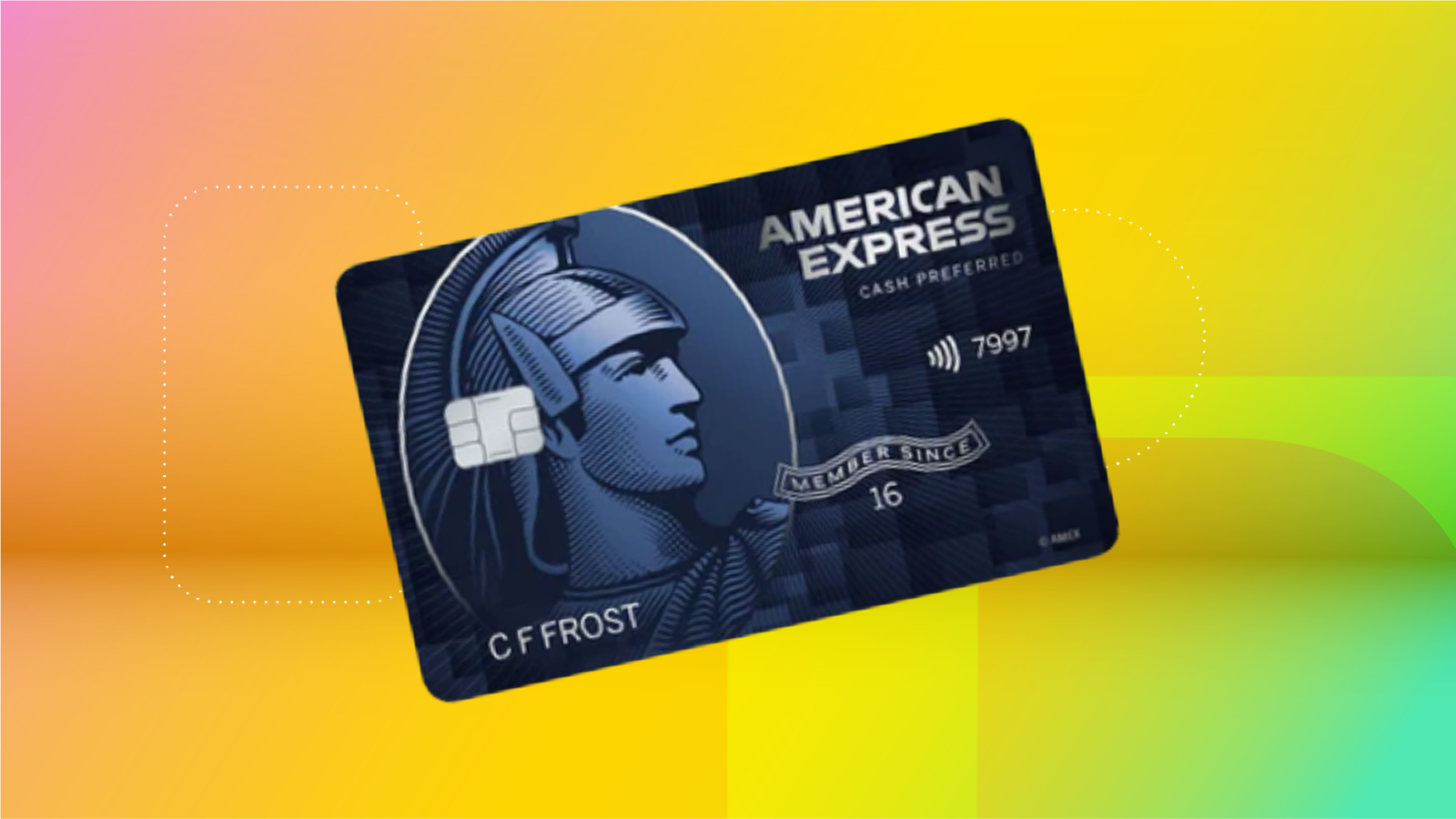
American Express/CNET
Blue Cash Preferred® Card from American Express
The Blue Cash Preferred® Card from American Express prioritizes everyday categories, offering 6% cash back at U.S. supermarkets on up to $6,000 in annual purchases (then 1%), alongside 6% cash back on select U.S. streaming subscriptions. Earned cash back is distributed as Reward Dollars, which can be redeemed for statement credits or used during checkout at Amazon.com. (see rates and fees)
Terms apply to American Express benefits and offers. Enrollment may be required for select American Express benefits and offers. Visit americanexpress.com to learn more.
For rates and fees of the Blue Cash Preferred Card from American Express, click here.
*All information about the Chase Sapphire Preferred Card has been collected independently and has not been reviewed by the issuer.
Correction: An earlier version of this article misstated the spending threshold required to earn the bonus. The correct requirement is $5,000 within the first three months of account opening.