

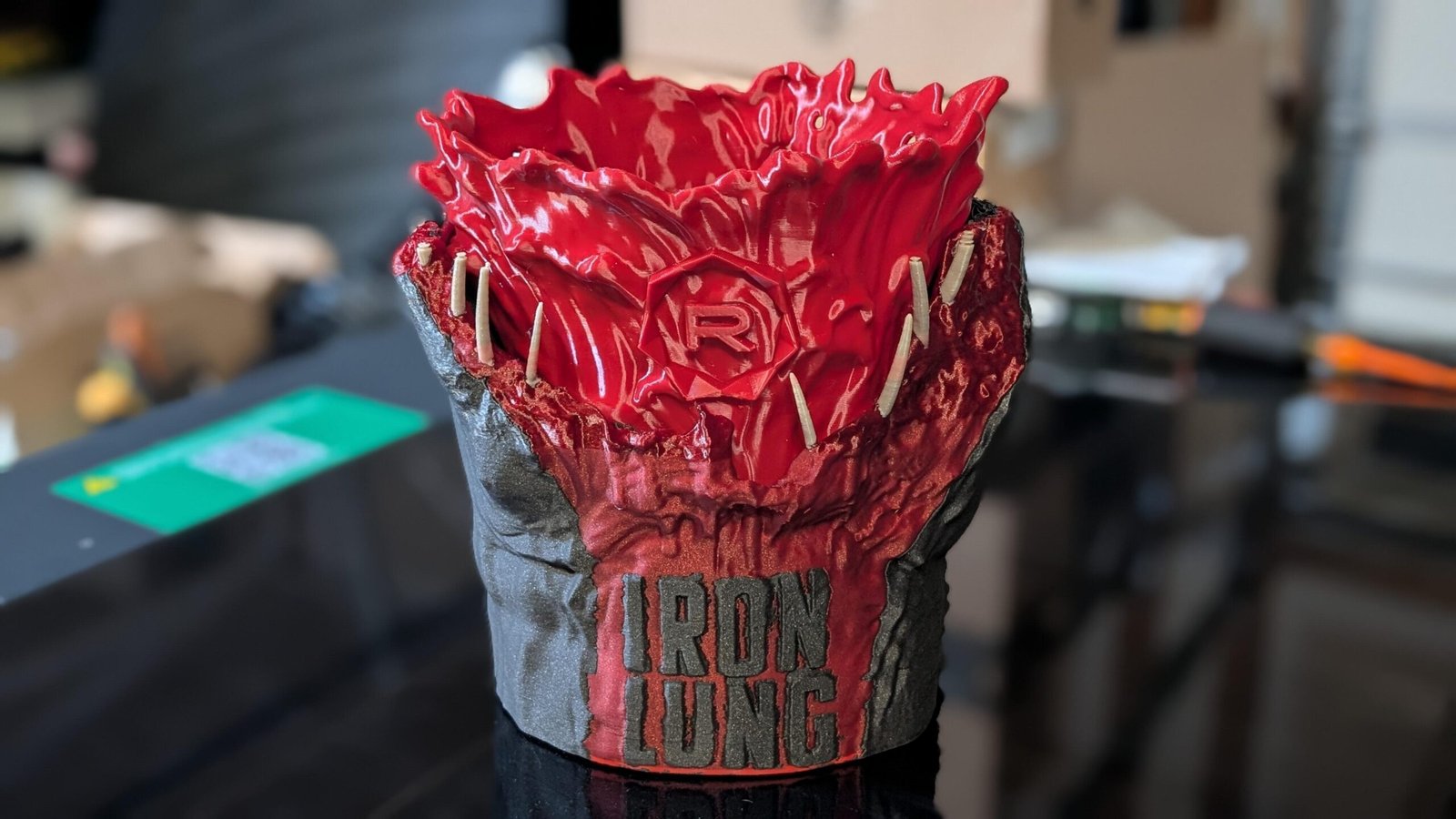
Moviegoers planning to bring their custom 3D-printed Iron Lung buckets to Regal Cinemas during opening weekend for free popcorn should reconsider due to serious food safety and printing issues.
The Rise of Custom Cinema Collectibles
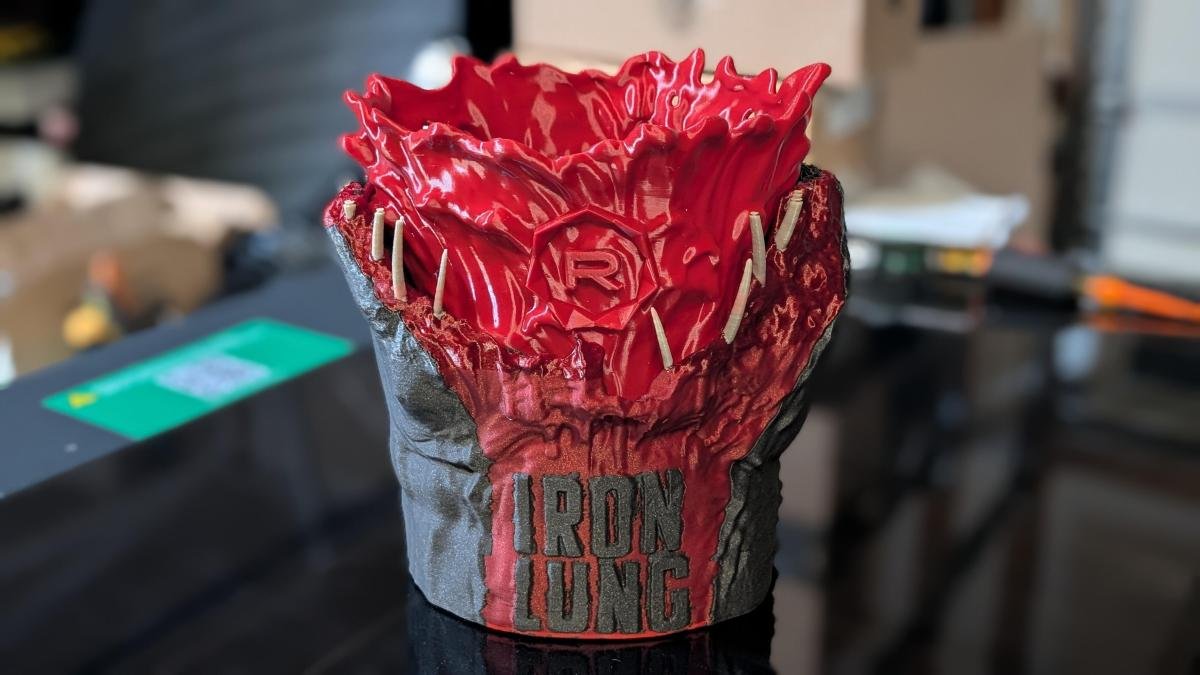
Themed popcorn buckets have transitioned from exclusive theme park novelties to mainstream movie theater sensations. Iconic designs like the infamous Dune sandworm bucket and the self-aware Deadpool & Wolverine collectible have set a massive trend. While major blockbusters easily secure national promotional merchandise, smaller releases often lack the budget for wide-scale physical rollouts. To bridge this gap for the upcoming Markiplier-directed horror film Iron Lung, a unique collaboration with Regal Cinemas allows fans to 3D-print their own highly detailed bucket at home and bring it directly to the theater.
The promotion is straightforward: walk into a theater carrying this custom creation during opening weekend, and you will receive free popcorn. However, despite the excitement surrounding this interactive campaign, several critical factors demand caution before you fill this terrifying container with snacks.
Why 3D-Printed Plastic Isn’t Safe for Food
This initiative is an excellent way to engage a tech-savvy audience like Markiplier’s, who are highly likely to own or have access to 3D printers. It represents an exciting new frontier for fan-driven movie merchandise. But before this trend becomes standard, early adopters must navigate several safety challenges.
The primary concern lies in the printing materials. Most consumer 3D printers utilize Polylactic Acid (PLA), a biodegradable plastic derived from plant starches like cornstarch. While raw PLA is generally considered non-toxic at room temperature, the actual manufacturing process compromises its food-safe status. Mechanical components inside 3D printers require heavy lubrication, which inevitably transfers trace amounts of industrial chemicals to the plastic as it extrudes. Furthermore, painting the finished product introduces additional toxic compounds that should never come into contact with food.
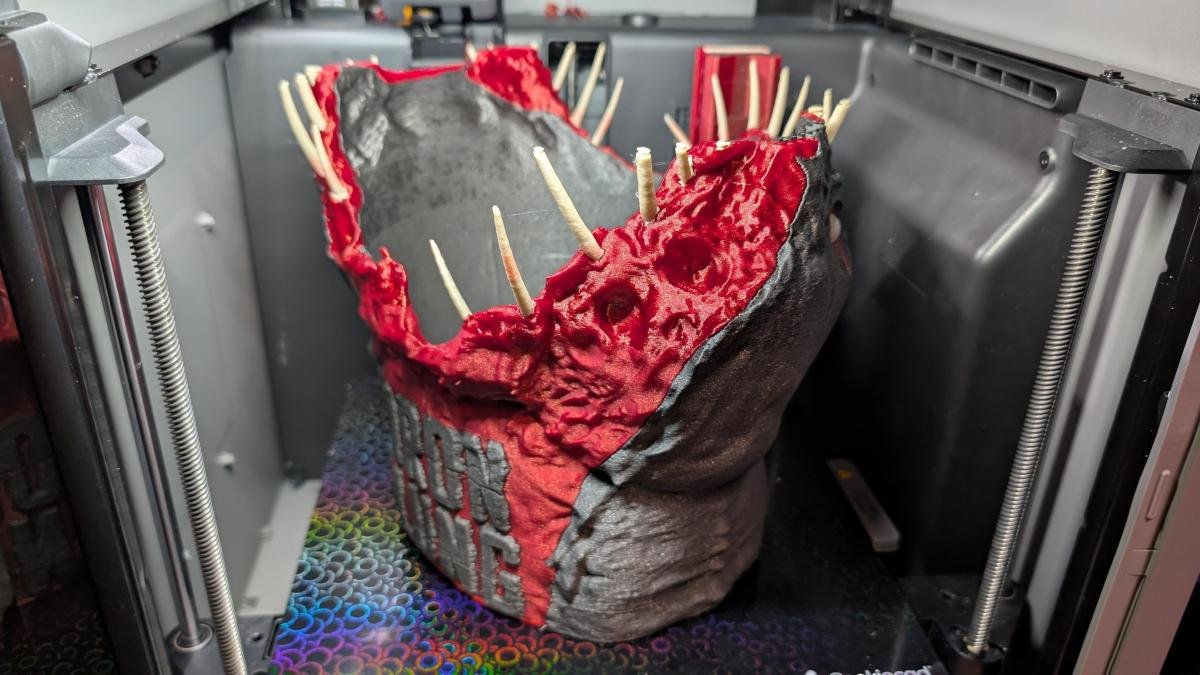
Printing can introduce non food safe materials into the plastic.
James Bricknell/CNET
Bacteria, Heat, and Melted Butter Risks
The physical structure of 3D-printed objects also presents a hygiene hazard. Because these objects are built layer by layer, the surface remains highly porous and filled with microscopic crevices. These tiny gaps easily trap food particles and moisture, turning the bucket into a breeding ground for harmful bacteria.
Attempting to wash the bucket introduces another set of problems. PLA begins to warp and soften at temperatures around 120°F (49°C), which is lower than the hot water flowing from standard American household faucets. Freshly dispensed theater butter can easily reach these temperatures. While the butter won’t melt the bucket entirely, the heat makes the plastic highly susceptible to harboring bacteria with subsequent uses. To mitigate these risks, hobbyists should print using Polyethylene Terephthalate Glycol (PETG) or coat the interior with a specialized barrier, such as this food-safe sealant from Krowne.
High Material Waste and Structural Flaws
Beyond health concerns, this specific model is surprisingly resource-heavy. The digital files, available for free on Thingiverse, divide the bucket into two distinct parts. Printing both halves requires nearly two full spools of filament, costing between $40 and $50. This high price tag dispels the common belief that 3D printing is always a cheaper alternative to buying official merchandise.
The design features a bottom piece decorated with teeth and Iron Lung branding, alongside a blood-splattered top half displaying the Regal logo. Crucially, the top component lacks a solid bottom. Because the files offer no guidance on how to secure the two halves, many users will likely resort to gluing them together. A more practical design would have incorporated a twist-lock mechanism or a dedicated bottom insert.
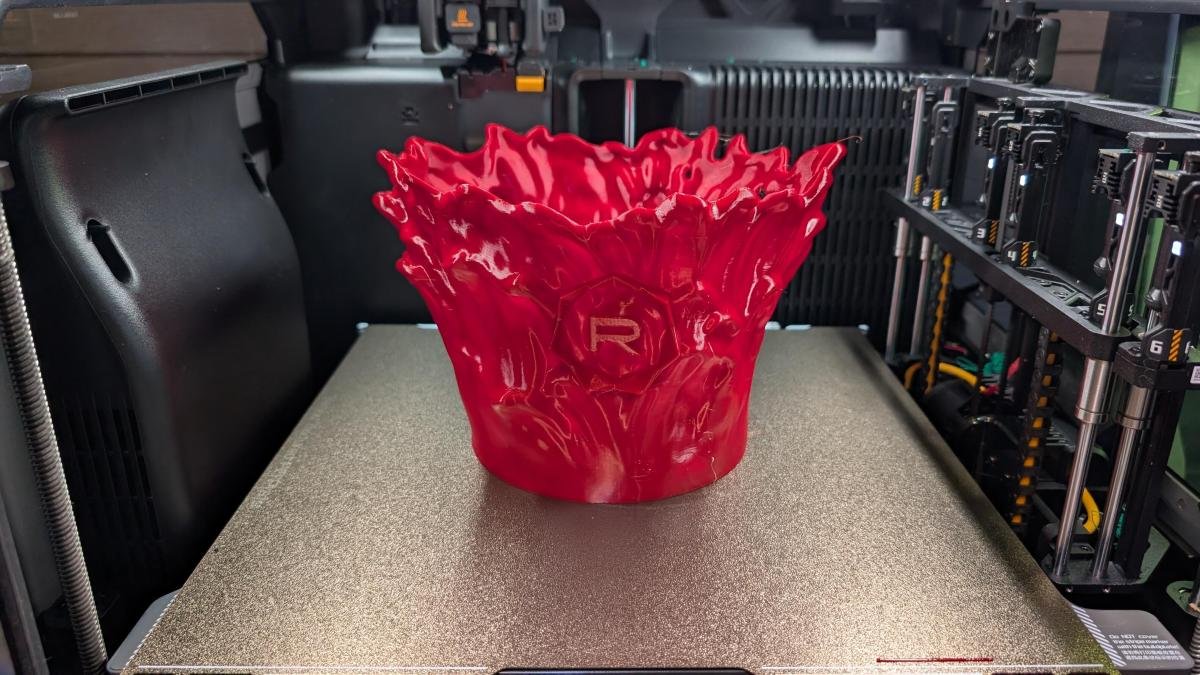
This inside piece has no bottom but looks a lot like blood.
James Bricknell/CNET
Complex Printing Supports and Plastic Waste
Both sections of the bucket require extensive support structures to print successfully. Depending on your slicing software and printer model, these supports can consume a significant amount of extra material. The intricate overhangs and thin decorative elements are not only expensive to support but are also highly fragile and prone to breaking during post-processing cleanup.
Designing the teeth as separate, snap-on pieces would have saved substantial print time and minimized frustration. Additionally, users attempting to print the bucket in multiple colors using a single-extruder setup will face massive plastic waste due to frequent color changes. Hand-painting the bucket is an alternative, though it is incredibly time-consuming and introduces the aforementioned chemical safety risks.
The Future of Fan-Driven Movie Merchandise
Whether you choose to build a highly detailed prop or simply want a quick vessel for free popcorn, this promotion offers a unique theatrical experience. As film distributors explore novel ways to build community engagement for indie projects without massive marketing budgets, addressing these early manufacturing and safety hurdles will be key to making future campaigns a success.