

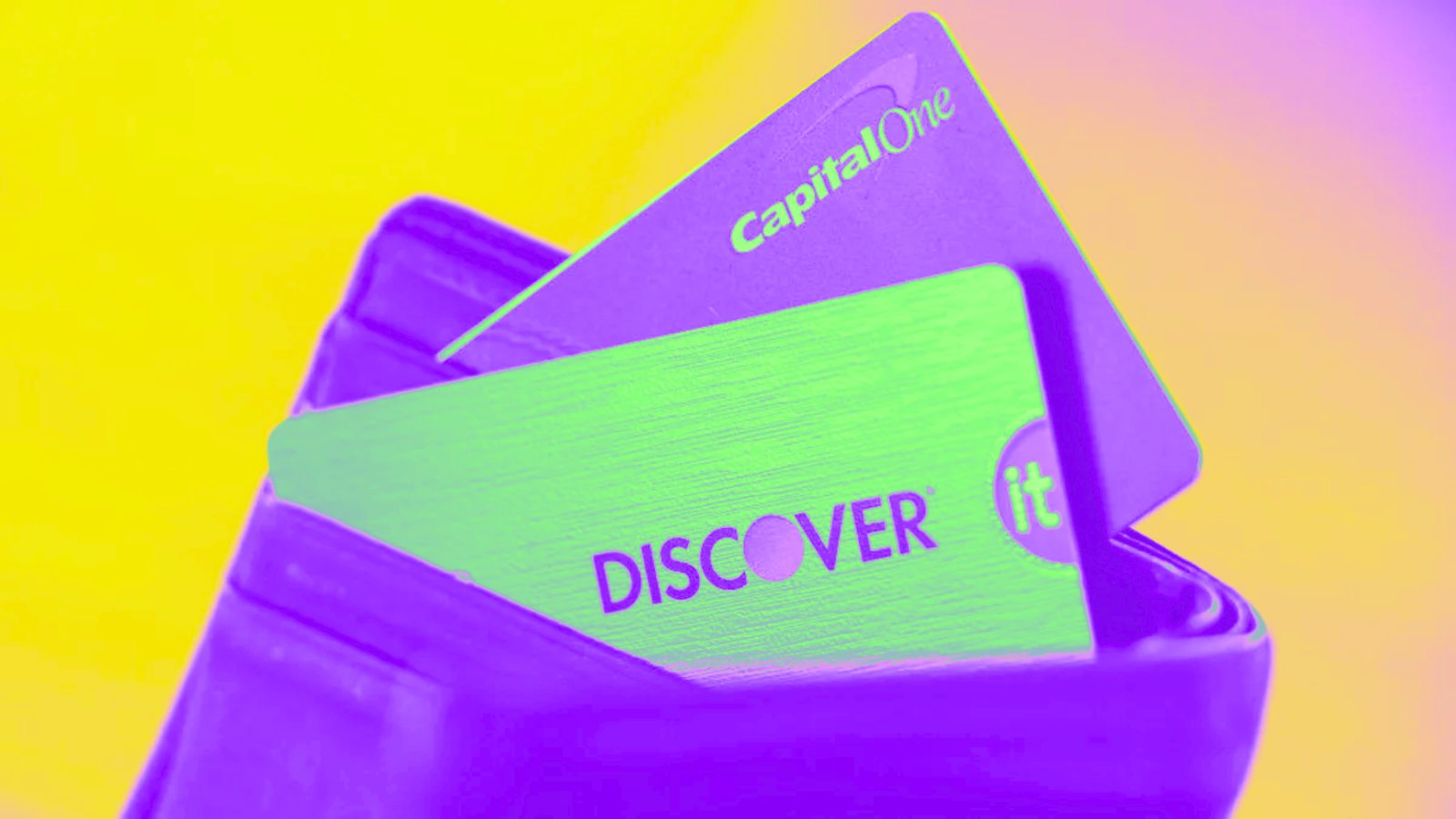
Capital One officially closed its massive $35 billion acquisition of Discover on May 18, initiating a major consolidation of the U.S. credit card market that leaves millions of cardholders wondering how their accounts, rewards, and fees will change. The transaction, which was first announced in February 2024, unites one of the nation’s largest card issuers with one of its primary payment networks.
How the Capital One-Discover Merger Reshapes the Credit Card Industry
While the deal is finalized, cardholders will not experience any immediate disruptions to their daily transactions. Capital One has clarified that its existing credit cards will continue operating on the Visa and Mastercard networks for the foreseeable future, though long-term adjustments remain on the table. Meanwhile, the financial sector is highly divided on whether this massive consolidation will benefit everyday consumers.
As the third-largest credit card company in the United States, Capital One’s absorption of Discover—one of only four major payment networks alongside Visa, Mastercard, and American Express—has raised antitrust concerns. Some financial analysts warn that reduced competition could lead to higher interest rates and increased costs for cardholders. Conversely, proponents argue the merger provides Discover with the substantial capital required to challenge the dominant Visa and Mastercard duopoly. A more competitive network could eventually drive down merchant swipe fees, potentially translating to lower retail prices for consumers.
What the Capital One and Discover Merger Means for Your Cards
Immediate and Future Impacts for Capital One Cardholders
According to an FAQ Capital One shared regarding the integration, the issuer plans to inject significant funding into expanding and strengthening Discover’s payment network. Currently, Discover suffers from lower international merchant acceptance compared to Visa and Mastercard. While your Capital One cards may transition to the Discover network in the future—which could alter your rewards structure, perks, and where you can use your card—such a transition is not imminent.
In an April news release, Capital One reassured customers that no immediate changes are taking place. The bank committed to notifying all cardholders well in advance of any structural updates to their accounts, meaning users should keep a close eye on official bank communications.
What Discover Cardholders Need to Know Right Now
Discover recently reached out to its customer base via email to confirm that their accounts are now officially under the Capital One umbrella. This communication clarified that users can continue to access their accounts via Discover.com without disruption. For the time being, all cash-back rewards, miles, account numbers, and card benefits will remain completely unchanged.
The sole administrative update currently taking effect involves the cardholder agreement. This legal contract has been revised to reflect that your credit agreement is now held with Capital One rather than Discover.
The Long-Term Outlook for Your Wallet
Historically, both institutions have maintained strong reputations for customer care. In JD Power’s annual customer satisfaction study, both Discover and Capital One consistently secure top rankings, suggesting that customer service standards are unlikely to decline post-merger. While future product alignments, card mergers, or reward adjustments remain possible, these scenarios are currently speculative.
Existing Capital One and Discover cardholders do not need to take any action. Your credit cards will continue to function normally, and any future updates will be fully disclosed by the issuer before they are implemented.